

India is one of the few places on earth where history refuses to stay buried. As I traveled across the country, I felt as if every step brought me closer to an ancient echo—ruins whispered through dusty winds, forgotten capitals slept beneath crowded modern streets, and lost civilizations revealed themselves in the quiet patterns of pottery, stone, and myth. Exploring india travel history is not just about temples or palaces; it is an experience of peeling back layers of time, discovering how each empire left a fingerprint on the soul of the subcontinent.
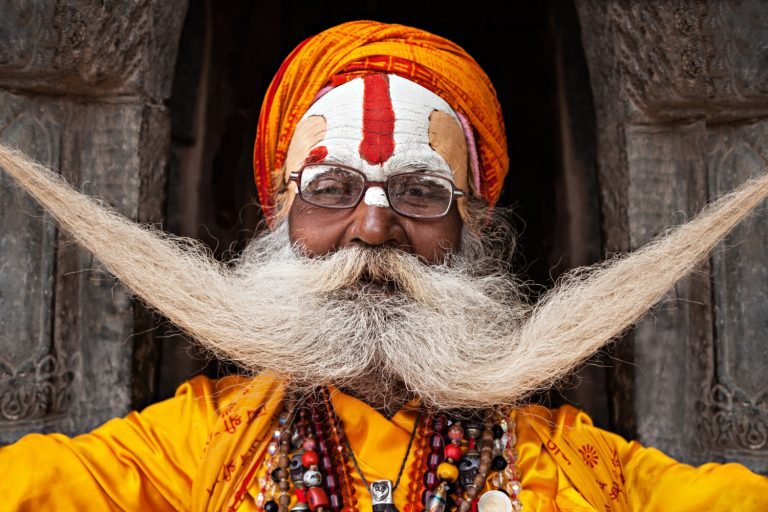
My journey began in the northwest, tracing the ghostly trail of the Indus Valley Civilization. Standing in the heat of Mohenjo-daro and Harappa, I realized how advanced ancient India truly was—cities built with grid layouts, drainage systems millions of tourists never hear about, and craftsmanship so precise it rivals modern engineering. These ruins feel lonely today, surrounded by plains and silence, but once, they were the heartbeat of the ancient world. Traveling there, you sense a haunting stillness, as though the city is waiting for someone to remember it existed.
Moving south and east, the story grows even more complex. Ancient India was not defined by a single civilization but by dozens of kingdoms rising and falling across thousands of years. Many people outside India know the Mughal Empire or the Mauryas, yet few know of the forgotten capitals buried under farmland, the lost port cities consumed by the sea, or the tribal kingdoms whose stories remain in songs, not textbooks. Walking through these places feels like stepping through hidden chapters of history—like Vijayanagara’s ruins scattered across Hampi, or the submerged temples of Mahabalipuram that only appear when tides recede. These remnants reveal a world once filled with traders, mathematicians, poets, monks, and soldiers who shaped Asia’s destiny long before Europe knew their names.
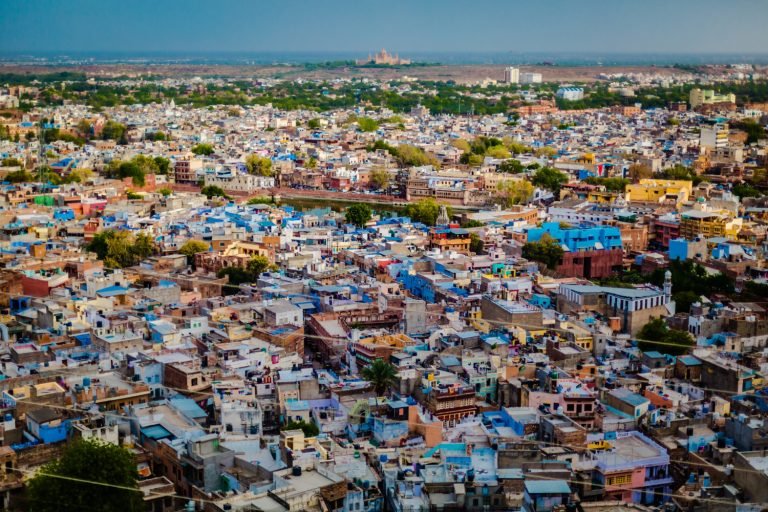
But India’s history is also shaped by war—silent witness to invasions, rebellions, and the struggle to resist colonial rule. Traveling through Delhi, I could see how many times the city had been destroyed and rebuilt. Every ruler left their mark: sultans carving their identity into sandstone mosques, Mughal emperors building gardens inspired by Persia, British architects imposing Victorian structure on Indian soil. Delhi is not one city; it is seven, layered on top of each other, each chapter written in the shadow of conflict and renewal. As I explored old forts, broken gates, and battlefield plains, I began to understand how war shaped the landscape as much as any river or mountain.
Yet despite centuries of upheaval, India’s cultural memory is remarkably resilient. Ancient rituals still echo in every festival; old epics like the Mahabharata and Ramayana still shape moral imagination; and the spiritual traditions born thousands of years ago still guide millions today. Walking along the Ganges at sunrise made me realize how deeply ancient India still exists in modern India—not as relics but as living practices woven into everyday life. The chants, the river, the offerings, the devotion… everything felt like a bridge between then and now.
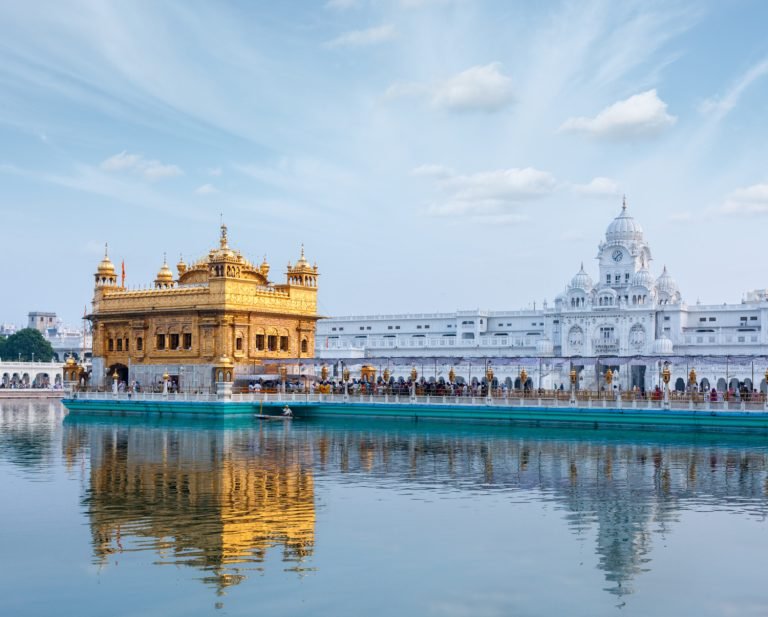
The most surprising part of exploring india travel history was discovering how many lost civilizations continue to sleep beneath modern cities. In places like Dwarka, archaeologists found underwater structures that may have belonged to ancient kingdoms once thought mythical. In Uttar Pradesh and Bihar, entire forgotten capitals lie beneath farmland, uncovered only when roads or railways are built. Even in Mumbai and Kolkata, colonial and pre-colonial remains still emerge during construction, reminding everyone that the ground itself is a palimpsest of civilizations layered over time.
India is not just old—it is timeless. Traveling through its ruins, markets, deserts, rivers, and mountain valleys, I realized the country carries a heartbeat shaped by thousands of years of human imagination, conflict, beauty, and survival. This land once gave birth to mathematics, medicine, astronomy, literature, and spiritual philosophy that influenced half the world. And even today, the past continues to shape modern identity in ways both subtle and grand.
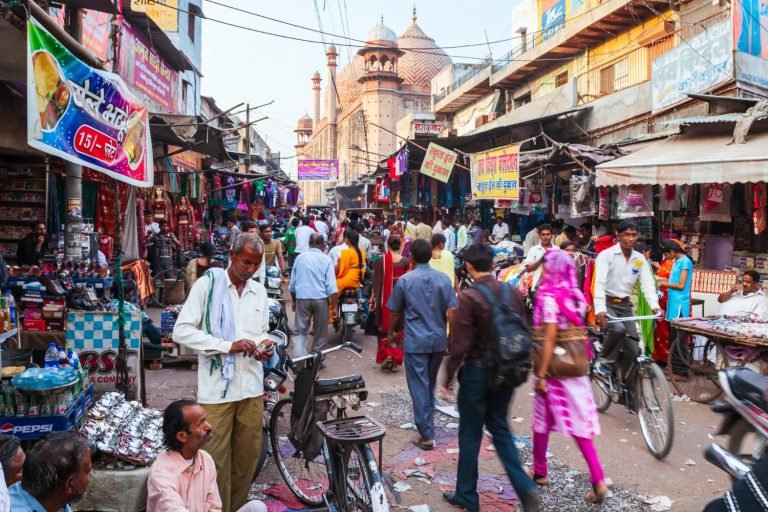
Every journey into India’s lost civilizations is a journey into humanity itself. It is impossible to walk among its ruins without feeling humbled by the knowledge that countless lives, stories, and dreams existed here long before us—and will continue long after we are gone. That is the power of India’s history: it never truly disappears. It only waits to be rediscovered by those willing to look beyond the surface.


Comment (0)