

Discover how Japanese occupation during World War II reshaped Indonesia and opened the path to independence, still visible across cities, landscapes, and travel today.
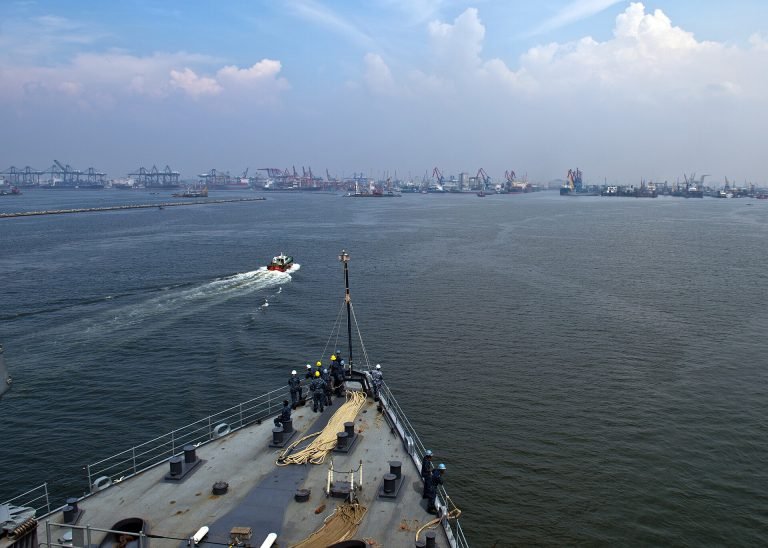
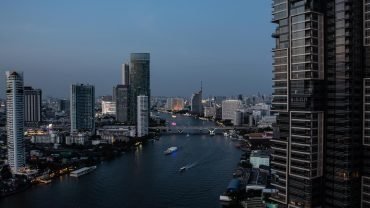
Cityscape linked to Indonesia’s 1945 battle
Before the war, Indonesia existed as a vast colonial possession rather than a nation. The Dutch East Indies were administered for extraction, not unity. Thousands of islands were governed through centralized control, with little intention of fostering a shared identity among the people who lived there. Local cultures remained strong, but political cohesion was limited by design.
When Japanese forces swept into Southeast Asia in early 1942, the collapse of Dutch authority was swift and absolute. Colonial power that had appeared permanent vanished within weeks. For Indonesians, this collapse was not liberation. It was disorientation.
Japanese occupation replaced distant colonial administration with direct, intrusive rule. Daily life became militarized. Civilians were mobilized, monitored, and disciplined. Resources were redirected toward the war effort. Food scarcity spread. Fear became routine.
Yet within this violence lay transformation.
The Japanese dismantled Dutch institutions that had kept Indonesians politically fragmented. They mobilized local leaders, trained youth organizations, and promoted anti-Western rhetoric. While these actions served Japanese wartime goals, they unintentionally created political infrastructure that Indonesians would later use for independence.
For ordinary people, occupation was brutal. Forced labor programs uprooted communities. Many never returned. Families adapted through silence and endurance. Suffering was widespread and unevenly remembered.
The war reached every corner of the archipelago.
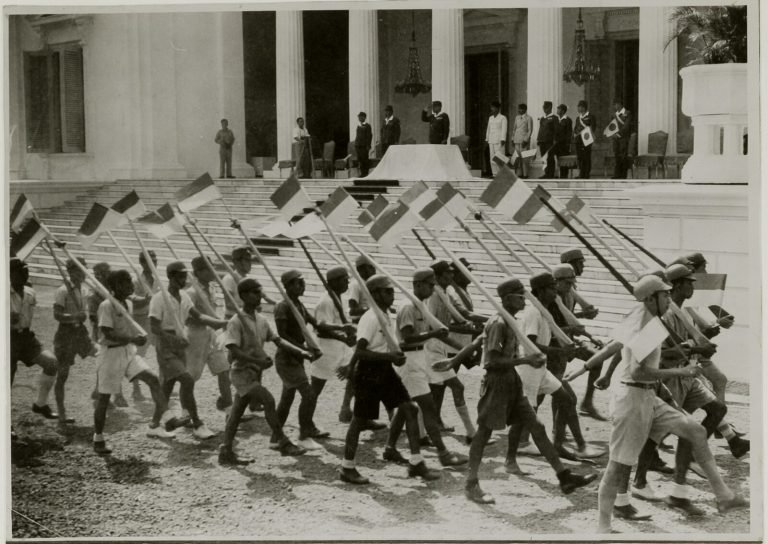
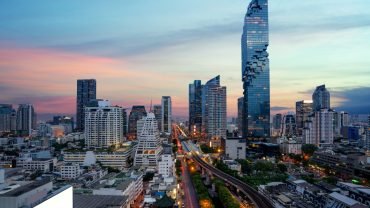
Japanese occupation legacy across Indonesia
Across Indonesia, ports, railways, plantations, and airfields became military assets. Islands once peripheral became strategic. Villages became labor pools. Cities became administrative centers of occupation.
In Jakarta, formerly Batavia, the colonial heart of Dutch power transformed into the center of wartime administration and later revolutionary planning. In Surabaya, violence and resistance culminated in battles that would become symbols of national struggle. In Yogyakarta, political leadership and revolutionary legitimacy took shape.
As the war turned against Japan, power fractured again. Japanese surrender in August 1945 created a vacuum. Into this space stepped Indonesian leaders who had been shaped, trained, and radicalized by occupation.
Independence was declared not because peace returned, but because authority collapsed.
The years that followed were chaotic. Fighting continued. Dutch attempts to reassert control met resistance that was now organized, ideologically committed, and supported by a population unwilling to return to colonial subjugation. War blurred into revolution.
Indonesia’s independence was forged not at a negotiating table, but through endurance shaped by wartime experience.
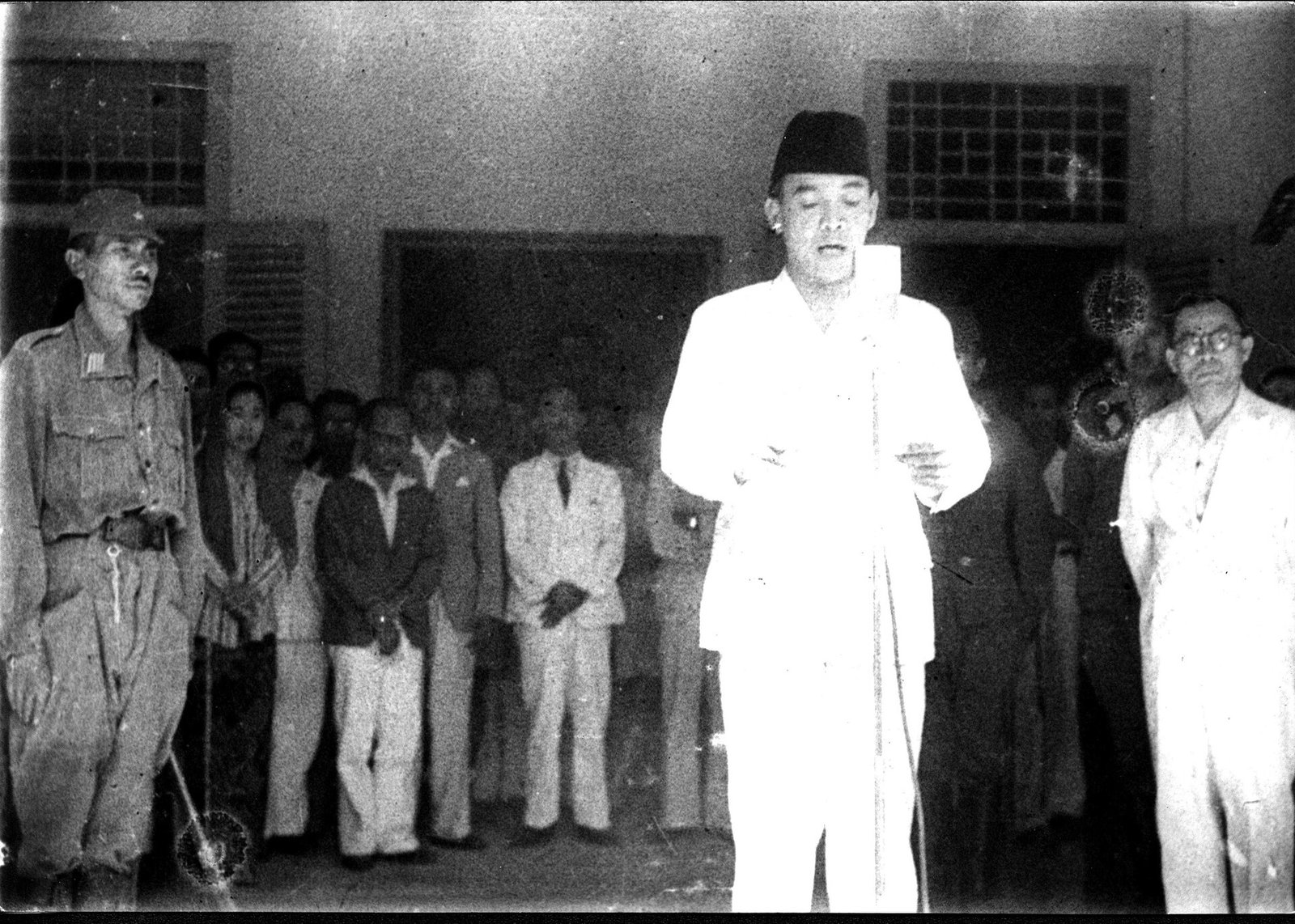
Yogyakarta as a center of Indonesian independence
This history explains why Indonesian war memory feels different from other nations. World War II is not remembered as a foreign conflict imposed from outside. It is remembered as the catalyst that allowed Indonesians to imagine themselves as a people with a shared future.
Yet public memory remains selective.
Post-independence narratives emphasized heroism and unity. Civilian suffering, forced labor, and internal divisions were often muted. Silence became a tool for nation-building.
Travelers moving through Indonesia today often encounter a country defined by diversity, culture, and natural beauty. What is less visible is how deeply war shaped the modern nation’s geography and identity.
Independence-era cities still carry this legacy.
Walking Jakarta reveals layers of colonial, occupation, and revolutionary planning beneath modern development. Surabaya’s streets echo with memory of resistance and sacrifice. Yogyakarta’s quiet authority reflects its role as a revolutionary capital.
These cities are not museums. They are living environments built on decisions made during crisis.
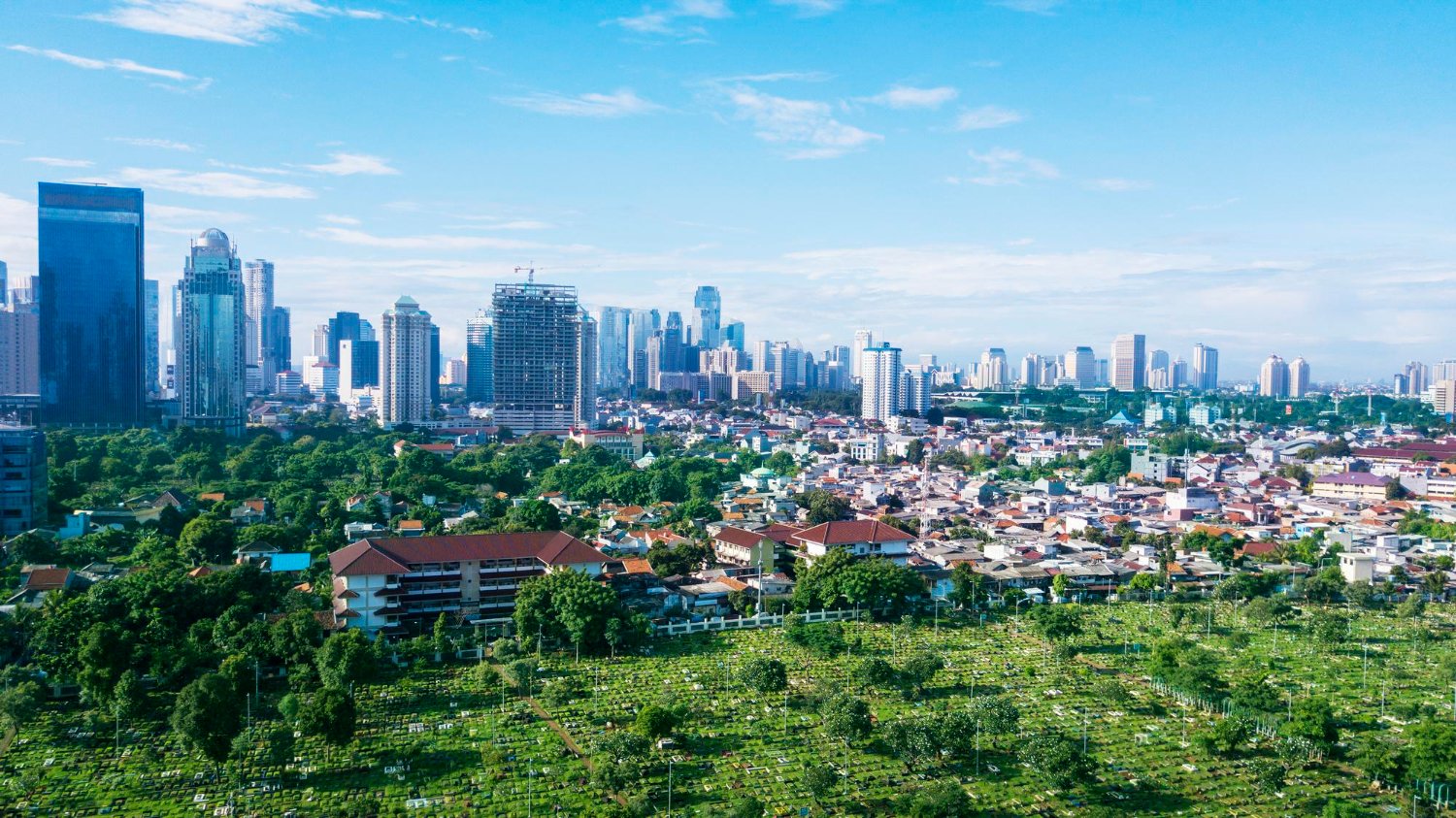
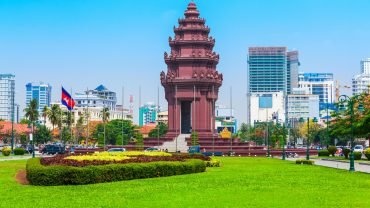
Urban landscapes shaped by World War II in Indonesia
Traveling Indonesia through independence-era cities offers a different lens. Beaches and temples remain stunning, but they exist alongside stories of mobilization, loss, and determination.
Understanding this history does not diminish travel. It deepens it.
Indonesia teaches that war does not always destroy nations. Sometimes it exposes the impossibility of continuing as before.
The door to independence opened not because war ended, but because empire collapsed.
And Indonesians walked through.
Indonesia’s beauty is inseparable from its struggle.
Its cities were shaped when war dismantled empire and opened a path forward.
Explore Indonesia through its independence-era cities,
and walk where history turned crisis into nationhood.
Comment (0)