

In the early twentieth century, Japan stood at a crossroads between fear and ambition. Surrounded by colonial empires and haunted by the memory of Western domination, Japan chose a path that would redefine its place in Asia and the world. In just a few decades, it built an empire stretching from the frozen plains of Manchuria to the tropical islands of the Pacific. This empire rose rapidly, governed millions, reshaped landscapes, and then collapsed almost overnight. Its disappearance did not erase its impact. The legacy of Japan’s lost empire continues to shape East Asia’s politics, memory, and identity.
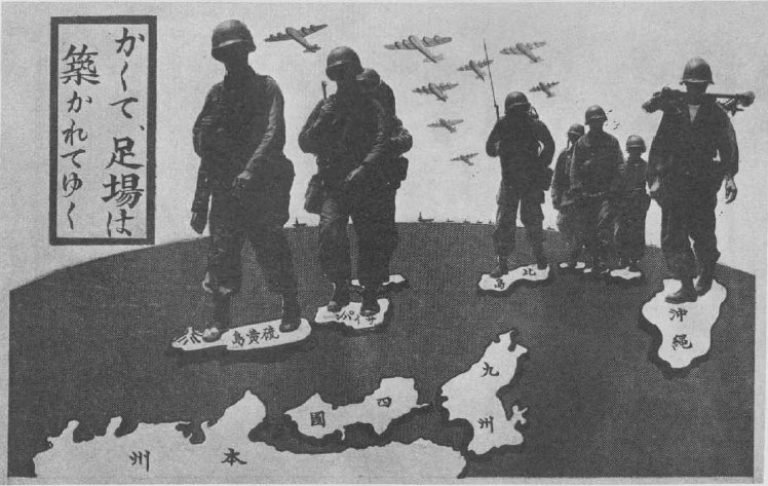
Japan’s transformation into an imperial power did not begin with conquest, but with survival. In the late nineteenth century, Japan witnessed the fate of its neighbors as Western powers carved Asia into colonies. The Meiji Restoration was not merely modernization. It was a defensive revolution. Japan adopted Western military, industrial, and administrative models to avoid becoming a colony itself. Yet modernization carried its own logic. Power demanded resources, security demanded buffers, and empire appeared to offer both.
Credit: “Image courtesy of the U.S. National Archives (NARA). Public Domain.”
The first major step in Japan’s imperial expansion was the victory over China and Russia at the turn of the century. These wars established Japan as Asia’s first modern imperial power and legitimized its claim to regional leadership. Korea was annexed, Taiwan became a colony, and Japan’s presence on the Asian mainland expanded. These territories were not only strategic prizes. They became testing grounds for imperial governance, economic extraction, and cultural assimilation.
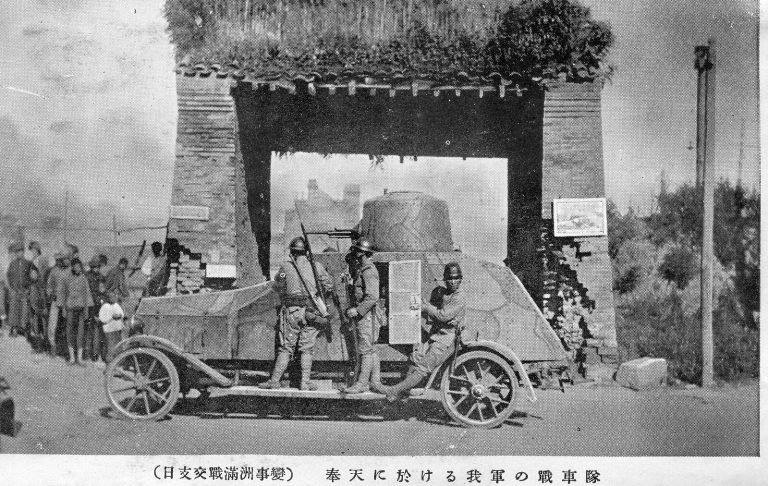
Manchuria marked a turning point. Rich in resources and strategically vital, Manchuria embodied Japan’s continental dream. The creation of Manchukuo was presented as liberation, modernization, and stability. In reality, it was a militarized colony built to serve Japan’s industrial and strategic needs. Railways, factories, and cities transformed the region, but sovereignty was an illusion. Manchuria became the heart of Japan’s imperial vision and the seed of its undoing.
The ideology behind Japan’s expansion blended nationalism, militarism, and a sense of historical mission. Japanese leaders framed empire as a natural extension of survival and destiny. Asia was portrayed as a family needing leadership. Resistance was framed as disorder. This worldview justified extraordinary violence while maintaining a moral narrative of progress. Empire was not presented as exploitation, but as responsibility.
Credit: “Image courtesy of the U.S. National Archives (NARA). Public Domain.”
Korea and Taiwan illustrate the contradictions of Japanese imperial rule. Infrastructure expanded, education systems were built, and economic integration increased. At the same time, cultural suppression, political repression, and forced assimilation eroded local autonomy. These territories reveal how empire functioned simultaneously as modernization and domination. For Japan, they were symbols of success. For local populations, they were spaces of loss and resistance.
Credit: “Image courtesy of the U.S. National Archives (NARA). Public Domain.”
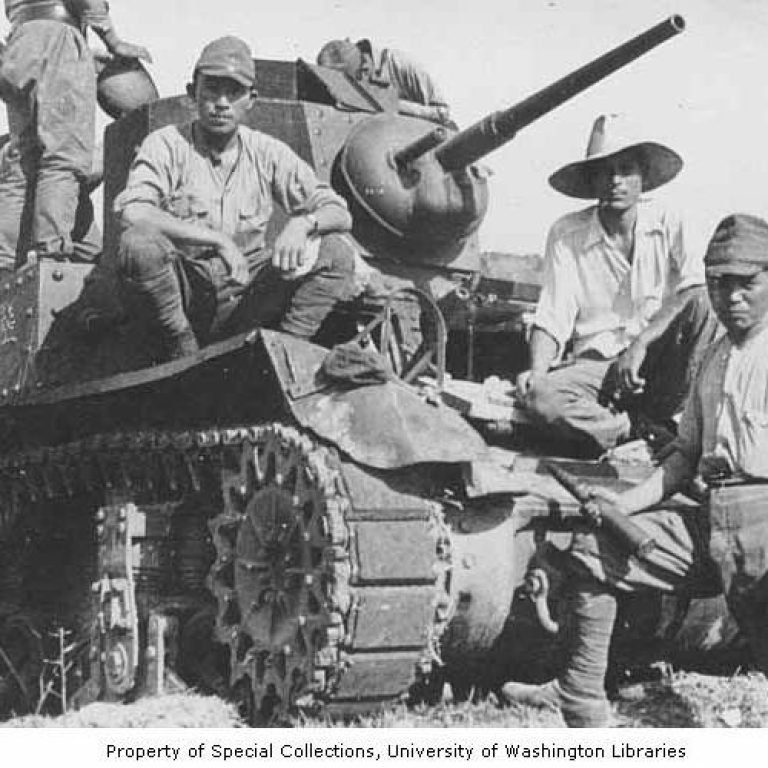
War in China exposed the limits of empire. What Japan envisioned as swift domination became prolonged conflict. Cities like Nanjing became symbols of imperial brutality and moral collapse. The war drained resources, hardened international opposition, and radicalized imperial policy. Japan’s empire expanded territorially but weakened structurally. Control required constant violence, and violence undermined legitimacy.
As war spread, Japan’s imperial vision shifted seaward. The Pacific islands became essential nodes in a maritime empire designed to secure resources and defend the homeland. Islands such as Saipan, Palau, and Truk Lagoon transformed into fortified outposts. Airstrips, naval bases, and garrisons turned remote landscapes into strategic battlegrounds.
Credit: “Image courtesy of the U.S. National Archives (NARA). Public Domain.”
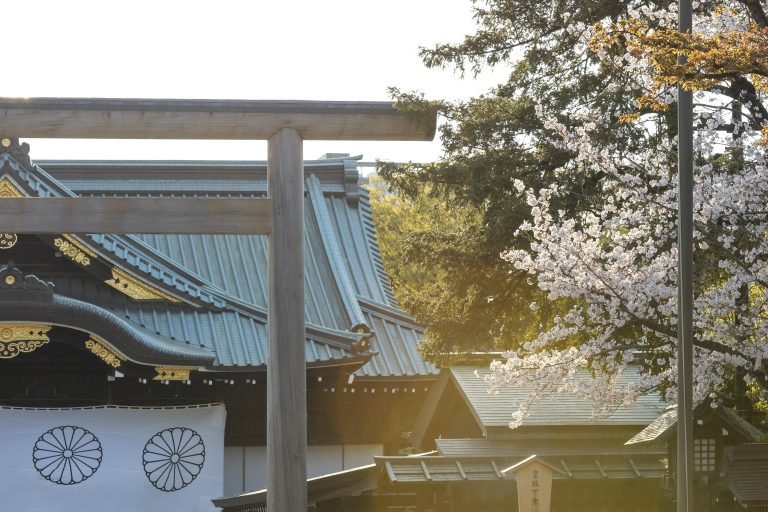
Traveling through the geography of Japan’s lost empire reveals its lingering presence. Railways in Northeast China, urban layouts in Taiwan, and wrecks in Pacific lagoons tell stories beyond textbooks. Sites like Yasukuni Shrine and museums across Asia reflect conflicting interpretations of empire and memory.
Understanding Japan’s lost empire matters because it explains modern East Asia. Borders, grievances, alliances, and identities trace back to imperial experience. The empire is gone, but its consequences are not. To understand Japan today, one must understand the empire it lost and the world it left behind.
Comment (0)