

When people hear the word kamikaze, they often imagine a lone Japanese aircraft plunging toward an Allied ship during the final phase of World War II. But the meaning of the word reaches far deeper than a dramatic act of self-sacrifice. Kamikaze translates to “divine wind,” a reference to the typhoons that protected Japan from Mongol invasions in the 13th century. By invoking this ancient symbol, wartime Japan transformed the act of self-destruction into a sanctified duty—an echo of destiny meant to defend the nation in its darkest hour.
The rise of kamikaze operations was not an isolated military tactic; it was born from cultural ideals, wartime desperation, and a society pushed to the psychological limits of total war.
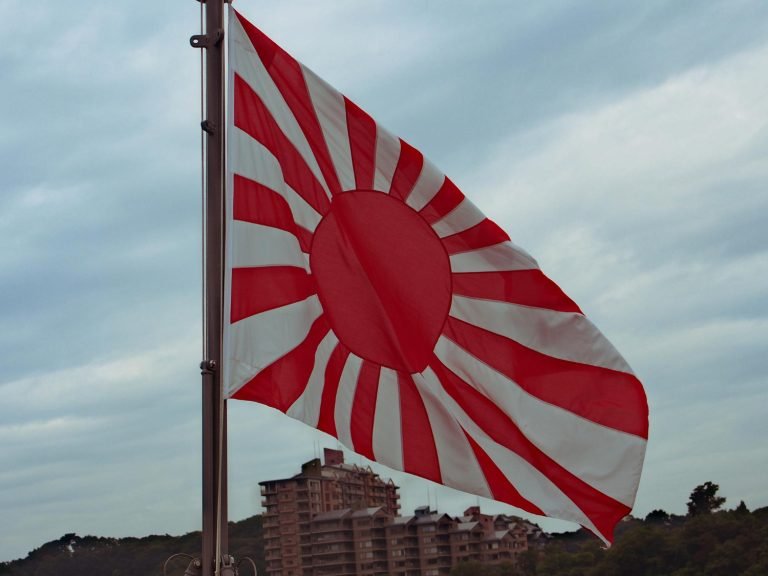
By 1944, Japan’s position in the Pacific War had become increasingly fragile. The United States dominated the skies, island strongholds were falling one by one, and resources were drained beyond recovery. Within military command circles, fear of inevitable defeat ignited a radical idea: using aircraft as one-way weapons.
To Japanese leaders, kamikaze offered a grim but hopeful calculation. A single pilot could potentially deliver more damage through a deliberate crash than through conventional air combat. To many in the West, it symbolized desperation. But within Japan, the operation was framed as an honorable path, rooted in ideas of loyalty and sacrifice that permeated wartime society.
This was the environment in which the Special Attack Units—the formal name for kamikaze forces—were created. Their mission: to slow the Allied advance, protect the homeland, and, in the eyes of many commanders, restore a sense of spiritual strength to a faltering war effort.
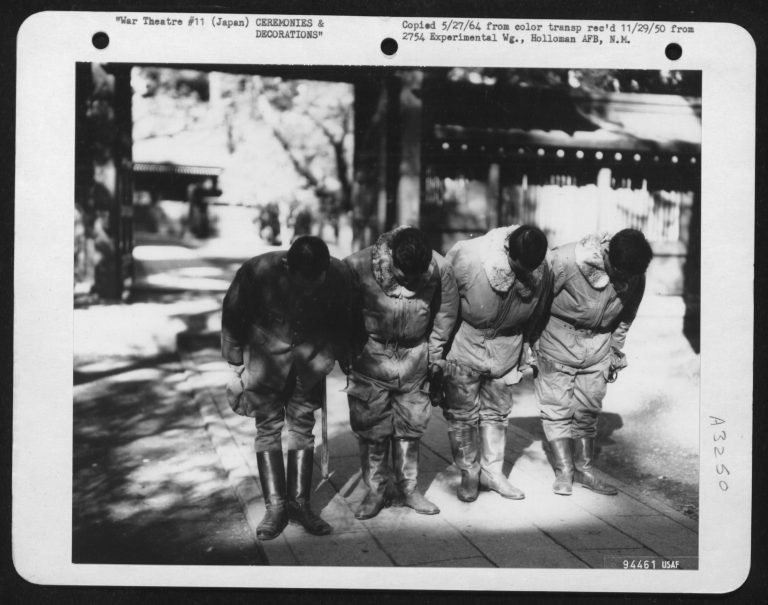
Credit: “Image courtesy of the U.S. National Archives (NARA). Public Domain.”
Training and Ideology: Inside the World of Kamikaze Pilots
Those chosen—or persuaded—to join the kamikaze corps were often young men barely out of their teenage years. Training was technically minimal, as their missions required only enough skill to fly toward a target. What mattered more was psychological conditioning. Through daily rituals, patriotic speeches, and the revival of bushidō values, recruits were taught that dying for the Emperor was the highest honor a soldier could achieve.
Yet beneath the surface of this rigid ideology lay complex human emotions. Diaries and farewell letters reveal conflicted hearts: fear intertwined with duty, hope overshadowed by resignation. Some volunteered out of a genuine sense of patriotism; others were guided by societal pressure or the belief that refusal would dishonor their families.
In these documents, we see not faceless warriors but young men writing final thoughts about love, friendship, regret, and a longing for a peaceful Japan they would never see again.
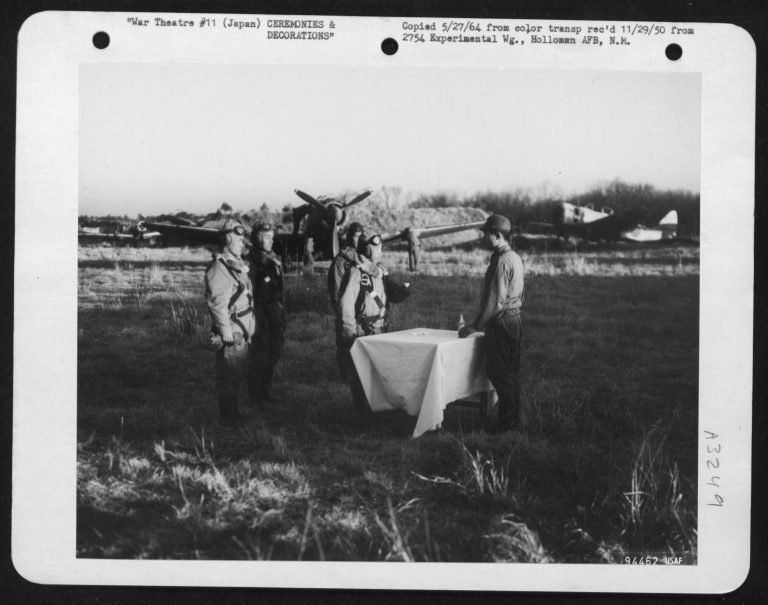
Credit: “Image courtesy of the U.S. National Archives (NARA). Public Domain.”
The Reality of Kamikaze Missions During the Pacific War
When a kamikaze mission began, the pilot took off knowing he would never return. Aircraft were loaded with explosives and fuel, then directed toward Allied naval fleets—especially aircraft carriers, which were considered the greatest threat to Japan’s defenses.
The Battle of Leyte Gulf in 1944 became one of the first large-scale demonstrations of these attacks. Allied crews described the fear of seeing a plane break formation, dive through anti-aircraft fire, and explode upon impact with devastating force. Dozens of ships were damaged, and several were sunk across the Pacific campaign.
But despite these successes, kamikaze operations could not alter the outcome of the war. The industrial power of the United States was simply too great, and Japan’s dwindling resources meant that the tactic was ultimately unsustainable.
Nevertheless, the psychological impact was immense. The kamikaze transformed the Pacific battlefield, introducing a form of warfare that blurred the line between strategy and tragedy.
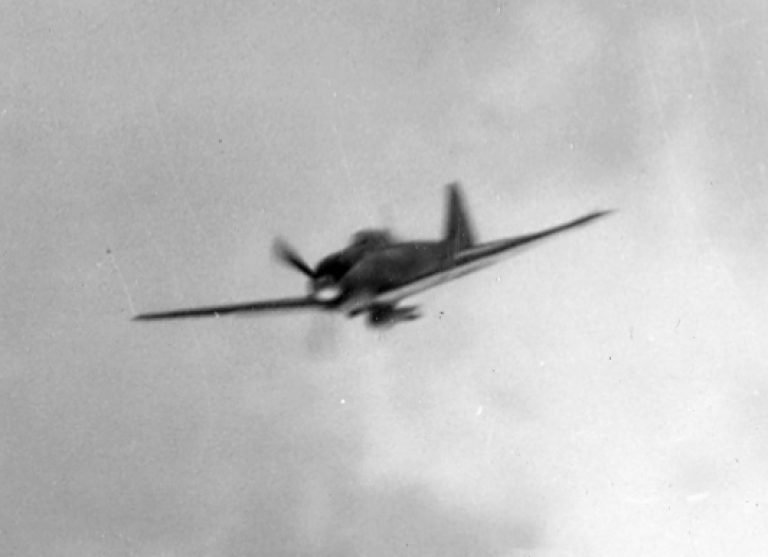
Credit: “Image via Wikimedia Commons. Public Domain.”
Legacy: How Japan and the World Remember Kamikaze Today
After Japan’s surrender in 1945, the nation struggled with how to interpret the legacy of the kamikaze. Some saw the pilots as victims of militaristic indoctrination; others believed they embodied bravery and selflessness in the face of certain defeat. Over time, Japan adopted a nuanced perspective, acknowledging both the tragedy of lost youth and the dangers of wartime ideology.
Today, museums and memorials across Japan present the kamikaze story through a lens of reflection rather than glorification. Exhibits highlight personal letters, photographs, and artifacts that humanize the pilots as individuals shaped by their circumstances—not as symbols of fanaticism.
Globally, the memory of kamikaze operations continues to shape discussions about warfare, nationalism, and the psychological extremes imposed by total war. It serves as a reminder of how conflict can push societies to choices that defy logic yet feel unavoidable in moments of crisis.
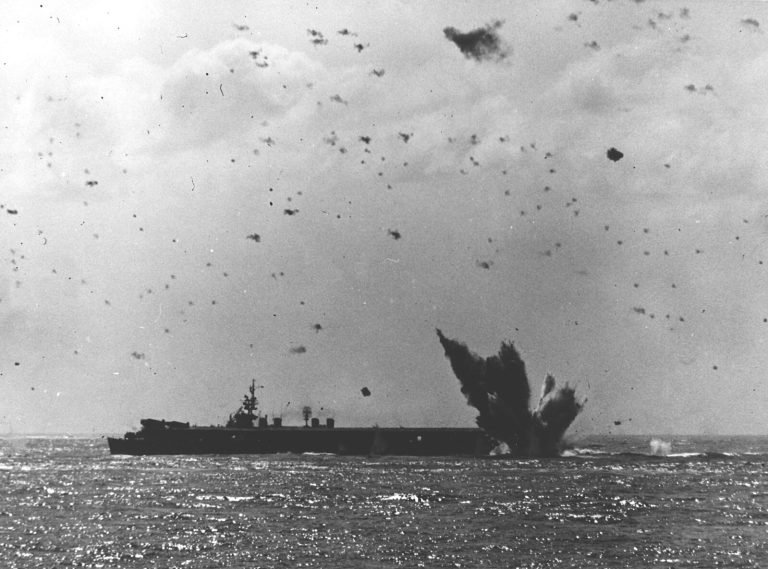
Credit: “Image via Naval History and Heritage Command. Public Domain.”
Lessons from the Kamikaze Story
The story of kamikaze operations is not merely about warfare—it is a window into the human cost of World War II. It reveals how ideology, fear, hope, and desperation can merge into decisions that alter the course of history. Understanding this chapter of Japan’s past helps us reflect on the true price of war and the importance of safeguarding peace.
By exploring the origins and legacy of the kamikaze, we not only honor the memory of those who lived through the Pacific War but also gain insight into the emotional and cultural forces that shape nations during moments of existential threat.



Comment (1)