

Korea Beyond K-Drama War, Kingdoms & The Ancient Capitals That Time Tried to Erase
Korea is a country where history hides beneath every modern skyline. Beneath the neon lights of Seoul and the soft charm of hanok villages lies a story shaped not only by pop culture, but by kingdoms that once ruled the peninsula, cities that vanished through war, and cultural legacies that survived against all odds. As I traveled through the country, I realized how little the world truly knows about Korea’s past. Most visitors come for K-Drama filming locations or trendy cafés, but korea travel history reveals something far deeper—an emotional narrative of resilience, loss, and rebirth.
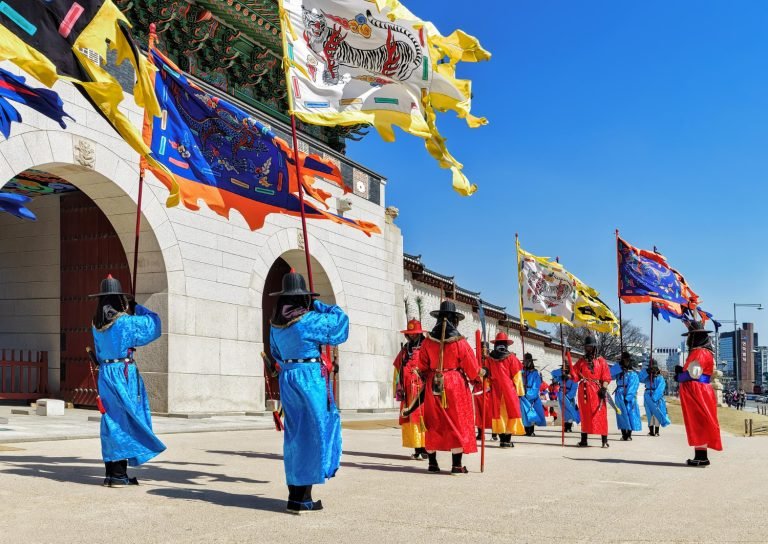
Walking through Gyeongju, often called “the museum without walls,” felt like stepping into a forgotten era. Burial mounds rose like ancient giants across the land, guarding the secrets of the Silla Kingdom, one of the most influential civilizations in ancient Asia. The air carried a sense of timelessness—soft, still, almost sacred. It was here that I understood how Korea’s story began long before the world discovered K-Pop or Korean cinema. These dynastic capitals once commanded power equal to China’s great empires and Japan’s emerging states. Their influence stretched across art, Buddhism, astronomy, and the political architecture that shaped East Asia.
But Korea’s history is not only about ancient kingdoms. It is also the story of a nation torn apart by one of the most devastating wars of the modern era—the Korean War. Traveling through the DMZ, I felt the heaviness of a land divided, the silence of forests that once echoed with gunfire, and the weight of families separated for over 70 years. The war shaped modern Korea more than any drama, movie, or trend ever could. Even today, the peninsula carries a tension between memory and hope, tragedy and progress. The strength of the Korean people is reflected not only in their economic rise but in their ability to hold on to identity despite destruction beyond imagination.
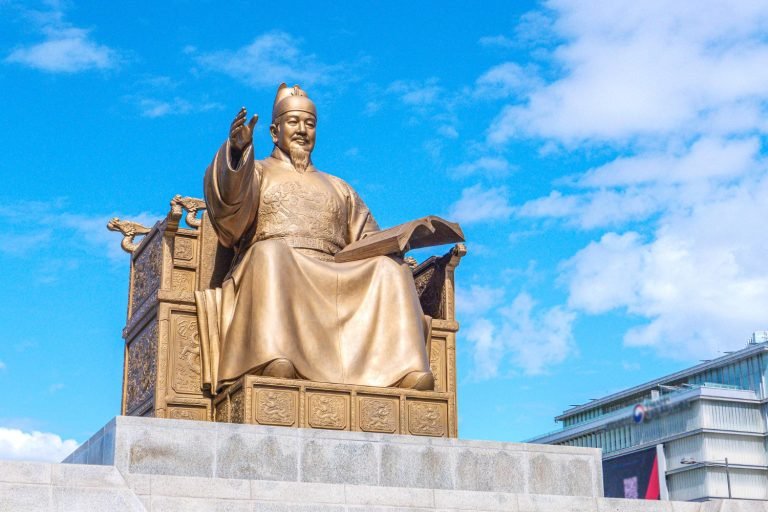
Further south, cities like Busan reveal another side of korea travel history. During the war, Busan was the last standing refuge, a place where millions fled to survive. Today, it is a colorful coastal city, but if you wander into its older districts, you’ll find remnants of wartime shelters, refugee villages, and hidden corners telling stories that tourists rarely hear. Korea’s past is not buried; it’s simply overshadowed by the country’s rapid modernization. Every alley, every hillside, every coastal fort still carries the whispers of people who lived, fought, and rebuilt.
And then there is Seoul—a city reborn from ashes. Few travelers realize that the capital was almost completely destroyed during the Korean War. Today’s modern Seoul rises on the bones of ruin, rebuilt through determination and vision. Yet old Seoul remains alive in pockets: the royal palaces of the Joseon Dynasty, the fortress walls stretching across mountain ridges, the Confucian shrines that once shaped the moral backbone of the country. In these old places, the past and present meet seamlessly. As I walked through Bukchon Hanok Village at sunrise, the golden light revealed rooftops that have stood for centuries, enduring invasions, imperial occupation, and war.
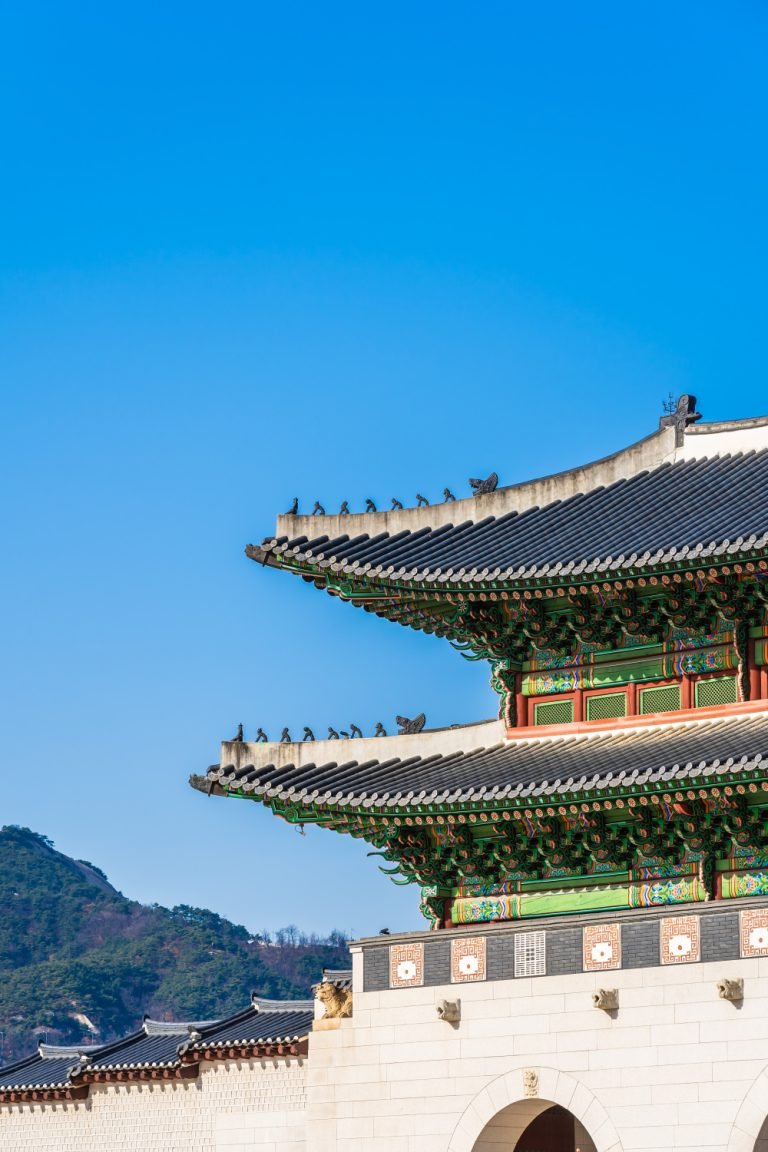
Korea’s story is a blend of ancient glory and painful rebirth. It is not a simple narrative, but a layered one—kingdoms that rose and fell, capitals abandoned and rediscovered, wars that split families forever, and cultures that refused to disappear. Traveling through Korea taught me that history is not something you observe here; it is something you feel. It is in the mountains sacred to shamanism, in the quiet courtyards of Confucian academies, in the remnants of fortresses, and in the emotional strength of people who carry a past heavier than most nations can imagine.
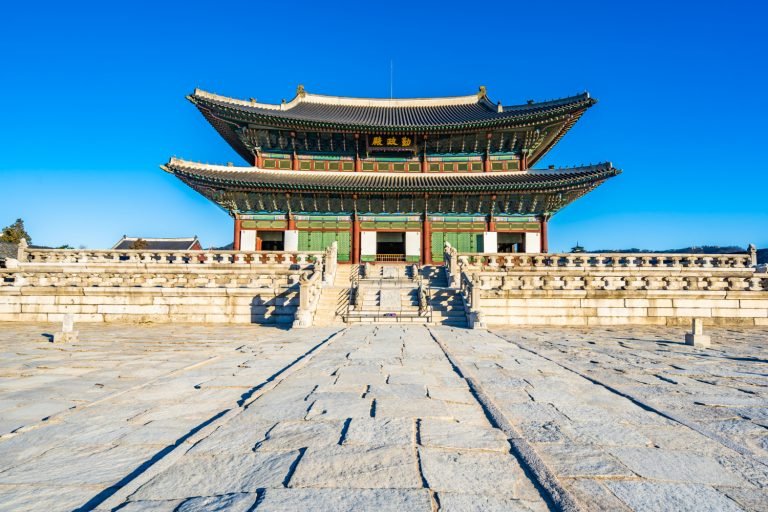
For travelers who want to go beyond surface-level sightseeing, korea travel history is one of the richest journeys in Asia. It reveals a Korea that existed long before pop idols and Netflix dramas—a Korea of kings and warriors, of cities erased by war, of scholars shaping philosophies, and of everyday people rebuilding their lives again and again. This is the Korea that time tried to erase, but never could.
Comment (0)