

Every time I travel through Japan, I realize how many chapters of this country exist quietly between the lines of history books.
The Japan we know today—modern Tokyo, cultural Kyoto, traditional Nara—didn’t rise out of nowhere. Before them, there were other capitals.
Cities that once ruled empires.
Cities where emperors lived, samurai marched, and new eras were born.
Cities that vanished.
Some disappeared through war.
Some collapsed through natural disasters.
Some simply faded as power shifted to new rulers.
As a traveler who chases history more than souvenirs, I’ve always been drawn to these lost capitals—the places where Japan’s story changed direction. And if you walk quietly through their ruins today, you can still feel the heartbeat of civilizations long gone.
Let’s go back in time—far beyond the neon lights of Tokyo—into Japan’s forgotten cities.
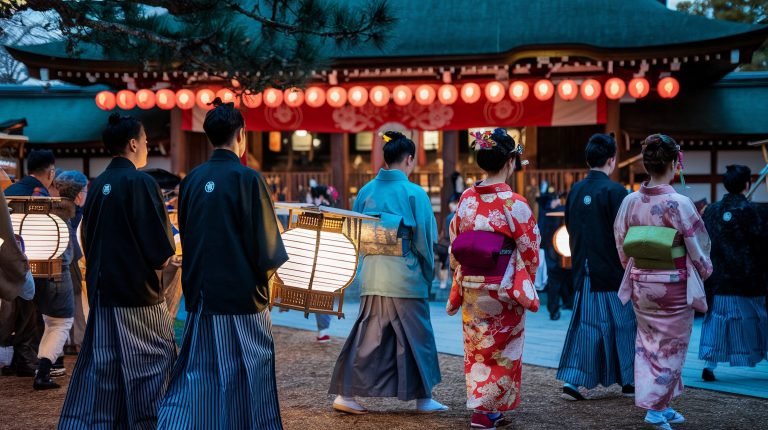
Why Japan’s Lost Capitals Matter
Japan doesn’t rewrite the past; it layers it.
Every old capital—vanished or preserved—adds another layer to the country’s cultural DNA.
Why this topic is important for travelers & history explorers:
- You understand Japanese culture deeper when you see how power shifted over centuries.
- You see the impact of war, fire, earthquakes, and political change.
- You visit cities that shaped the modern Japanese identity.
- You discover temples, burial mounds, and ruins that existed 1,000 years before Tokyo.
Japan’s story didn’t begin with samurai.
It began with ancient emperors, Buddhist monks, and cities built from earth, wood, and ambition.
Heijo-kyō — Japan’s Forgotten First Capital (710–784 AD)
Nara, Japan
Long before Kyoto… before Tokyo… Japan’s first true capital stood in Heijo-kyō, modern-day Nara.
This was the city where diplomacy began—Japan’s first connections with China’s Tang Dynasty.
Here, Buddhism flourished.
Here, national identity started forming.
What happened to it?
Political power moved.
The capital was relocated.
Heijo-kyō simply faded—abandoned not by war, but by decisions and time.
Today, the city exists as open fields, reconstructed government halls, and museums preserving Japan’s earliest political system.
Why you should visit:
- Ancient palace grounds
- World’s oldest wooden temples
- Tombs of nobles from the Asuka & Nara periods
- Early Buddhist heritage
Walking here feels like flipping open the first page of Japan.
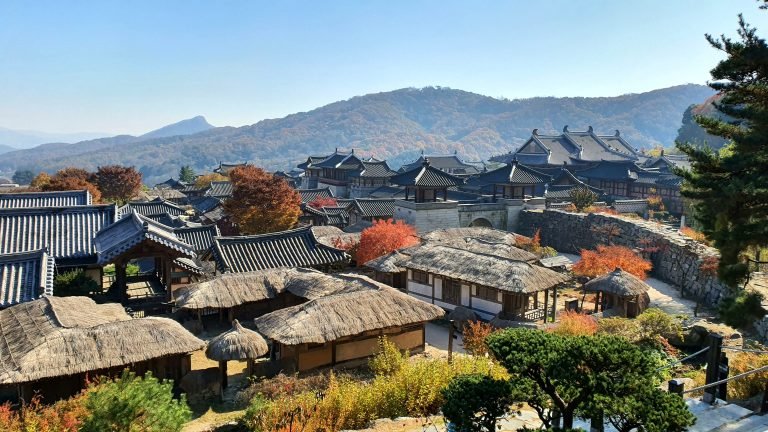
Heian-kyō — Kyoto Before Kyoto Became “Kyoto” (794–1868 AD)
Kyoto wasn’t built—it evolved.
Heian-kyō was the refined capital that shaped Japan’s classic literature, court life, and aristocratic culture.
The world of The Tale of Genji was born here.
Why did it fall?
Not by a single event—but by cycles of fire, war, and political turbulence:
- Rival samurai clans battled across the city
- Palaces burned repeatedly
- Power decentralization slowly weakened the capital
By the time the shoguns took command and modern Japan began rising, Heian-kyō had already lost its political crown.
Today in Kyoto, you can still feel:
- Remains of ancient palaces
- Old street grids from the Heian period
- Shrines that survived fires and civil wars
- Court aristocracy culture reflected in modern festivals
Kyoto is a survivor—a city rebuilt many times, carrying scars beneath its beauty.
Kamakura — The Samurai Capital That Changed Japan Forever (1185–1333)
If Japan had a city that shaped its warrior spirit, it was Kamakura.
When the Minamoto clan won the Genpei War, they built a new government—not in Kyoto, but in a coastal town protected by mountains.
This became the birthplace of:
- The samurai government (Kamakura Shogunate)
- Zen Buddhism’s rise in Japan
- Japan’s first warrior-based political system
Why did Kamakura fall?
Three words:
Invasion. War. Betrayal.
- Mongol invasions strained the economy
- Natural disasters destroyed defense systems
- Internal rebellion struck the heart of power
Kamakura burned, collapsed, and vanished as a capital—its streets now quiet, lined with temples hiding stories of war.
Why you should explore Kamakura:
- Samurai history
- Zen temples & meditation halls
- Ruins of the old shogunate
- Mountain passes where samurai once marched
It’s one of the richest historical destinations in Japan—yet almost unnoticed by tourists.
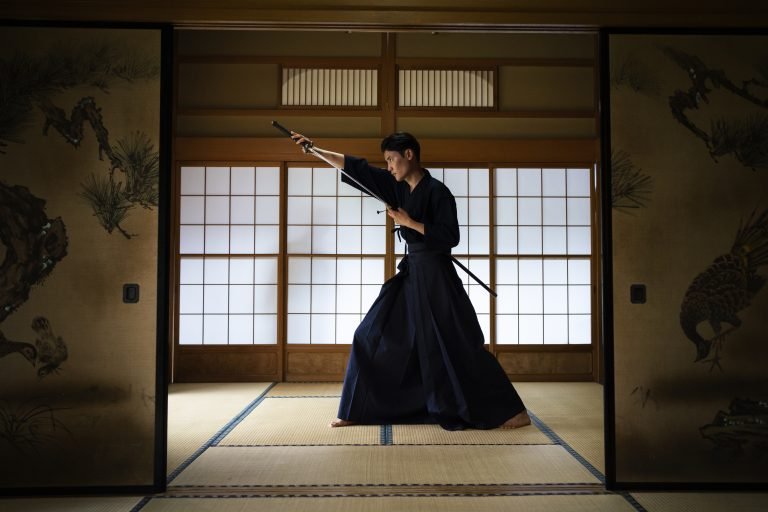
Edo — The Capital Born From Fire (1603–1868)
Before Edo became Tokyo, it was a fortress town surrounded by marshlands.
Then one event changed everything:
The Tokugawa shogunate chose Edo as its base.
Suddenly Edo became:
- One of the world’s largest cities
- Home of samurai bureaucrats
- Center of art, kabuki, literature, and ukiyo-e
- A multicultural port buzzing with trade
But Edo also suffered through:
- Massive fires (“Edo was the city of burning skies”)
- Earthquakes
- Cholera outbreaks
- Civil conflict during the Meiji Restoration
When the emperor moved and Edo was rebranded as Tokyo, a new era began.
But much of old Edo still sleeps beneath modern streets.
Hiroshima — The Capital of Peace, Reborn From War (WWII)
No lost capital in Japan is more haunting—or more powerful.
On August 6, 1945, Hiroshima vanished in seconds.
Not by politics.
Not by fire.
But by the world’s first atomic bomb used in war.
Why Hiroshima matters today:
- It is a city rebuilt on the philosophy of peace
- Every traveler can learn from its museums, memorials, and survivor stories
- It stands as Japan’s strongest reminder that war leaves no winners
Walking through Hiroshima feels like moving through a city that decided to rise—not because it forgot, but because it remembered.
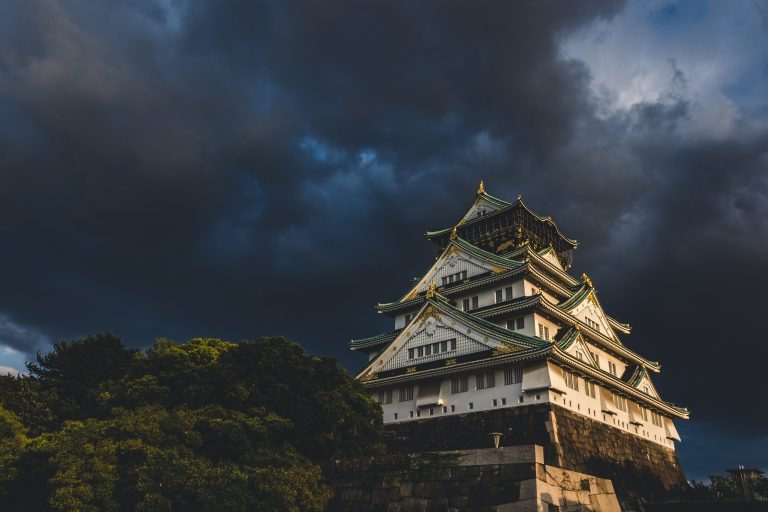
Why Lost Capitals Are Important for Travelers
Because they help you see Japan beyond temples, sushi, and neon lights.
These places show:
- How war shaped Japanese identity
- How religion and politics shifted empires
- How cities rise, fall, and rebuild
- How people keep memories alive through architecture and culture
When you visit these sites, you’re not just traveling.
You’re reading Japan like a book—page by page, era by era.
Jayjames’ Reflection
Every time I explore Japan’s lost capitals, I’m reminded of a simple truth:
Cities disappear.
But cultures survive.
Stories survive.
People survive.
Japan teaches us that identity isn’t built on victory or defeat—it’s built on how a country remembers, rebuilds, and continues forward.
And that’s why exploring these forgotten capitals feels like meeting the “Japan that once was.”
Mini Travel Guide — Exploring Japan’s Lost Capitals
Best Time to Visit
October–March (cool season)
Spring is best for heritage ruins, winter for crisp photography.
📌 Suggested Route
Heijo-kyō → Nara
Heian-kyō → Kyoto
Kamakura → Shonan Coast
Edo → Tokyo
Hiroshima → Chugoku Region
📌 Travel Tips
- Rent a bicycle for ancient ruin zones
- Visit shrines early morning for crowd-free ambiance
- Bring a notebook—you’ll want to write things down
- Go slow; history requires patience
Closing Thoughts
Japan’s lost capitals aren’t just destinations—they’re memory keepers.
Visit them, and you’ll discover:
- Cities erased by time
- Empires that rose from ambition
- Cultures shaped by war and peace
- A Japan that existed long before the modern world
If you want to understand Japan beyond tourism…
Start with the cities it left behind.
Because sometimes the most important places are the ones no longer on the map.
Comment (0)