

Modern Malaysia is often described through its diversity. Malay, Chinese, Indian, and Indigenous communities coexist within a single nation, navigating identity, language, and culture daily. What is less often acknowledged is that this diversity was not only inherited from colonial administration. It was reshaped, hardened, and redefined by war.
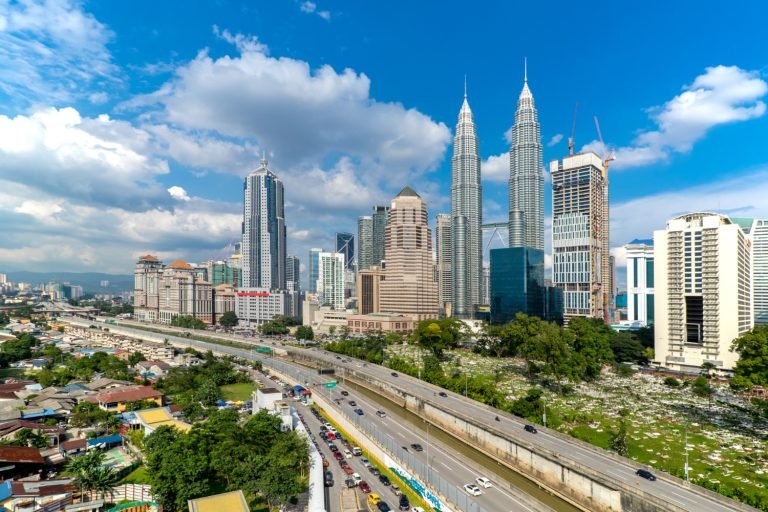
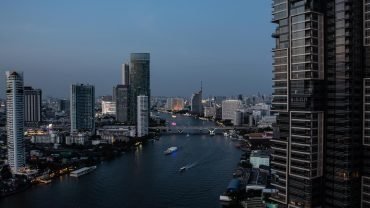
Urban landscapes in Southeast Asia shaped by wartime experience
World War II did not merely interrupt Malaya’s colonial timeline. It fractured it. The Japanese occupation from 1941 to 1945 altered power structures, social trust, and ethnic relations in ways that still influence Malaysia today. To travel Malaysia without understanding this war is to see only the surface of the nation.
Before the war, Malaya existed as a British colonial economy rather than a unified national identity. The British governed through separation. Malays were associated with rural administration and traditional authority. Chinese communities dominated commerce and mining. Indian laborers supported plantations and infrastructure. These divisions were functional rather than ideological, but they created distance.
When Japan invaded Malaya in December 1941, the British defense collapsed rapidly. The fall of Singapore shocked the colonial world and exposed the fragility of imperial power in Southeast Asia. For local populations, the collapse created a vacuum filled by uncertainty.
Japanese occupation introduced a different kind of rule. Authority became direct, violent, and ideological. Loyalty was demanded, not negotiated. Civilians were mobilized for labor, surveillance, and compliance. Food shortages spread. Fear replaced predictability.
Ethnic experiences of the occupation were not uniform. Chinese communities suffered harsh repression due to Japan’s war with China. Malays navigated collaboration and survival under shifting authority. Indian communities encountered Japanese support for anti-British movements, complicating postwar perceptions.
These unequal experiences planted seeds of mistrust that would later challenge national unity.
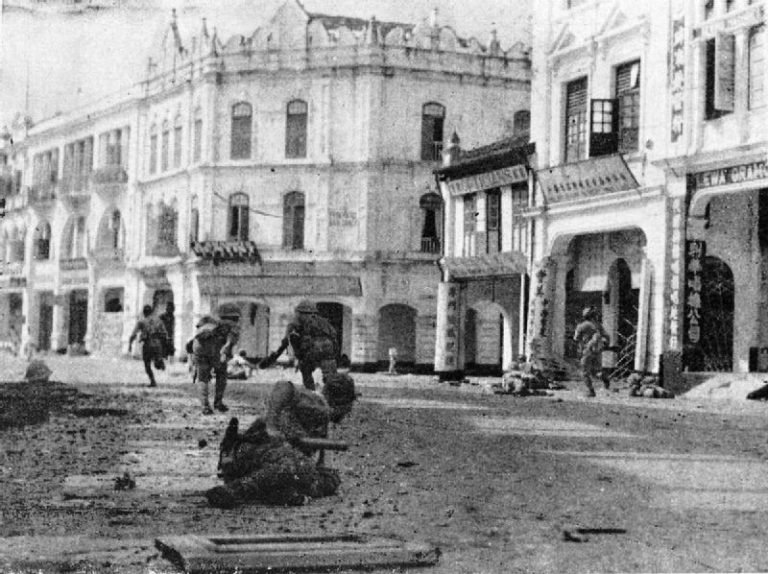
Japanese occupation legacy in Malaysia during World War II
At the same time, the occupation dismantled the myth of British invincibility. Local resistance movements emerged. Guerrilla warfare, intelligence networks, and civilian support systems formed across jungles and towns. War forced interaction across ethnic lines, but it also intensified suspicion.
When the war ended in 1945, Malaya did not return to its prewar state. The colonial structure was damaged beyond repair. Independence movements gained legitimacy. The idea of a shared future became unavoidable.
World War II accelerated the birth of Malaysia not by design, but by disruption.
Cities across Malaysia still carry physical and psychological traces of this transformation. In Penang, colonial architecture coexists with memories of occupation, air raids, and resistance. In Kuala Lumpur, modern development overlays sites once tied to wartime administration and postwar emergency rule. In Malacca, layers of Portuguese, Dutch, British, and Japanese influence intersect in a single urban fabric.
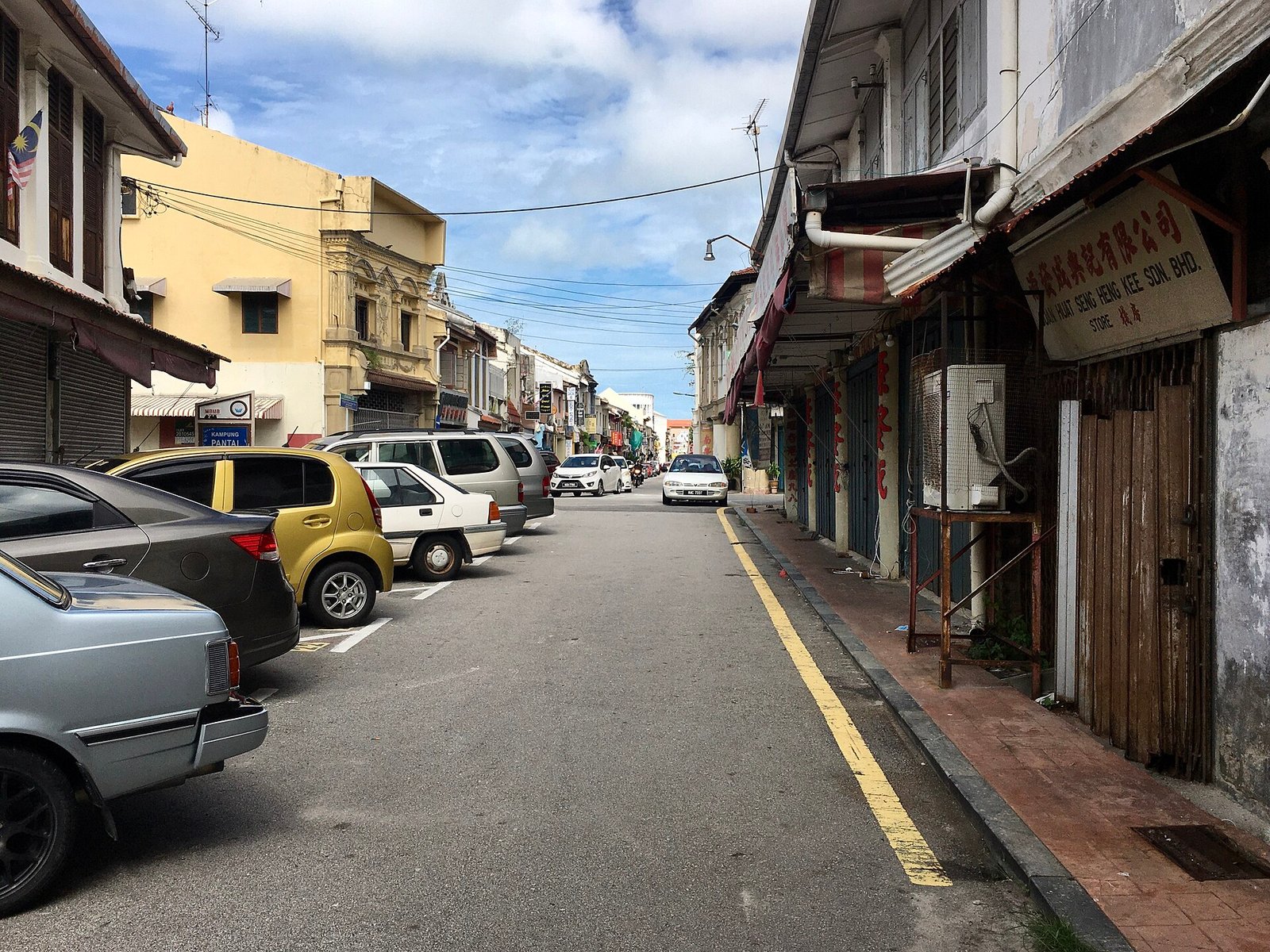
Historic Malacca streets reflecting layered colonial and war history
These cities do not advertise their war history loudly. Malaysia’s postwar narrative focused on stability, growth, and harmony. Silence became a political choice. Remembering selectively helped manage diversity.
As a result, Malaysia’s war memory often lives quietly. It appears in family stories, unmarked sites, and inherited attitudes toward authority and security. The Emergency that followed the war further blurred the boundary between wartime and peacetime.
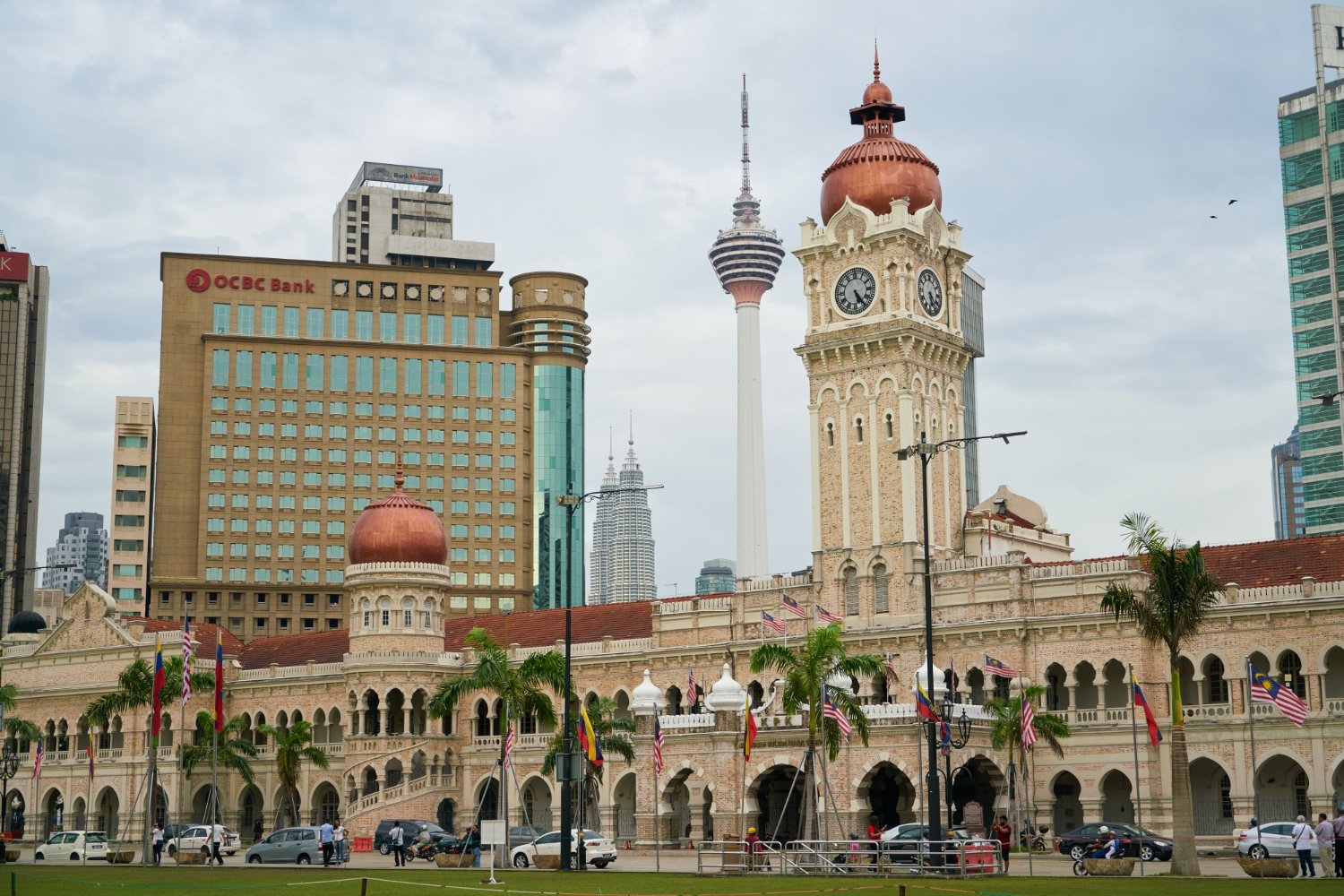
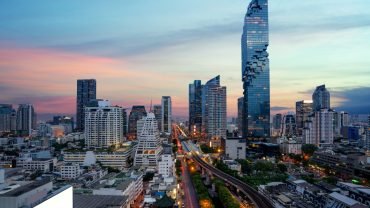
Kuala Lumpur urban areas influenced by wartime history
Travelers walking Malaysia today encounter a country that looks peaceful, organized, and forward-looking. Yet beneath this calm lies a society shaped by survival under occupation.
To travel Malaysia with historical awareness is to recognize that its diversity was tested under extreme pressure. Cooperation, fear, resistance, and compromise shaped the nation’s foundation.
This context transforms travel experience. Colonial towns become more than aesthetic stops. They become stages where power shifted and identities hardened. Food culture reflects migration shaped by war. Urban planning reveals security concerns rooted in occupation and insurgency.
Walking Malaysia’s war cities beyond colonial charm allows travelers to understand how history shaped coexistence.
Malaysia was not unified by war victory. It was shaped by shared vulnerability.
And that vulnerability still informs how the nation navigates difference today.
Malaysia’s cities are more than colonial backdrops.
They are landscapes shaped by occupation, survival, and compromise.
Walk beyond colonial towns,
and let Malaysia’s war-shaped history reveal the nation beneath the surface.
Comment (0)