

Nagasaki occupies a strange and often overlooked position in modern history. It is remembered as the second city destroyed by an atomic bomb, yet it had already experienced the end of another war long before 1945. For centuries, Nagasaki stood at the boundary between Japan and the outside world, absorbing foreign influence, religious persecution, and enforced isolation. By the time the twentieth century arrived, the city had already learned how to survive endings.
This is why Nagasaki does not feel like a city defined by a single moment. Its history unfolds in layers rather than ruptures. War did not arrive suddenly here. It accumulated.
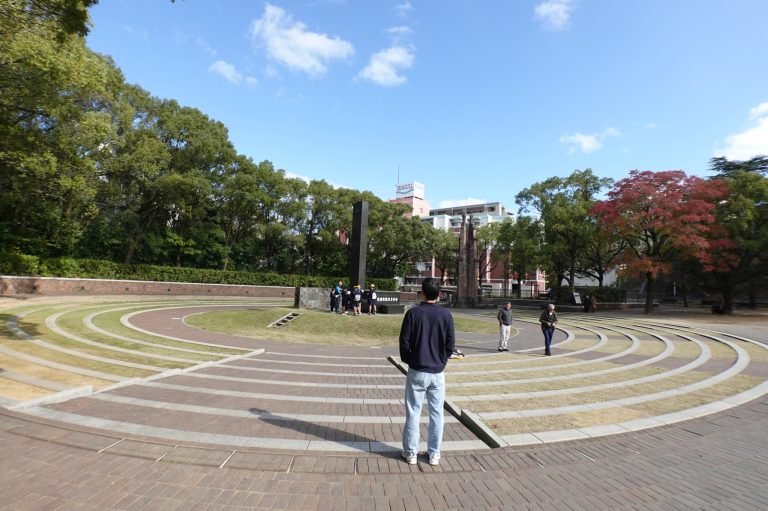
Hills shaping Nagasaki’s urban landscape and wartime impact
Long before it became associated with nuclear devastation, Nagasaki was Japan’s most outward-facing port. From the sixteenth century onward, it served as one of the few places where Japan engaged directly with Europe. Portuguese traders arrived first, followed by missionaries who introduced Christianity. Churches rose beside traditional neighborhoods. New beliefs spread quickly among local communities.
This openness would later become a liability.
When Japan turned inward during the Edo period, Nagasaki remained the only officially sanctioned point of contact with the West. Through the artificial island of Dejima, Dutch traders maintained limited exchange with Japan. Knowledge entered the country quietly through Nagasaki while the rest of Japan remained closed.
This history taught the city how to exist at the edge of power. It learned caution, negotiation, and endurance.
Christianity, once welcomed, became forbidden. Believers were persecuted, forced underground, or executed. For centuries, hidden Christian communities preserved their faith in silence. This legacy shaped Nagasaki’s relationship with trauma. Suffering was endured privately. Memory was carried quietly.
When Japan entered the era of modern warfare, Nagasaki was already conditioned to survive under pressure.
Unlike Hiroshima, which was a major military hub, Nagasaki was not an obvious target. Its geography of hills and valleys fragmented the city into separate districts. Industrial facilities were scattered rather than centralized. This would later shape the scale of destruction.
On August 9, 1945, the atomic bomb fell on Nagasaki.
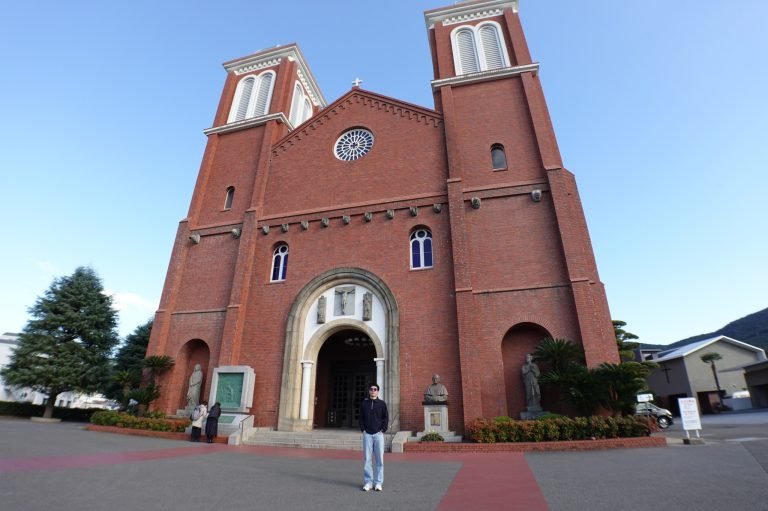
Historic churches reflecting faith and survival in Nagasaki
The city did not vanish entirely. Hills shielded some neighborhoods. Valleys confined the blast. Destruction was devastating but uneven. Entire communities were erased while others survived with horrifying clarity. This partial survival intensified trauma. People could see what had been lost from places that still stood.
Nagasaki became the second city to experience nuclear annihilation, yet its suffering unfolded differently. The bomb fell days after Hiroshima. Rumors of destruction had already spread. Fear existed before impact. The war felt as though it was already ending, yet death still arrived.
For Nagasaki, the atomic bombing marked the end of World War II and the closure of centuries of struggle with foreign power, religious persecution, and national isolation. It was an ending layered upon endings.
Recovery in Nagasaki was quieter than in Hiroshima. There was less global attention. Fewer symbols. Memory was preserved through faith, community, and landscape rather than international discourse.
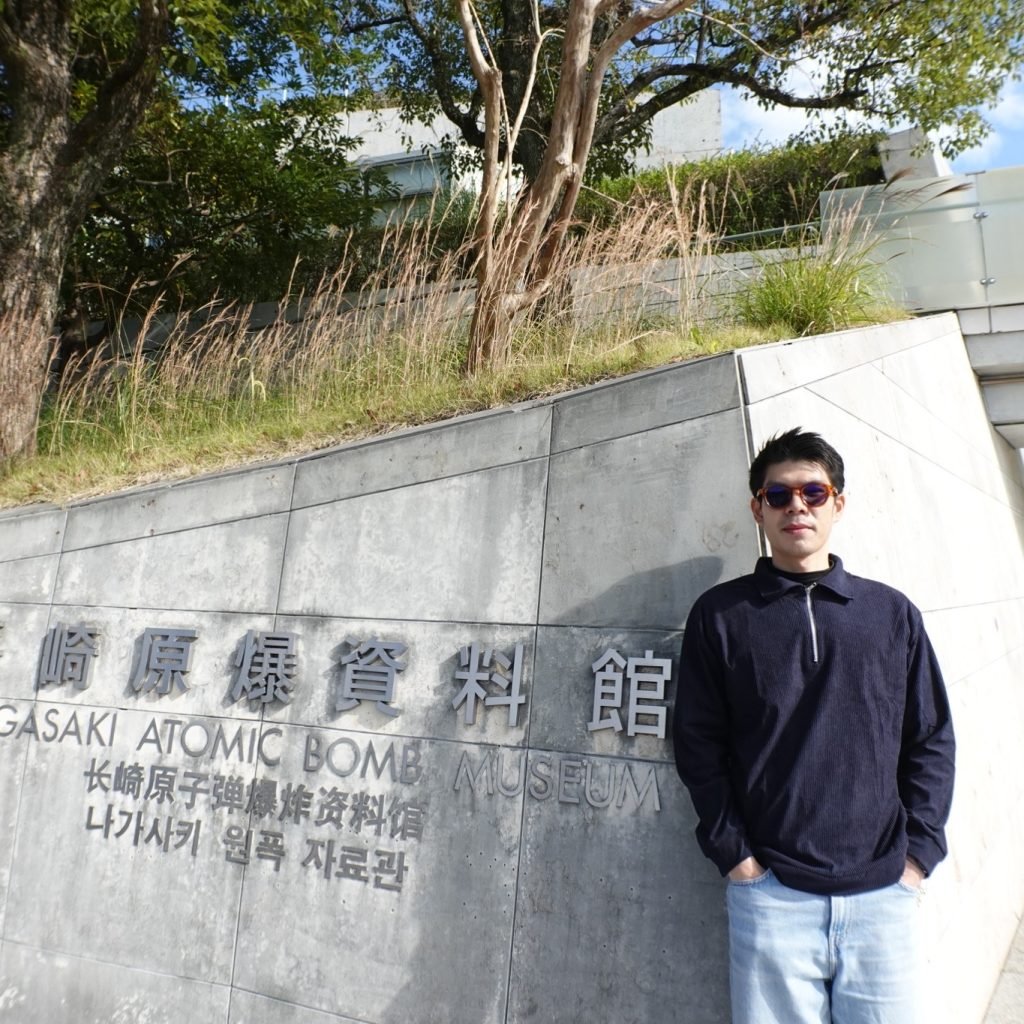
The Nagasaki Atomic Bomb Museum tells the story of destruction, but it does not fully capture how the city lived afterward. Survivors returned not to rebuild an identity, but to continue one that had already endured centuries of hardship.
Religion played a unique role. Churches damaged by the blast were rebuilt alongside shrines and temples. Faith provided structure where politics could not. Mourning occurred privately, communally, and without spectacle.
This is why Nagasaki feels different from Hiroshima.
Hiroshima became a global symbol of nuclear warning. Nagasaki remained a local story of survival. Where Hiroshima speaks loudly, Nagasaki speaks softly.
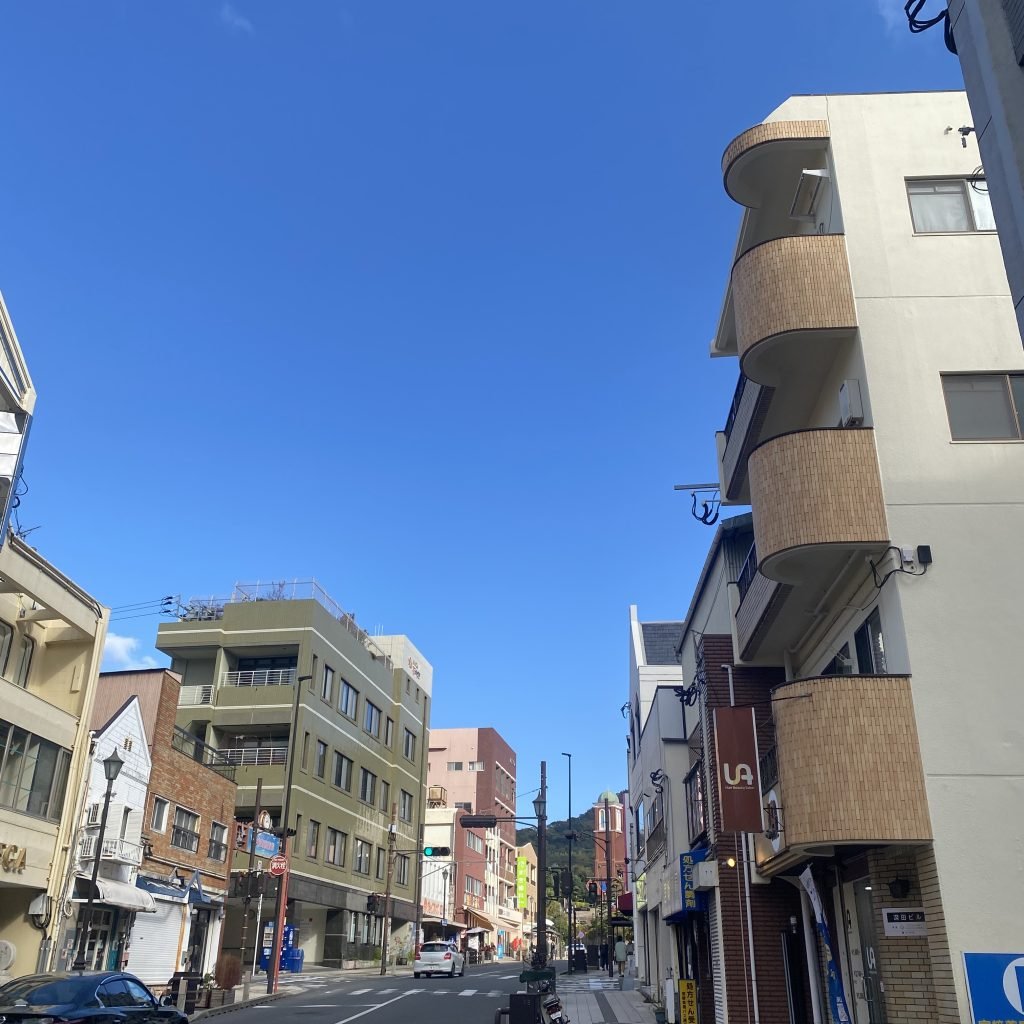
Urakami district near the atomic bomb hypocenter
Walking through Nagasaki today, history reveals itself gradually. Slopes replace wide avenues. Neighborhoods feel intimate. The past is present, but not announced.
Travelers who move only between museums miss the deeper story. The city’s war routes are not linear. They follow hills, rivers, and former industrial zones now integrated into daily life.
Walk through Urakami, where the bomb detonated. Notice how residential streets coexist with memorials. Walk toward rebuilt churches that stand as witnesses to both religious persecution and atomic destruction. Follow tram lines that connect districts once isolated by terrain and trauma.
Nagasaki teaches history through movement rather than narration.
Daily life here does not erase the past. It absorbs it. Markets operate beside memory. Children play near sites of devastation without explanation. This is not forgetting. It is adaptation.
The city does not demand that visitors feel guilt or awe. It asks for attention.
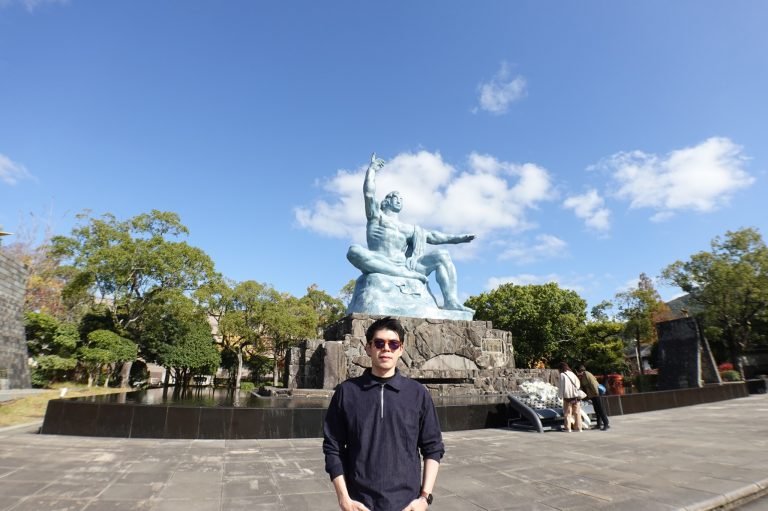
Nagasaki Peace Memorial Park at dawn
Traveling through Nagasaki with historical awareness means slowing down. It means recognizing how geography shaped survival. It means understanding why silence became a form of strength.
Nagasaki saw the end of war twice. Once when Japan closed itself to the world and forced belief underground. Again when the world closed the war with nuclear fire.
Yet the city did not end.
It continued.
To understand Nagasaki is to accept that history does not always announce its conclusions. Sometimes it lingers quietly in place, waiting for those willing to walk slowly enough to notice.
Nagasaki does not ask to be remembered loudly.
It asks to be walked, observed, and respected.
Follow the hidden war routes of Nagasaki,
and let the city explain its history in silence.
Comment (0)