

Okinawa does not remember World War II the way the rest of Japan does. While the war elsewhere is often framed around defeat, reconstruction, and economic recovery, Okinawa carries a different memory. Here, the war did not simply end. It embedded itself into land, families, and daily life. For Okinawa, World War II was not a historical event that passed. It became a permanent condition.
This difference begins with what Okinawa was before it became a battlefield.
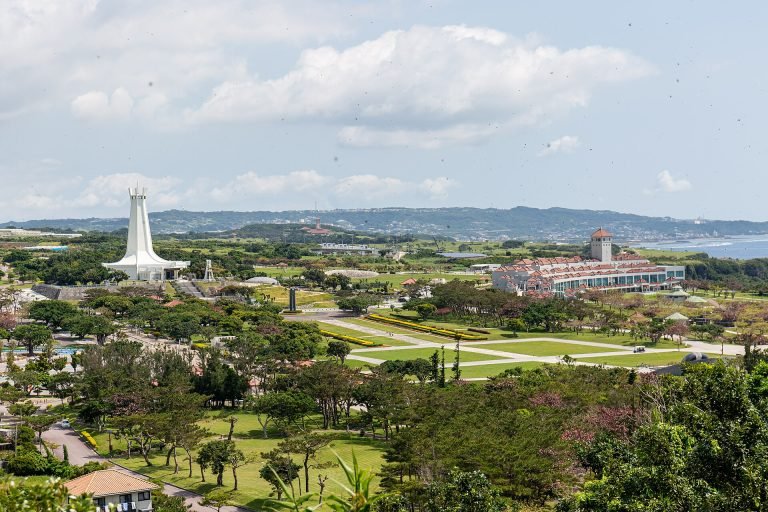
Okinawa Peace Memorial Park honoring civilian victims
Before 1945, Okinawa was not simply another Japanese prefecture. It was the center of the Ryukyu Kingdom, a maritime society shaped by trade, diplomacy, and cultural hybridity. Its people spoke different languages, practiced different rituals, and understood identity in ways distinct from mainland Japan. Incorporation into Japan in the late nineteenth century did not erase these differences. It layered authority over an existing culture.
When war arrived, Okinawa was already positioned as a frontier rather than a core.
The Battle of Okinawa transformed the island into the bloodiest ground battle of the Pacific War. Unlike aerial bombings that devastated cities in moments, Okinawa experienced prolonged, grinding combat. The island became a military shield placed between the Japanese mainland and advancing Allied forces.
Civilians were not collateral damage. They were embedded within the battlefield.
Families were caught between armies. Villages were destroyed repeatedly. People were forced into caves, trenches, and makeshift shelters where survival depended on silence and obedience. Starvation, disease, and fear were constant. Civilians were instructed to view surrender as dishonor, a message that would have devastating consequences.
For Okinawans, the war was not fought above them. It was fought through them.
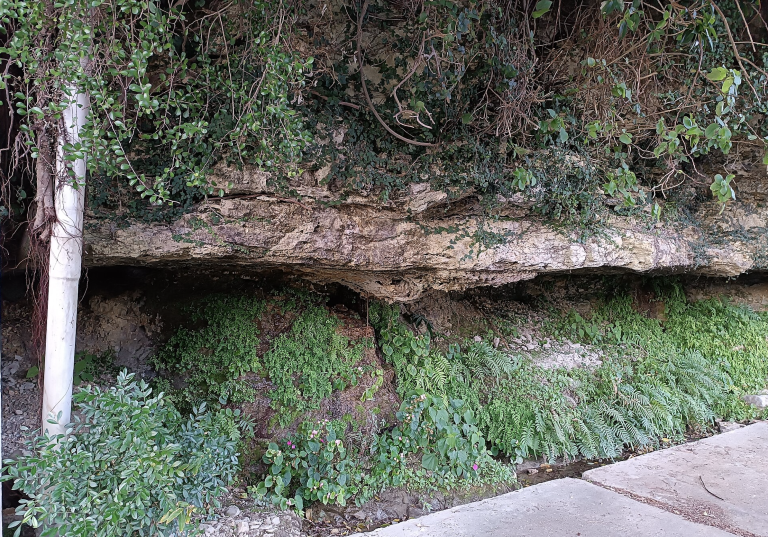
Caves used by civilians during the Battle of Okinawa
Civilian death became systemic rather than incidental. Entire communities were erased. Many deaths were the result of direct violence, others of coercion, misinformation, or despair. The psychological toll did not end with survival. It reshaped how Okinawans related to authority, memory, and identity.
When the war officially ended, Okinawa did not return to peace.
Instead of rejoining Japan immediately, Okinawa remained under American military administration for decades. Land was seized for bases. Fences divided communities. Military aircraft became part of the island’s soundscape. The war had ended, but its infrastructure remained.
This prolonged occupation reinforced a sense of separation. Okinawa bore the physical burden of postwar geopolitics while remaining marginal in national narratives. The island’s suffering was acknowledged, but rarely centered.
Memory in Okinawa developed differently.
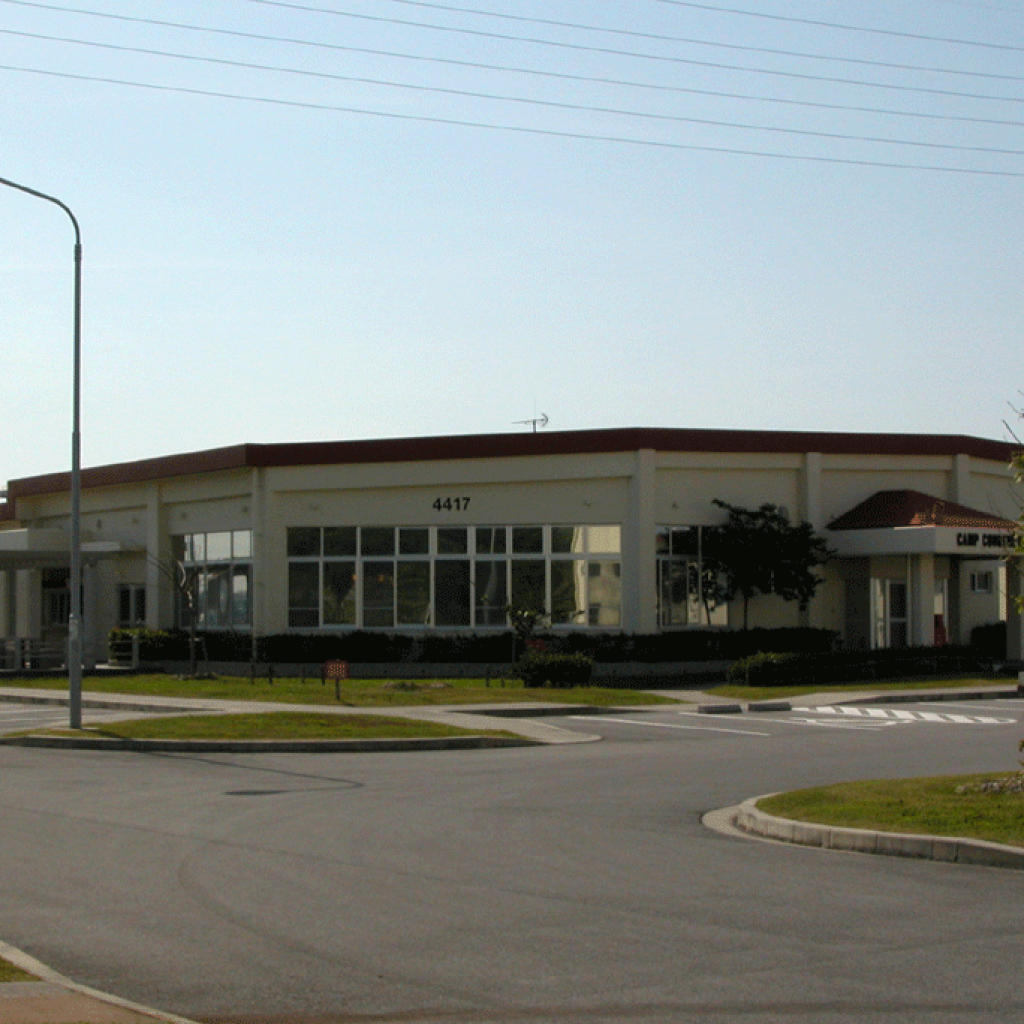
Military bases shaping Okinawa’s modern landscape
There was no victory to celebrate. No liberation narrative that fit cleanly. Instead, memory focused on loss, endurance, and warning. The war was remembered not as national sacrifice, but as civilian catastrophe.
This is why Okinawa’s memorials feel different.
Places such as Peace Memorial Park do not glorify heroism. They record names. They emphasize scale. They insist on the civilian cost of war. The message is not national pride, but human consequence.
Yet even these memorials cannot fully convey how deeply the war remains embedded in everyday life.
Military presence continues to shape Okinawa. Bases occupy large portions of the island. Accidents, noise, and political tension remain part of daily experience. For many residents, the war feels ongoing because its structures never disappeared.
Silence became a survival strategy.
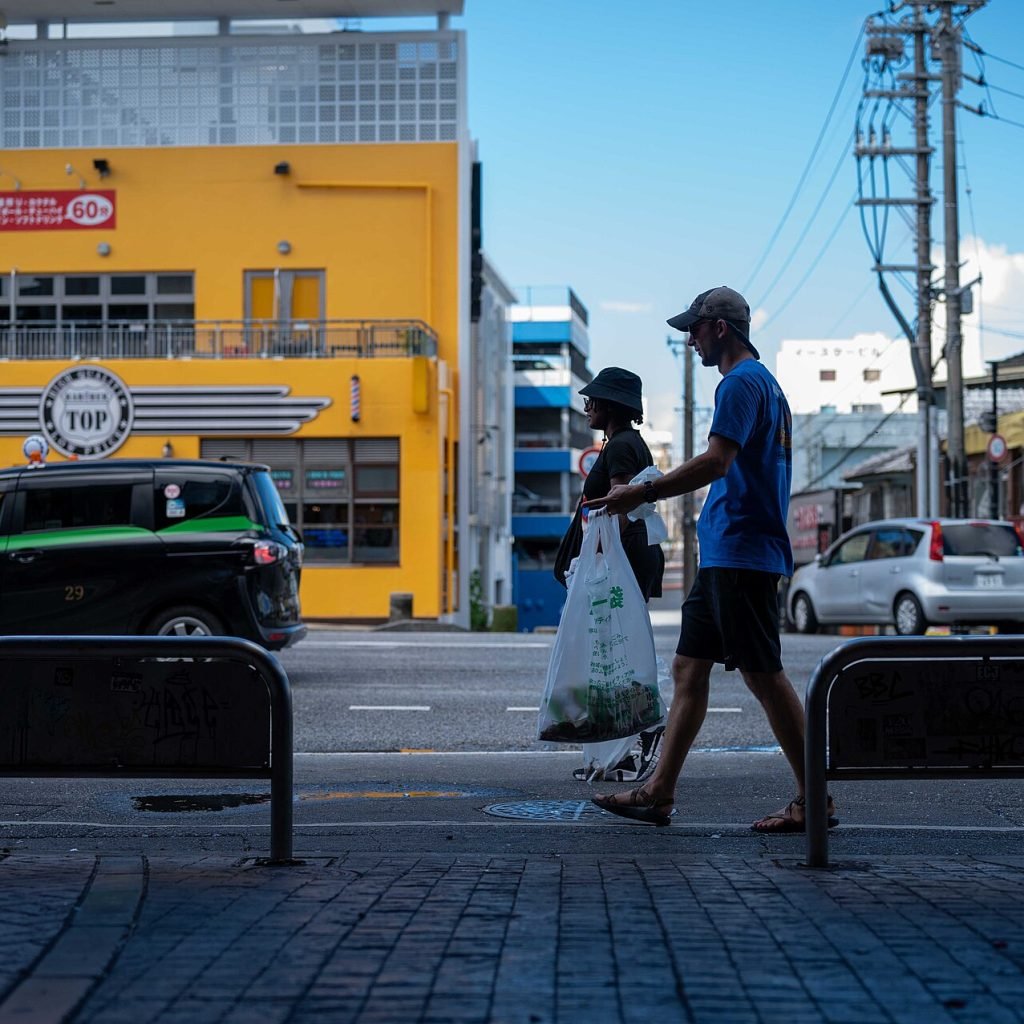
Civilian integrated into Okinawan daily life
Many families did not speak openly about what happened. Trauma was passed through behavior rather than stories. Caution, restraint, and wariness of authority became learned responses. The war lived on not through constant remembrance, but through habits formed under fear.
Unlike in mainland Japan, where postwar growth offered psychological distance from wartime suffering, Okinawa’s environment continuously reinforced memory. The past could not fade when helicopters flew overhead and fences marked land taken decades earlier.
This is why the war never left the island.
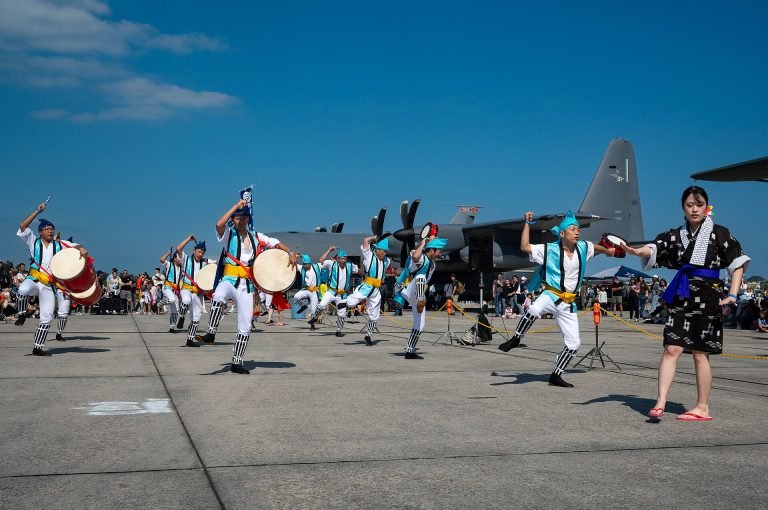
Island communities living alongside unresolved war history
Travelers often encounter Okinawa first through beaches, coral reefs, and tropical imagery. These elements are real and beautiful, but they tell only part of the story. Beneath the surface lies an island shaped by unresolved history.
To travel Okinawa with awareness is to move beyond leisure into context. It is to understand why protests occur, why memorial days matter, and why the landscape feels emotionally charged despite its natural beauty.
Walk through former battle sites now covered by grass. Visit caves where families hid in darkness. Notice how memorials are integrated into everyday environments rather than isolated.
Okinawa teaches that war does not end uniformly everywhere. For some places, it recedes into textbooks. For others, it becomes structural.
The island’s history challenges simplified narratives of World War II. It reveals how civilian suffering can be obscured by national frameworks. It shows how peace without justice can feel incomplete.
Okinawa is not defined by tragedy alone. Its culture remains vibrant. Its people continue to assert identity, language, and resilience. Yet this vitality exists alongside memory, not instead of it.
The war never left Okinawa because its consequences were never fully resolved.
To understand Okinawa is to accept that history can linger as presence rather than memory. It is to see how landscapes absorb violence and how communities adapt without closure.
Traveling Okinawa beyond the beaches is not about seeking sorrow. It is about recognizing depth.
History does not interrupt the island’s beauty.
It explains it.
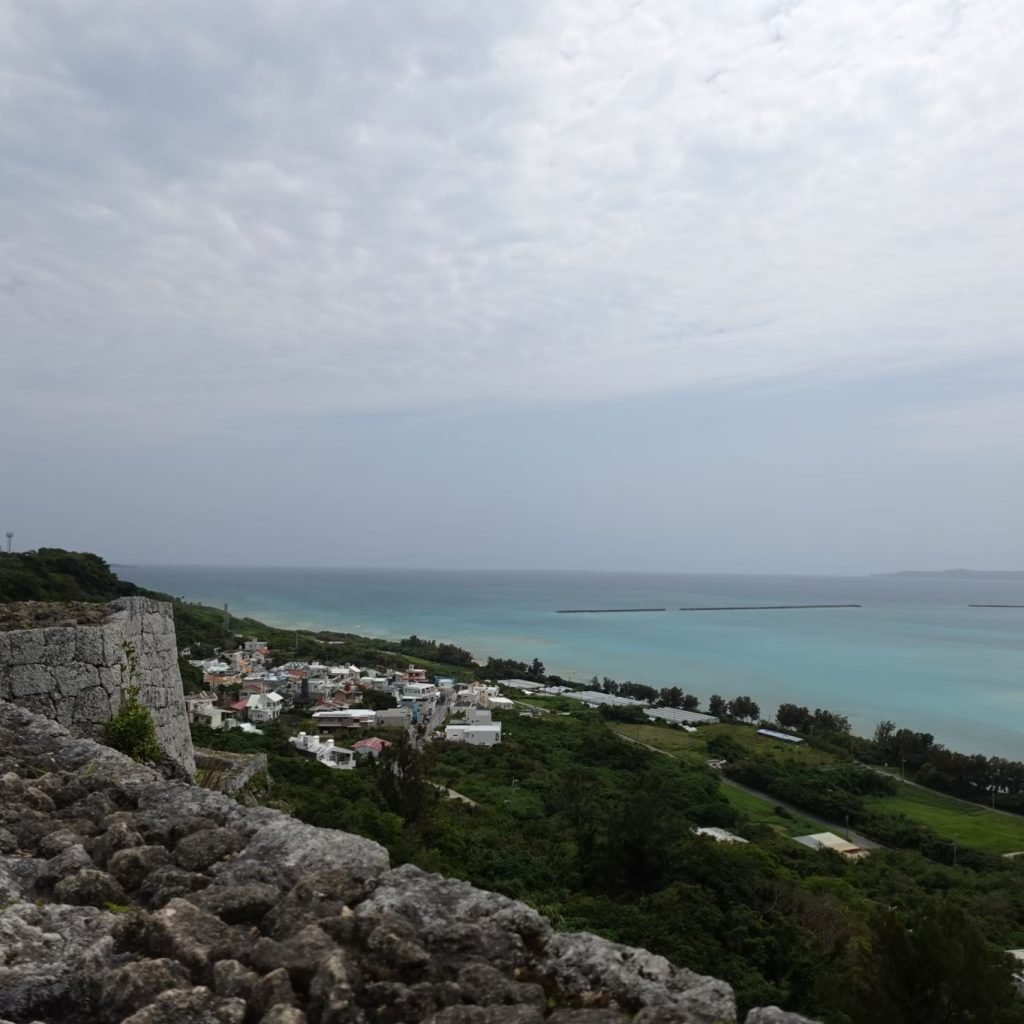
Okinawa is more than a tropical escape.
It is an island where history never fully left.
Travel beyond the beaches,
walk the places shaped by civilian memory,
and let Okinawa explain its past in its own quiet way.
Comment (0)