

Phnom Penh was once known as the Pearl of Asia. French colonial architecture lined wide boulevards shaded by tamarind trees. The confluence of the Mekong and Tonlé Sap Rivers gave the capital a quiet elegance. Markets bustled. Universities flourished. The Royal Palace shimmered with ceremonial confidence. The city felt small but self-assured.
Few capitals have experienced transformation as abrupt and total as Phnom Penh.
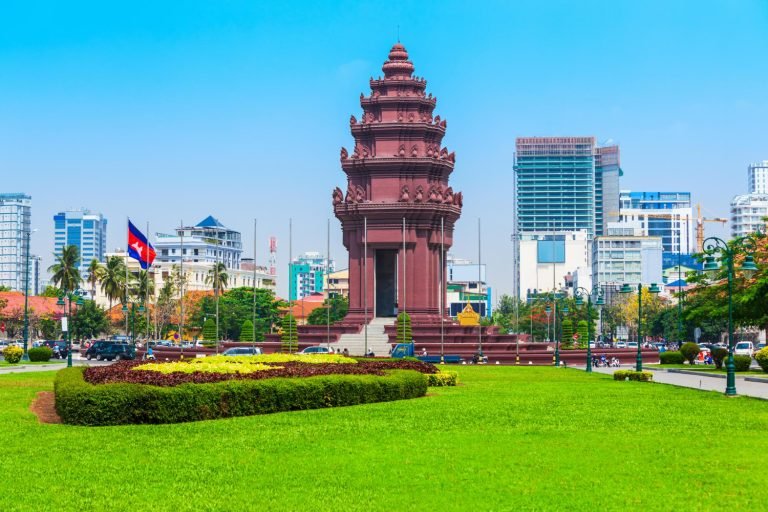
Phnom Penh City
To understand Phnom Penh war history is to understand how a city can be emptied, erased in function without being physically flattened, and then asked to resume existence almost from zero.
During the early 1970s, Cambodia’s neutrality eroded amid regional conflict spilling across its borders. Bombing campaigns struck rural provinces. Political instability intensified. Civil war fractured the country. Phnom Penh absorbed waves of displaced people fleeing violence outside the capital.
The city swelled rapidly.
Hospitals strained. Food supplies tightened. Governance weakened. Yet daily life continued with fragile normalcy.
In April 1975, that normalcy ended.
Khmer Rouge forces entered Phnom Penh. Within days, the population was ordered to evacuate. Residents were told the departure would be temporary. It was not.
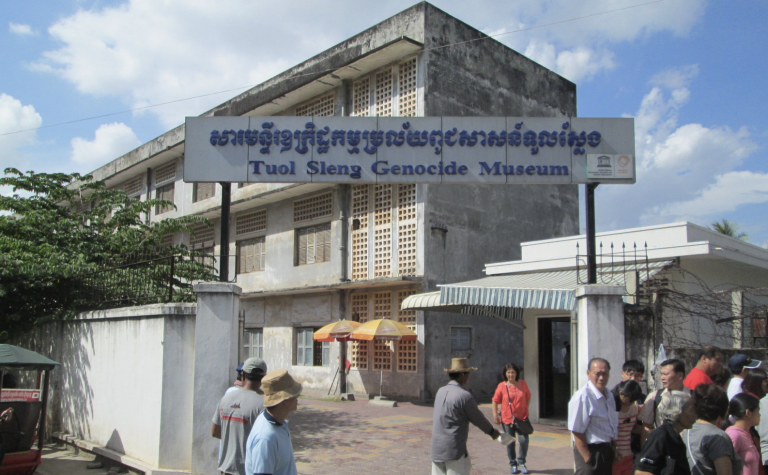
Exterior of Tuol Sleng museum in Phnom Penh
Across Phnom Penh, hospitals were cleared. Schools emptied. Families separated under confusion and threat. The capital transformed from urban center into silent shell almost overnight.
Few cities in modern history have been emptied so completely.
The Khmer Rouge sought to erase urban identity. Intellectualism, commerce, and cosmopolitan life were deemed corrupt. The regime attempted to reconstruct society as agrarian collective. Phnom Penh, symbol of former structure, was abandoned.
Buildings remained standing. Life did not.
During the four years that followed, the city functioned as administrative center for a regime governing largely through rural labor camps and coercion. Former schools became detention sites. Infrastructure deteriorated.
Across Cambodia, the social fabric unraveled. Millions died from execution, starvation, disease, and forced labor.
Phnom Penh’s catastrophe was unique because it was urban negation rather than urban destruction.
Unlike Manila or Warsaw, the city was not reduced to rubble through artillery. It was emptied through ideology.
When Vietnamese forces entered Cambodia in 1979 and the Khmer Rouge regime collapsed, Phnom Penh faced a different challenge: how to repopulate a capital that had been deliberately hollowed.
Survivors returned cautiously. Many had lost entire families. Administrative knowledge was scarce. Records were incomplete or destroyed. The city lacked professionals, teachers, engineers.
Reconstruction began without blueprint.
Urban systems required rebuilding. Electricity, sanitation, transportation, governance—all needed revival. International assistance arrived gradually. Political instability lingered.
Phnom Penh did not restore its pre-1975 elegance. It improvised.
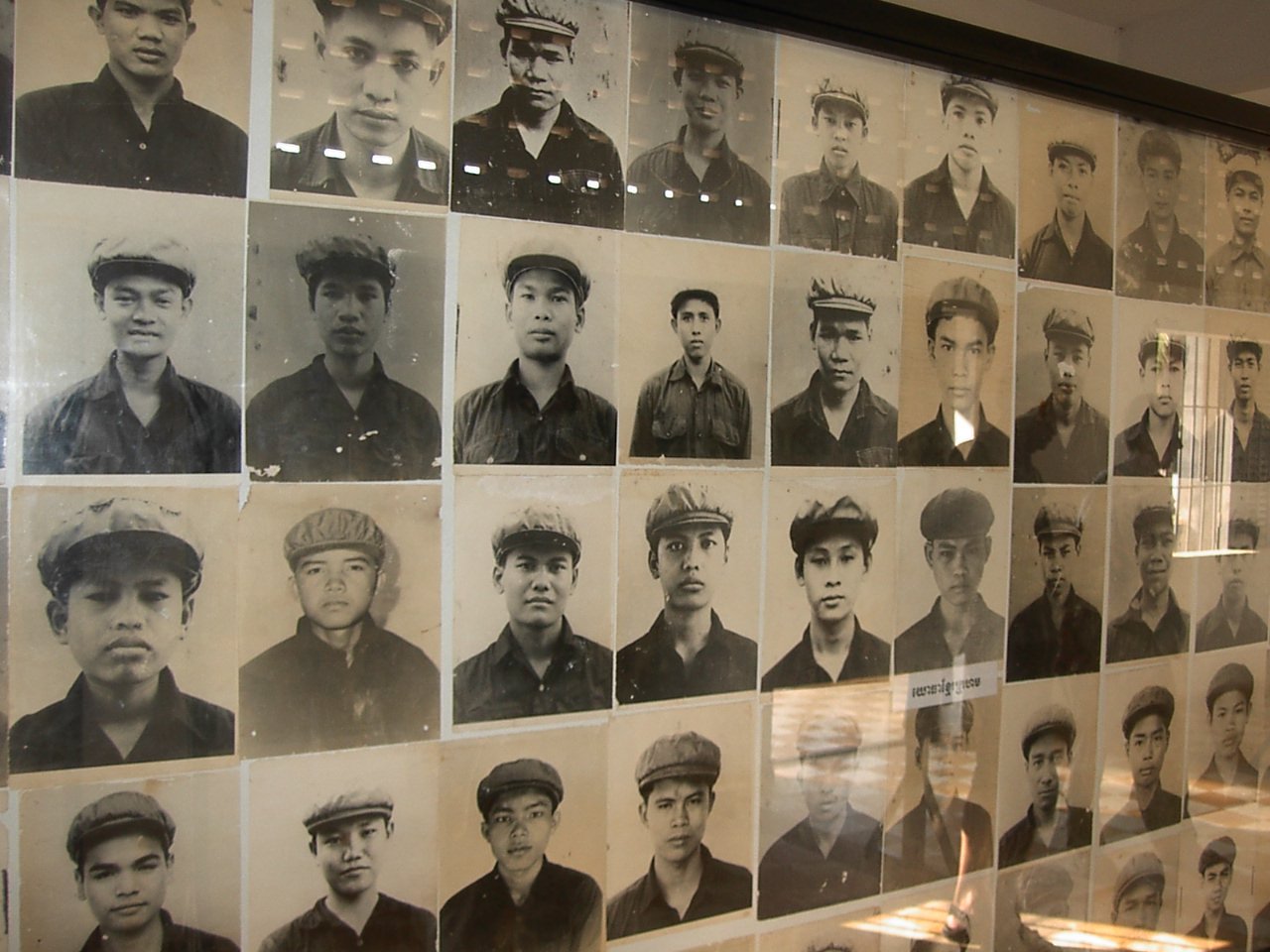
Young Khmer Rouge Fighters
Today, the capital reflects this improvisation. French colonial buildings stand beside Soviet-era structures and modern high-rises. The Royal Palace remains radiant, yet the surrounding districts carry uneven development.
Memory in Phnom Penh occupies physical spaces that resist simplification.
Tuol Sleng, once a high school, became a detention center under the Khmer Rouge. Today it stands as museum. The Killing Fields on the outskirts of the city serve as memorial landscape.
These sites are heavy.
Yet they represent only part of Phnom Penh war history.
The city’s broader story is about continuity after ideological erasure.
Walking through Phnom Penh today reveals a capital rebuilding confidence. Cafés line the riverside. Young Cambodians study abroad and return. Art galleries emerge. Markets hum.
Yet generational silence persists.
For many families, stories of the late 1970s remain partially spoken. Trauma does not disappear because development accelerates.
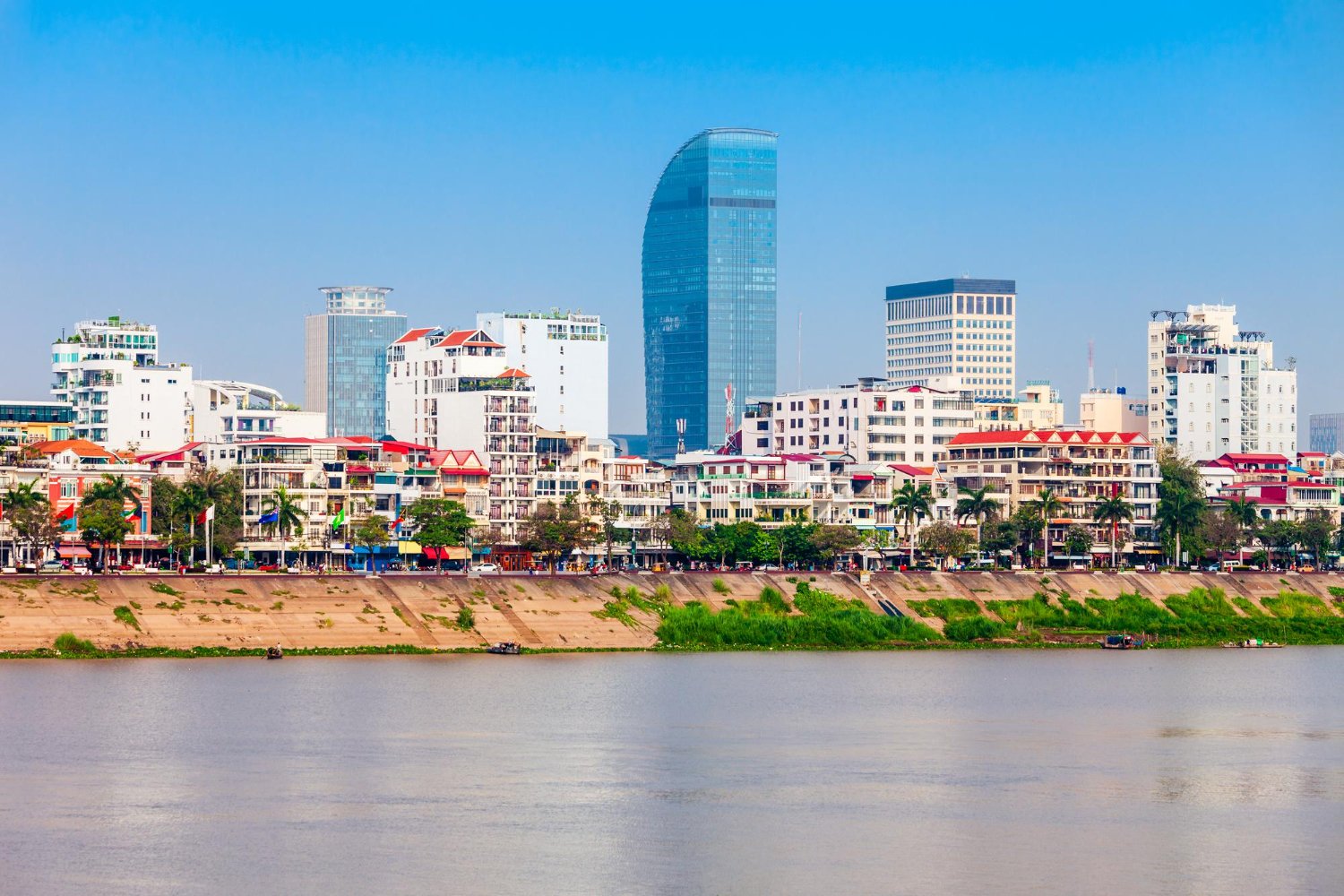
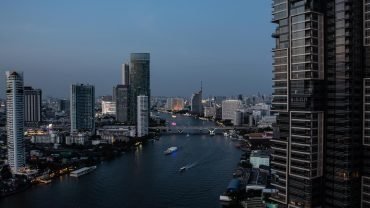
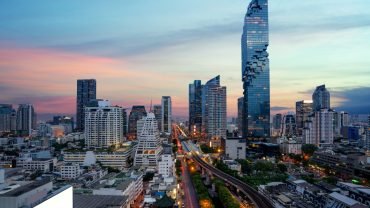
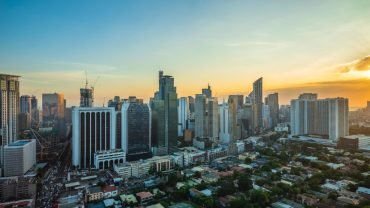
Modern skyline of Phnom Penh
Travelers often approach Phnom Penh primarily through its memorial sites. This approach risks reducing the city to trauma.
Understanding the capital requires broader lens.
Phnom Penh’s architecture reflects absence as much as presence. Buildings that appear modest often replaced erased institutions. Neighborhoods grew where records once vanished.
The city did not burn.
It emptied.
Repopulation reshaped social geography. Communities formed around survival networks rather than colonial design.
The Mekong continues flowing past the Royal Palace, indifferent to regime change. Sunset over the river feels serene. Yet serenity here coexists with knowledge.
Traveling Phnom Penh beyond trauma tourism means acknowledging memorials without confining the city to them.
It means recognizing that resilience does not erase grief but allows coexistence with it.
Phnom Penh teaches that catastrophe does not always leave ruins. Sometimes it leaves silence, and silence requires patient listening.
The capital today is energetic and evolving. Skyscrapers rise. Investment flows. Tourism returns. Yet beneath development lies memory embedded in absence.
Phnom Penh is not frozen in 1975.
It is moving forward from it.
Walking its streets with awareness reveals layers of removal and rebuilding. The city’s future does not negate its past; it emerges from it.
Life after catastrophe is not dramatic. It is incremental.
Phnom Penh embodies this incremental recovery.
It survived erasure.
It repopulated itself.
It continues.
Phnom Penh is more than a memorial destination.
It is a capital rebuilding life after erasure.
Walk Phnom Penh beyond trauma tourism,
and witness how a city survives by moving forward.
Comment (0)