

For more than a thousand years, Japan has been governed by a unique and complex power system involving three major forces: the Emperor, the Shogun, and the Samurai. These roles did not merely define political authority in the past. They created a cultural mindset that still influences modern Japan—from its disciplined work environment to the deep-rooted emphasis on hierarchy, loyalty, and social order. To understand Japan today, from the politeness of daily life to the structured world of corporate management, one must explore the historical architecture of power that shaped the country’s identity.
The story of Japan’s ruling structure is not simply a historical timeline. It is a reflection of how a nation negotiated spiritual authority, military strength, feudal loyalty, and political strategy over centuries. This article takes you through the evolution of this three-layered system, beginning with the symbolic but divine Emperor, the powerful Shogun, and the warrior class known as the Samurai who upheld the values of honor and obedience that remain visible even in contemporary Japanese society.
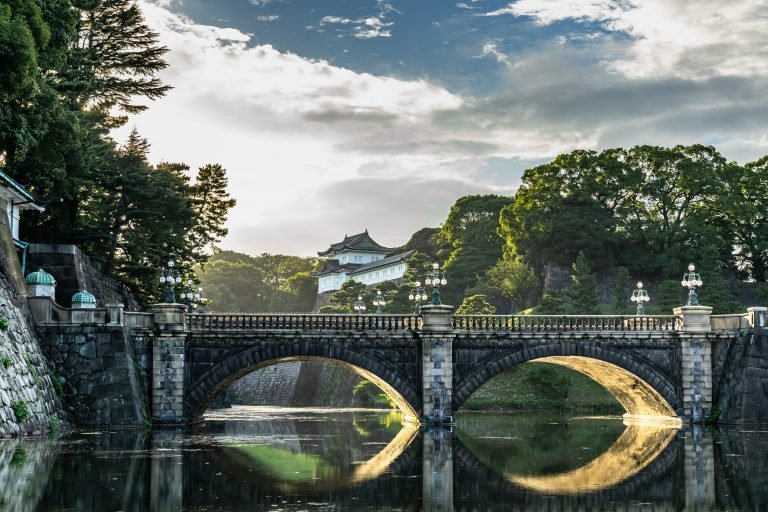
Japan’s Emperor traces an unbroken lineage that, according to mythology, stretches back more than 2,600 years to the sun goddess Amaterasu. In the Japanese worldview, the Emperor was not merely a political leader. He was a spiritual symbol who represented the nation’s continuity, identity, and divine legitimacy. His authority came from the heavens, which elevated him above the power struggles of everyday governance.
Although his role shifted over time, especially during the medieval and early modern periods, the Emperor’s status as a sacred and unifying figure remained constant. Even when political authority was taken over by the shogunate, the Emperor’s presence served as a moral compass and a symbol of legitimacy that no warrior dared openly challenge. The emperor was, in many ways, Japan’s conscience—present but distant, revered but removed from direct political power.
This symbolic role became especially prominent during the Tokugawa era. While the Shogun controlled the country, all laws and orders formally flowed from the Emperor’s authority. The shogunate used this divine legitimacy to justify its rule, and the Emperor’s presence subtly shaped political decisions without visibly intervening.
The modern era, beginning with the Meiji Restoration in 1868, revived the Emperor’s political function. The Emperor became the face of modernization, military expansion, and nation-building. Even after Japan’s defeat in World War II, the Emperor’s symbolic authority remained intact, although reinterpreted under a democratic constitution. Today, the Emperor is a national symbol of unity and cultural identity. The Japanese public may not actively discuss the monarchy in daily life, but the reverence for tradition, order, and continuity remains deeply tied to the imperial legacy.
The Rise of the Shogun: Military Rule Behind the Throne)
While the Emperor embodied divine authority, real political and military power often fell into the hands of the Shogun. The shogunate system began when warrior clans rose in influence during the late Heian period, eventually surpassing the aristocratic court in Kyoto. The establishment of the Kamakura Shogunate in 1192 marked the beginning of military rule in Japan.
The Shogun was the supreme military commander who controlled the armies, managed foreign relations, and made national policy decisions. Although he ruled in the Emperor’s name, the Shogun functioned as the de facto ruler of Japan for centuries. Three major shogunates defined Japanese history: the Kamakura Shogunate, the Ashikaga (Muromachi) Shogunate, and the Tokugawa Shogunate.
The Tokugawa era, lasting from 1603 to 1868, was the longest and most stable period of shogunal rule. It shaped Japan’s culture and society in profound ways. The Tokugawa shogunate established strict class hierarchies, regulated samurai behavior, controlled trade, and enforced social stability through rigid laws. It also introduced the sankin-kotai system that required regional lords to alternate residence between their domains and Edo (now Tokyo). This policy prevented rebellion and ensured loyalty to the shogunate by financially draining the warlords and keeping their families hostage in the capital.
The Shogun’s influence declined only when domestic and international pressures forced Japan to open its borders after centuries of isolation. Faced with Western powers, internal rebellion, and a weakening feudal system, the shogunate eventually collapsed, giving way to the Meiji Restoration. Modern Japan emerged from this dramatic shift, with the Emperor restored to political power and the samurai class formally abolished. Yet, the administrative structures and values developed under shogunal rule continued to shape Japan’s national identity.
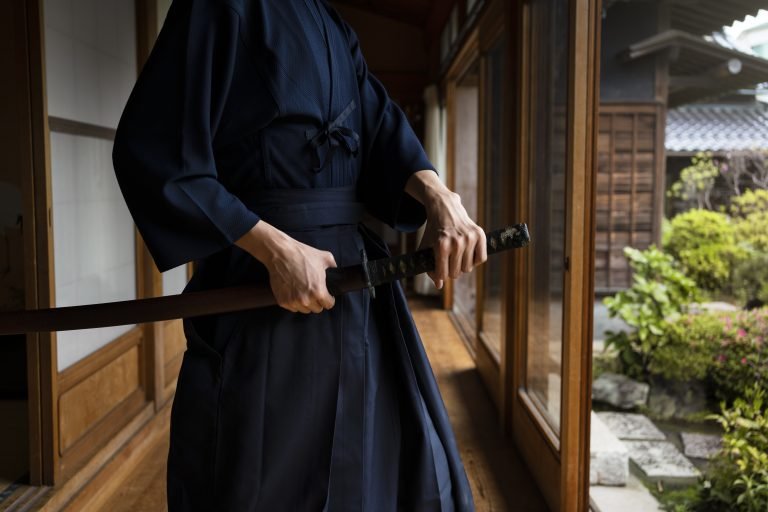
Samurai: The Warrior Class That Defined Japanese Values
The Samurai were far more than soldiers. They were an elite warrior class that formed the backbone of Japanese society for nearly 700 years. Bound by the principles of Bushidō—the Way of the Warrior—samurai embodied values such as loyalty, discipline, honor, frugality, and self-control. These values permeated not just the battlefield but also governance, education, and family life.
Samurai served their lords (daimyō) through military service, administrative duties, and political guidance. Their role extended beyond warfare; many samurai were scholars, poets, tea masters, and philosophers. The image of the samurai as both warrior and thinker contributed to Japan’s aesthetic refinement and intellectual traditions.
Bushidō formed the ideological core of samurai culture. It emphasized unwavering loyalty to one’s lord, courage in the face of death, and a commitment to moral integrity above personal gain. Even when firearms and modernization made samurai battlefield skills obsolete, their values remained deeply ingrained in Japanese culture. The samurai spirit was later invoked during nationalistic movements, including wartime propaganda in the early 20th century. Although modern Japan rejects militaristic interpretations of Bushidō, the underlying emphasis on discipline, responsibility, and societal harmony remains influential.
When the samurai class was officially dissolved after the Meiji Restoration, many former samurai became bureaucrats, teachers, and leaders in politics, industry, and the arts. Their values shaped the foundation of Japan’s modern institutions. The legacy of the samurai remains visible in everything from Japanese corporate culture to the education system and the national approach to discipline and duty.
How This Ancient Power Structure Still Shapes Modern Japan
Despite dramatic modernization and globalization, Japan’s social and cultural systems continue to reflect the influence of samurai, shogun, and emperor. Hierarchy remains deeply embedded in workplaces, schools, and family structures. Seniority is respected, loyalty to the group outweighs individual ambition, and decision-making often follows a top-down approach reminiscent of feudal command structures.
Modern Japanese companies retain aspects of samurai ethics, especially in terms of dedication to work, loyalty to employers, and the pursuit of excellence through discipline. The cultural emphasis on long-term commitment is rooted in feudal relationships between samurai and their lords. Teamwork, respect for authority, and consensus-seeking behavior mirror the structures of clan loyalty.
The presence of the Emperor, while ceremonial, continues to symbolize Japan’s cultural continuity. National rituals, festivals, and public holidays often trace their origins to imperial tradition. Even political stability and social order reflect the ancient desire for harmony and unity that defined earlier ruling systems.
The shogunate’s legacy can be seen in Japan’s administrative organization, regional governance, and urban planning. Tokyo’s central role in national politics and commerce originates from the Tokugawa era, when the city—then Edo—was the heart of shogunal power. Many cultural practices, such as the careful preservation of etiquette and formality, also trace their lineage to samurai and shogunal influence.
In contemporary Japan, the influences of all three—samurai, shogun, emperor—merge subtly into national identity, shaping attitudes toward authority, discipline, tradition, and social harmony. Understanding these origins offers insight not only into Japan’s past but also into the underlying mindset that defines its present.
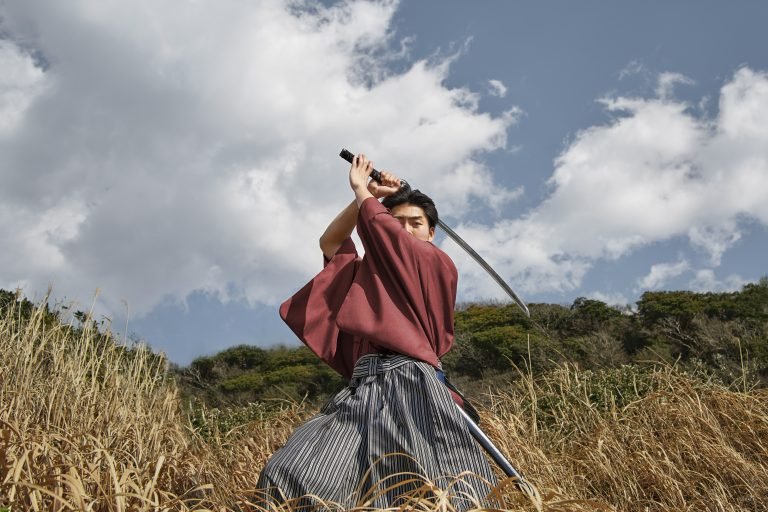
Exploring Japan with an awareness of this power structure transforms travel into a richer experience. Cities like Kyoto, Tokyo, Kamakura, and Kanazawa reveal their layered past when viewed through the lens of samurai and shogunal rule. Temples, shrines, castles, and historical districts become more than tourist attractions—they become living chapters of a long and complex story.
Kyoto remains the city of emperors and spiritual tradition. Tokyo is the legacy of the shogunate’s political power. Kamakura carries the memory of early warrior rule. Kanazawa preserves the elegance of samurai culture. Even modern business districts reflect hierarchical patterns shaped centuries ago.
Travelers can walk through former samurai districts, visit imperial shrines, explore shogunal castles, and sense how history still breathes through the architecture, attitudes, and rhythms of daily life. Japan’s past is not confined to museums; it is interwoven with the present, shaping both urban life and regional culture.
A Thousand Years of Power Still Alive Today
Japan’s identity cannot be separated from the power structure built by samurai, shogun, and emperor. These forces shaped politics, warfare, society, art, and philosophy for centuries. Even in a modern democratic era, echoes of this system remain visible in Japanese behavior, traditions, and institutions.
Understanding this dynamic offers deep insight into why Japan operates the way it does today. Behind the courtesy and efficiency, behind the calm order and disciplined routines, lies a heritage rooted in honor, hierarchy, and the enduring quest for harmony. Japan’s modernity does not erase its past; rather, the past continues to define the character of its modern world.

Comment (0)