

Seoul is often described as one of the most modern cities in the world. Skyscrapers rise above ancient palaces. High-speed internet connects millions in seconds. K-pop, fashion, and technology project confidence and global relevance. Yet beneath this surface lies a deeper truth. Seoul is not a postwar capital. It is a wartime capital that never transitioned into peace.
Seoul exists inside an unresolved conflict. The Korean War never officially ended. There was no peace treaty, only an armistice. This legal and psychological suspension defines the city’s character. Seoul is not shaped by memory of war alone. It is shaped by the continuous presence of war as possibility.
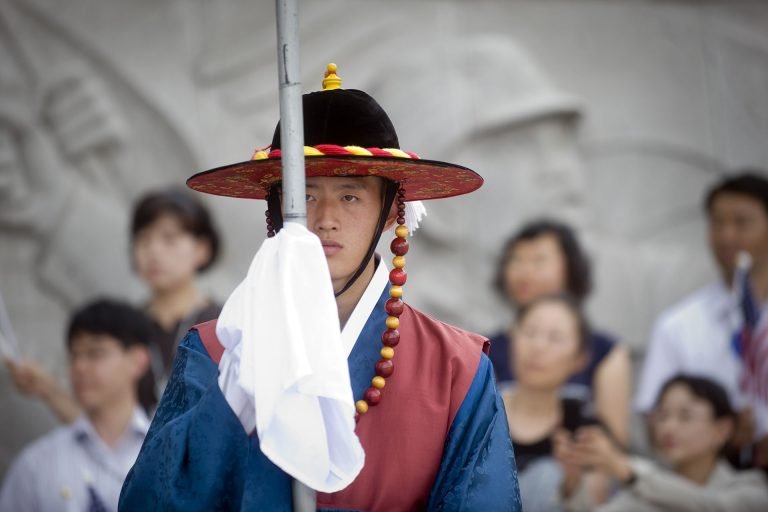
A South Korean military member stands in formation
Before the twentieth century, Seoul was a dynastic capital known as Hanyang, the political and symbolic center of the Joseon kingdom. It was a city of continuity, ritual, and Confucian order. That continuity was violently interrupted by colonial rule. Under Japanese occupation, Seoul was renamed, redesigned, and repurposed. Urban space became an instrument of empire.
Liberation in 1945 did not restore sovereignty. It created a vacuum. Seoul emerged from colonialism immediately divided by ideology and foreign influence. The city became the frontline of a global struggle before it could stabilize itself as a national capital.
When the Korean War began in 1950, Seoul became one of the most contested cities of the twentieth century. It changed hands multiple times. Civilians fled, returned, and fled again. Entire neighborhoods were erased. The destruction was not symbolic. It was total.
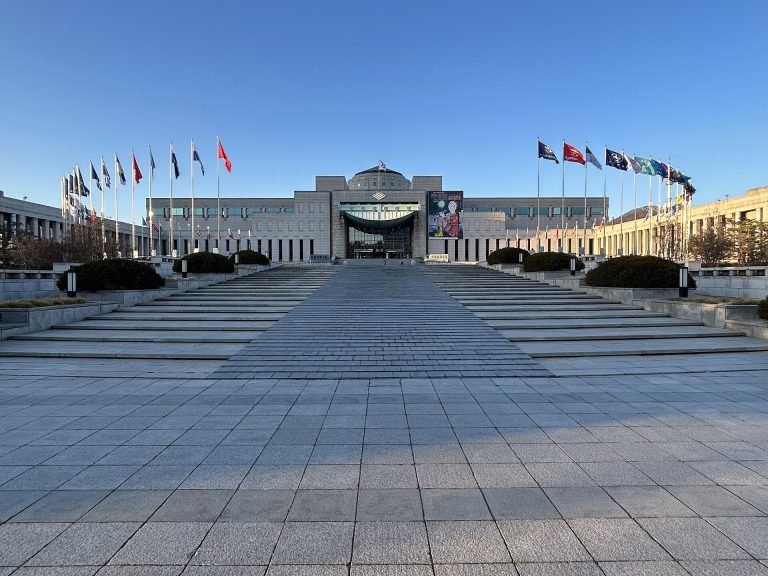
Seoul War Memorial honoring Korean War history
The war ended without ending. The armistice froze conflict rather than resolving it. Seoul was rebuilt quickly, but the conditions of peace never arrived. The city was reconstructed under constant threat. Defense planning became urban planning. Military readiness became daily routine.
In Seoul, the presence of war is normalized. Mandatory military service shapes male identity. Air-raid drills exist alongside shopping malls. Emergency broadcasts interrupt daily life without causing panic. The abnormal became ordinary.
The city’s explosive growth must be understood through this lens. Rapid industrialization was not just economic ambition. It was survival strategy. A strong economy was national defense. Infrastructure became deterrence. Speed replaced reflection.
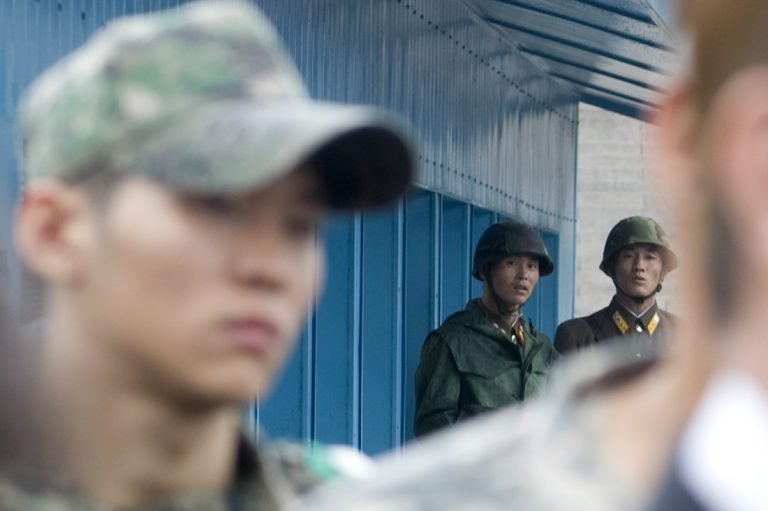
Demilitarized Zone near Seoul symbolizing unresolved conflict
Seoul developed vertically and densely because time felt scarce. War could return at any moment. Stability had to be built quickly. This urgency shaped architecture, labor culture, and social expectations. Efficiency became virtue. Fatigue became national condition.
Memory in Seoul is complicated. Colonial trauma, war trauma, and Cold War division overlap. Public memory often focuses on resilience rather than grief. Survival is celebrated. Mourning is private. Silence becomes respect.
Unlike cities that experienced war and then peace, Seoul never received narrative closure. There were no trials that settled guilt. No treaty that settled borders. No shared mourning that allowed release. History remains open-ended.
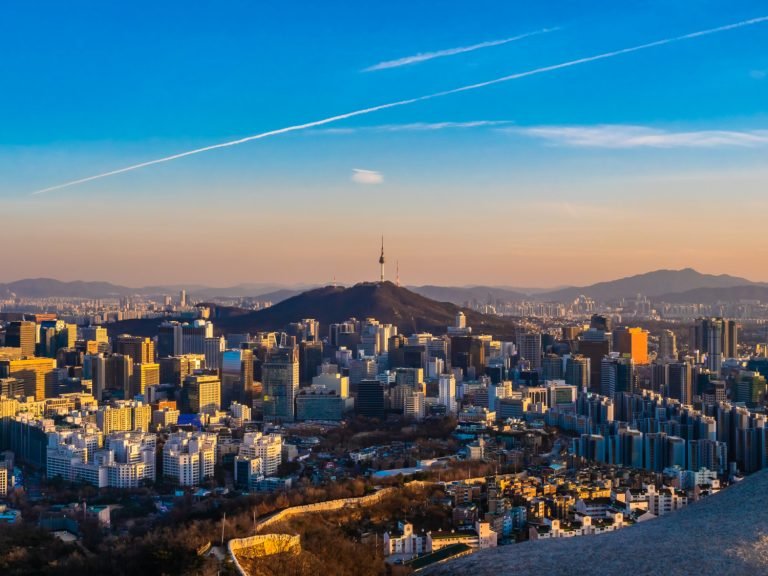
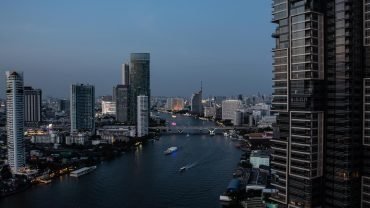
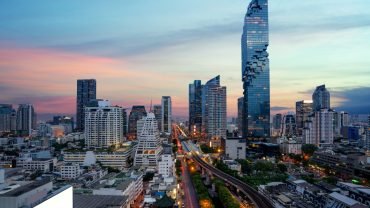
Modern skyline of Seoul built after wartime destruction
Seoul’s comparison to other postwar capitals highlights this difference. Cities like Berlin or Tokyo rebuilt within a framework of peace and alliance. Seoul rebuilt under armistice. The war remains legally active. The city remains strategically exposed.
This unresolved status influences politics, diplomacy, and identity. The Demilitarized Zone is not distant. It is close enough to be felt. Seoul lives with contingency as permanent condition.
Travelers often miss this layer. The city appears vibrant, creative, and forward-looking. Yet its rhythm is shaped by vigilance. Seoul does not forget because forgetting would feel dangerous.
Seoul is a capital built on unfinished war because the war is still part of its present tense. The city does not live after history. It lives inside it.
Understanding Seoul requires accepting this contradiction. Modernity without closure. Growth without peace. Energy without rest.
Seoul is not haunted by war. It is sustained by it.
Comment (0)