

Shanghai does not fit comfortably into China’s historical narrative. It never served as an imperial capital, never housed a ruling dynasty, and never claimed cultural authority over the nation. Yet no Chinese city has absorbed modern history as intensely or as visibly. Shanghai survived empire, war, and revolution not by embodying continuity, but by adapting faster than history could erase it. Its survival is not the story of preservation, but of transformation without collapse.
For most of its early existence, Shanghai was a regional port town on the edge of China’s political heartland. It lacked the prestige of Beijing or the cultural gravitas of Nanjing. Its importance came not from history, but from geography. Positioned at the mouth of the Yangtze River, Shanghai sat at the threshold between inland China and the world beyond.
This position would define its fate. When Western imperial powers forced China open in the nineteenth century, Shanghai became a focal point of foreign ambition. Unlike cities conquered outright, Shanghai was divided. Concessions carved the city into overlapping sovereignties. British, French, American, and later Japanese interests reshaped urban space according to global capitalism rather than imperial tradition.
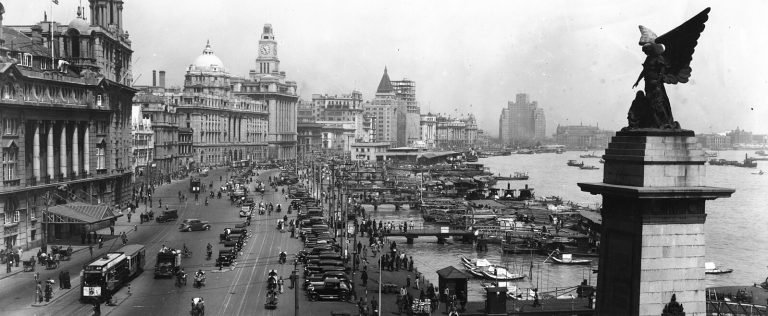
Historic Bund waterfront during colonial Shanghai
The result was a city unlike any other in China. Shanghai became simultaneously Chinese and foreign, modern and colonial, wealthy and unequal. Electric lights illuminated streets where poverty thrived. Banks and factories rose beside alleyways crowded with migrants. The city functioned as China’s gateway to the modern world, even as it exposed the costs of that exposure.
This division created opportunity and trauma in equal measure. Shanghai thrived economically while symbolizing national humiliation. For Chinese intellectuals and revolutionaries, the city represented everything wrong with semi-colonial China. Yet it also provided space for ideas, movements, and experiments that could not exist elsewhere. Shanghai incubated modern Chinese culture precisely because it was fractured.
War tested this fragile equilibrium. Japanese expansion in the 1930s turned Shanghai into one of the earliest battlegrounds of the coming global conflict. Fighting devastated districts, yet the city did not disappear. Parts of Shanghai remained operational even as war raged nearby. Survival required moral compromise. Collaboration, resistance, and neutrality existed side by side.
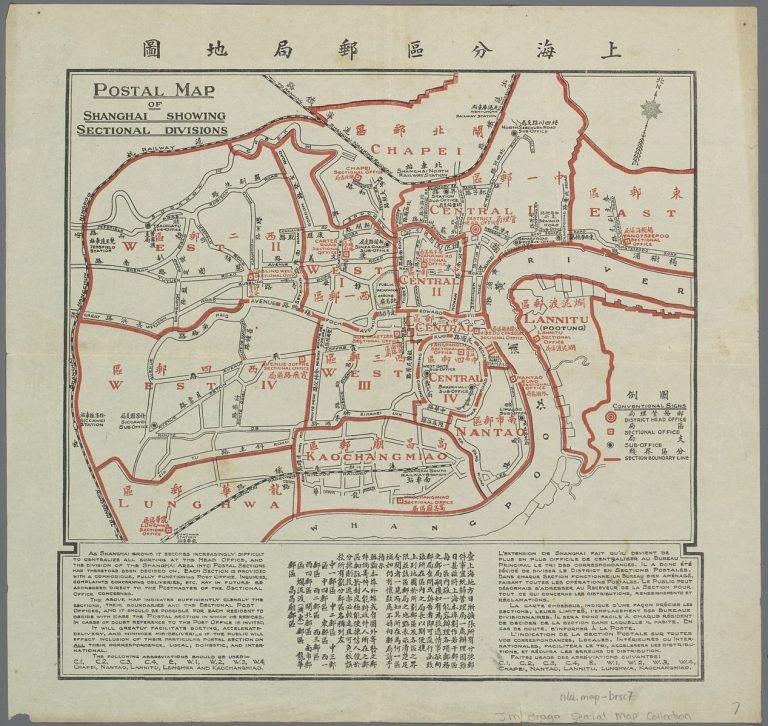
Map showing foreign concessions in old Shanghai
Occupation did not flatten Shanghai the way it destroyed other cities. Instead, it distorted daily life. Black markets flourished. Refugees poured in. Entertainment continued amid fear. The city adapted not because it was untouched, but because it learned to live under abnormal conditions. Shanghai survived war not through heroism alone, but through flexibility.
Revolution posed a different challenge. When communist forces took control in 1949, Shanghai faced ideological transformation rather than physical destruction. Unlike cities reduced to rubble, Shanghai’s problem was excess. It was too capitalist, too cosmopolitan, too foreign. The new regime sought to reshape the city without destroying its economic utility.
Factories were nationalized. Foreign influence expelled. Social life reorganized. Yet the city’s infrastructure, labor force, and global orientation remained. Shanghai did not resist revolution militarily. It absorbed it structurally. The city survived by becoming something else.
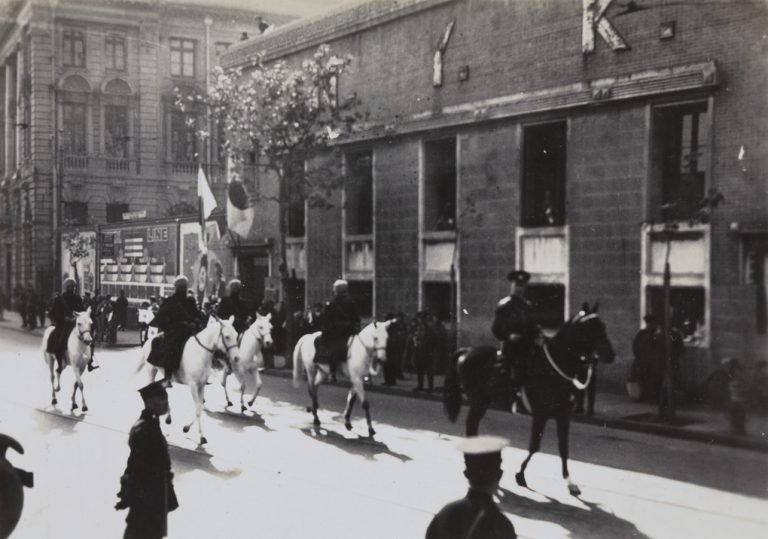
Shanghai streets during Japanese occupation
Under socialism, Shanghai was disciplined, productive, and restrained. Glamour disappeared. Efficiency replaced excess. The city’s role shifted from global gateway to industrial engine. Memory of its colonial past was suppressed, but not erased. Buildings remained. Streets retained their layout. History waited quietly.
The post-Mao era reawakened Shanghai’s latent identity. As China reopened to the world, the city reemerged as a symbol of ambition. Skyscrapers rose where ideology once limited growth. The skyline transformed rapidly. Yet beneath the glass and steel, older layers persisted.
Walking through Shanghai today is to move through time. Colonial-era buildings along The Bund face futuristic towers across the river. Former concessions house cafés, galleries, and apartments. Neighborhoods retain patterns established long before modern China existed. The city does not hide its contradictions. It displays them.
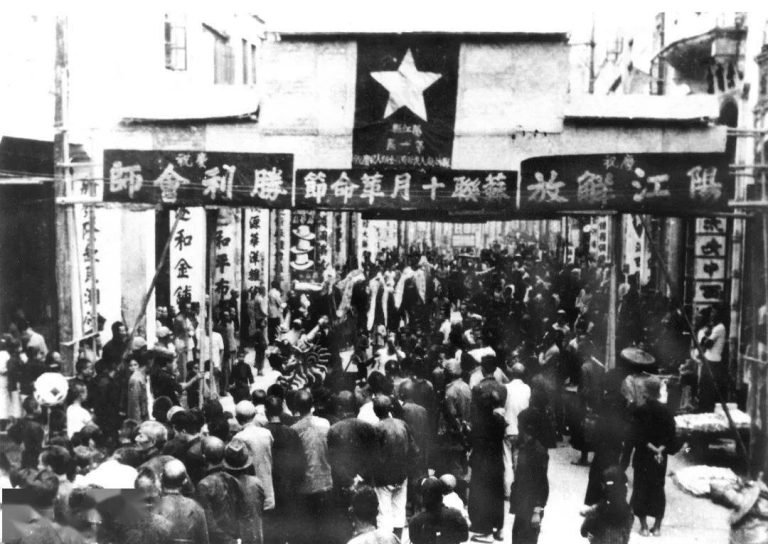
Shanghai during the 1949 communist takeover
Shanghai’s survival matters because it challenges linear history. Empire did not end it. War did not erase it. Revolution did not purify it. Each force reshaped the city, but none defined it fully. Shanghai exists in tension with the idea of a singular national narrative.
This tension explains why Shanghai still feels different. It is Chinese, but not traditional. Modern, but not Western. Controlled, yet restless. Its identity is not inherited. It is constructed continuously. The city survives by refusing to settle.
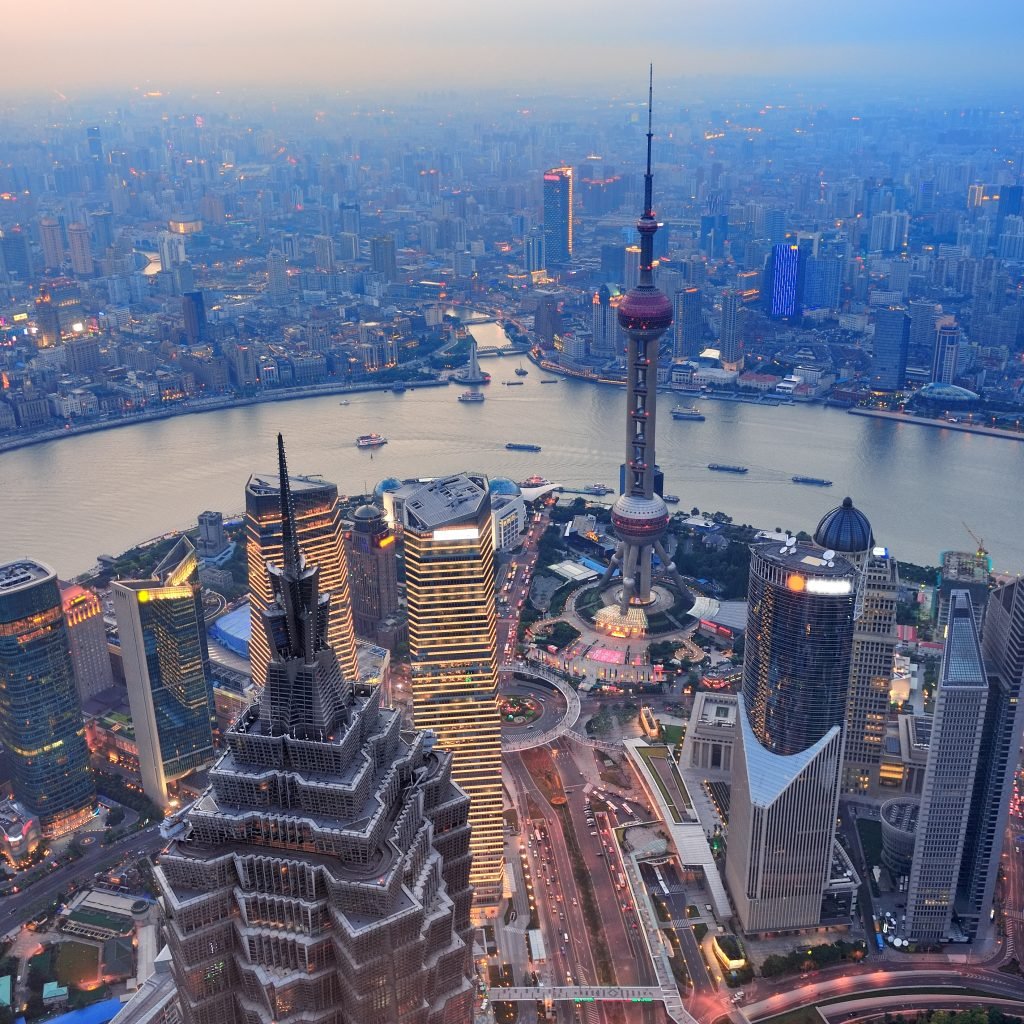
Modern Pudong skyline symbolizing Shanghai’s revival
Travelers sense this immediately. Shanghai feels global without being generic. It feels historical without being nostalgic. The city’s past is visible, but not staged. Memory here is architectural rather than ceremonial. History is not explained. It is encountered.
Shanghai survived because it learned to belong everywhere and nowhere at once. That skill allowed it to endure forces that destroyed other cities. It also ensures that Shanghai will never fully belong to any single story.
This is why Shanghai matters to modern China and to the world. It demonstrates that survival does not require purity or permanence. It requires adaptation without surrender.
Empire came. War came. Revolution came. Shanghai remained.
Comment (0)