

Japan is one of the few countries in the world where people routinely practice two religions without seeing any contradiction between them. A child may be taken to a Shinto shrine for a blessing at birth, celebrate festivals tied to ancient nature spirits, marry beneath Shinto rituals, and yet hold a Buddhist funeral when life ends. This coexistence confuses many outsiders who expect belief systems to compete. In Japan, Shinto and Buddhism do not clash. They coexist, overlap, and together form the spiritual backbone of Japanese identity.
To understand Japan, one must understand this dual spiritual structure. Shinto and Buddhism are not simply religions in the Western sense. They are ways of seeing the world, understanding nature, life, death, purity, and impermanence. Their interaction shaped Japanese culture, politics, art, and even modern behavior. They also shaped the landscapes travelers walk through today, from quiet forest shrines to incense-filled temples.
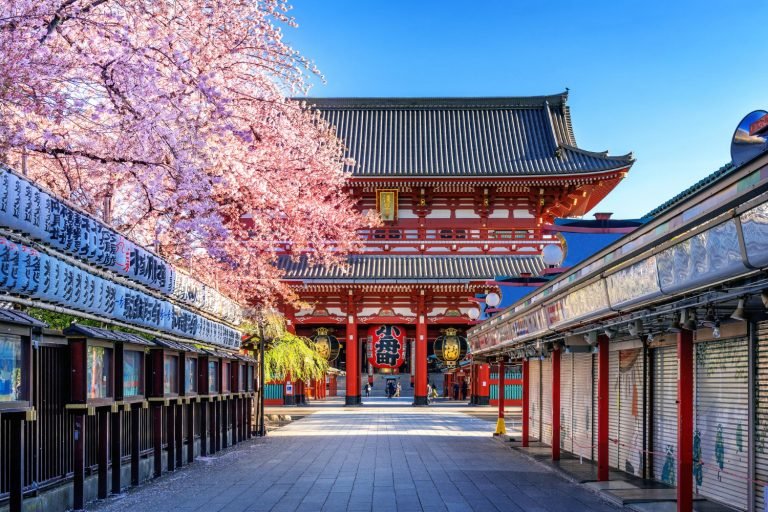
Shinto is older than history itself in Japan. It did not begin with scriptures or founders. It emerged naturally from the land. Before Japan was a nation, before writing systems arrived, people lived among mountains, rivers, forests, and seas that felt alive and unpredictable. Shinto grew from this intimacy with nature. It is not a religion of doctrine, but of presence. The world is filled with kami, spirits that inhabit natural phenomena, ancestral forces, and places of power.
Kami are not gods in the Western sense. They are not omnipotent creators. They are expressions of energy, emotion, memory, and awe. A waterfall, an ancient tree, a mountain, or even a historical figure may become kami if it inspires reverence. Shinto is therefore less about belief and more about relationship. Humans do not dominate nature. They coexist with it.
Buddhism entered Japan in the sixth century through Korea and China, bringing with it a radically different worldview. Where Shinto focused on life, purity, and harmony with the natural world, Buddhism confronted suffering, impermanence, and the illusion of the self. It offered philosophical systems, scriptures, monastic discipline, and methods for liberation from suffering. Rather than replacing Shinto, Buddhism provided answers to questions Shinto did not ask, especially about death and the afterlife.
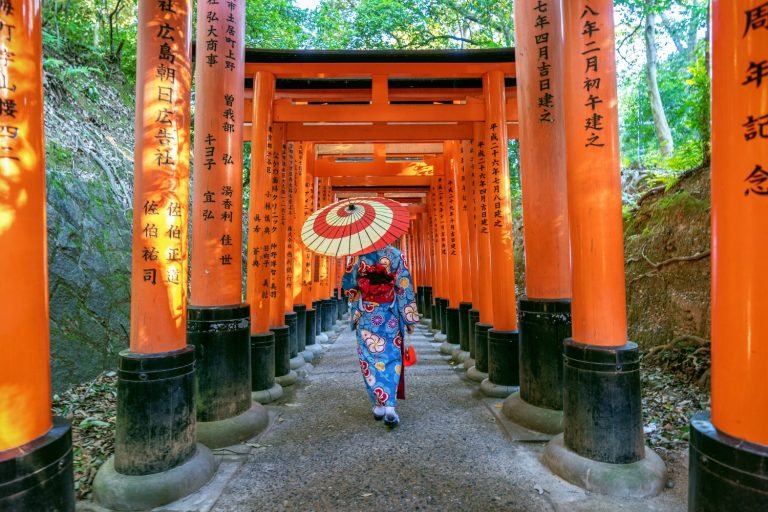
The arrival of Buddhism transformed Japan. Temples were built, art flourished, and new schools of thought developed. Buddhism became deeply embedded in state structures, education, and philosophy. Yet it did not erase Shinto. Instead, the two traditions merged. Kami were interpreted as local manifestations of Buddhist truths, and Buddhist figures were seen as universal expressions of spiritual reality. This fusion allowed Japan to absorb Buddhism without abandoning its native worldview.
For centuries, Shinto shrines and Buddhist temples existed side by side, often within the same sacred complexes. This blending shaped Japanese spirituality into something uniquely flexible. People did not choose one path over the other. They moved between them depending on the needs of life. Shinto guided beginnings, celebrations, and harmony with the living world. Buddhism guided endings, reflection, and acceptance of impermanence.
This harmony was disrupted in the modern era. During the nineteenth century, Japan’s leaders sought to redefine national identity. Shinto was separated from Buddhism and elevated as a state ideology. Buddhism lost political power, and the two traditions were officially divided. Yet centuries of shared practice could not be undone. In daily life, Japanese people continued to move fluidly between shrine and temple.
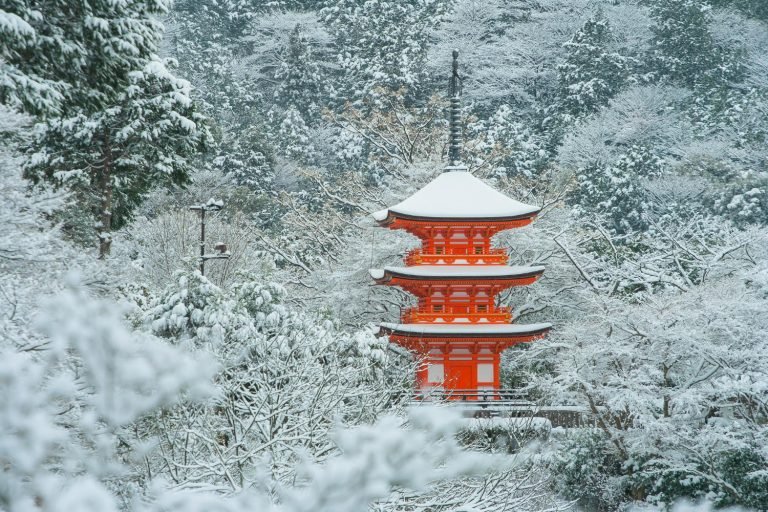
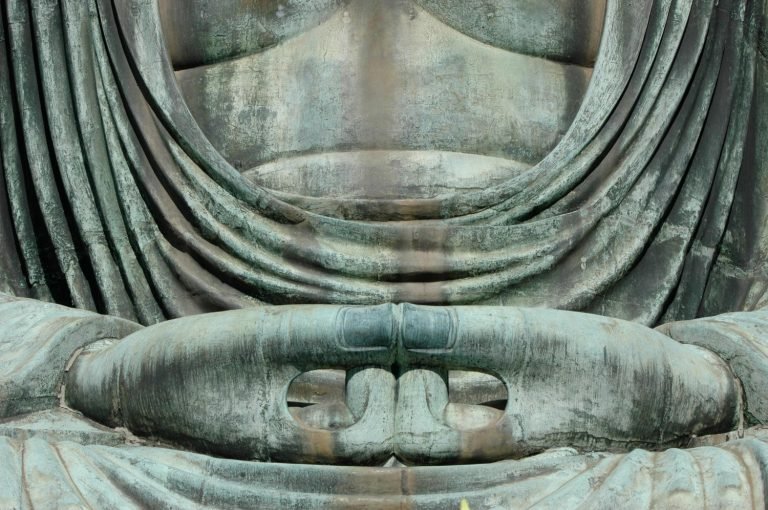
Today, this duality remains visible everywhere. A Shinto shrine feels open, bright, and alive. Torii gates mark the transition from the ordinary to the sacred. Water is used for purification. Nature is central. A Buddhist temple feels enclosed, contemplative, and inward-looking. Incense fills the air. Statues of Buddha and bodhisattvas invite reflection on suffering and compassion. Neither space is superior. They serve different spiritual needs.
For travelers, understanding this distinction transforms how Japan is experienced. Visiting a shrine is not about worship in the Western sense. It is about presence, respect, and gratitude. Visiting a temple is not about belief, but contemplation. When approached with understanding, these spaces reveal how Japanese culture balances life and death, joy and loss, permanence and change.


Comment (0)