3 hours
No Cancel
10 people
English, Japanese
Far from the neon lights of Tokyo and the sea of temples in Kyoto lies a region of expansive forests, rugged mountains, drifting snow, and deep indigenous history—Hokkaido. To truly understand this northern frontier of Japan is to traverse the landscapes that shaped both the land and its people.
At the Hokkaido Museum, visitors encounter an immersive gateway into this world—spanning ancient geology, unique ecosystems, the heritage of the indigenous Ainu people, and centuries of natural and cultural transformation.
This museum isn’t just a building filled with objects. It’s a living narrative of how land and humanity co-evolved, where ice age fossils rest beside Ainu ceremonial artifacts and interactive displays show how Hokkaido’s forests breathe.
Planetale invites you to explore this experience as more than a visit—it’s a journey through time, terrain, and human stories.
To understand Hokkaido, we begin well before human settlement—millions of years ago, when shifting tectonic forces pushed volcanic peaks skyward, shaped expansive river valleys, and carved islands apart from the Eurasian mainland.
This primordial story is at the heart of the museum’s geological exhibits:
Lava flows and volcanic landforms
Ancient fossil records from the Ice Age
Glacial features etched in the earth
Tsunami-shaped coasts and sea cliffs
Changing flora and fauna over epochs
These exhibits are not static displays—they are portals into the deep time that shaped Hokkaido’s landscapes long before people ever walked them.
Hokkaido’s climate is marked by dramatic seasons—long snowy winters, cool summers, vibrant autumn foliage, and rebirth in spring. The Museum’s natural history halls bring these rhythms to life:
Immersive dioramas of wild deer and brown bears
Seasonal bird migrations that crisscross the skies
River ecosystems teeming with fish and insects
Mountain forests where life adapts to harsh snow and sun
It’s here that visitors realize: Hokkaido is not simply a place—you feel it.
And the Museum helps you interpret that sensation, turning observation into understanding.
While Japan’s common narrative often centers on its more southerly islands, the Ainu are the indigenous people whose history, language, and spiritual traditions are inseparable from Hokkaido’s identity.
The Hokkaido Museum honors this heritage through deep, respectful exhibitions that explore:
Traditional Ainu beliefs connected to nature
Ceremonial clothing, tools, and symbols
Oral narratives and folk songs
Carvings and textiles that speak of “kamuy” (spirits)
Seasonal cycles of hunting, fishing, gathering, and storytelling
Here, the museum becomes more than a repository—it becomes a space of cultural continuity, where visitors don’t just see history, but hear its echoes.
The museum also traces how waves of settlement changed the land:
Early hunter-gatherer cultures
Agricultural expansion and trade routes
Contact with mainland Japan
Meiji era colonization and modernization
Development of cities like Sapporo and Hakodate
Artifacts, maps, and interactive screens guide visitors through the human story of Hokkaido:
from isolated villages to booming port cities, from remote wilderness to a hub of cultural exchange.
One of the greatest strengths of the Hokkaido Museum is how it turns learning into experience:
Tactile exhibits that let you touch geological samples
3D visualizations of Ice Age megafauna
Interactive displays on climate change and ecosystems
Kid-friendly zones for exploring animal tracks, nests, and habitats
This is a museum that respects both academic depth and joyful curiosity.
Planetale believes travel shouldn’t just be seen—it should be understood, felt, and questioned. The Hokkaido Museum fulfills that ideal.
Walk through Hokkaido’s deep-time narrative—from molten crust to glacial plains—through fossils, models, and layered timelines.
Animals of all sizes—from Arctic foxes to majestic deer—are presented alongside explanations of seasonal patterns and climatic adaptation.
Artifacts, legends, and spiritual expressions surface here with dignity and depth, revealing Hokkaido’s indigenous roots.
From Jomon-era coastal villagers to frontier towns of the modern era, this hall bridges past to present.
Perfect for families and curious minds, this area uses hands-on simulations to make complex ideas accessible.
In Planetale’s view, museums are not monuments to the past—they are mirrors for the present and sunlight for the future.
The Hokkaido Museum does exactly that by:
Revealing how landscapes shape cultures
Showing how climate and nature influence human life
Bridging indigenous and contemporary narratives
Encouraging reflection about our place in time
Here, visitors don’t just watch history. They step into it.
Continue into the human stories section, viewing personal artifacts, survivor testimonies, and emotional accounts that define the heart of the museum.
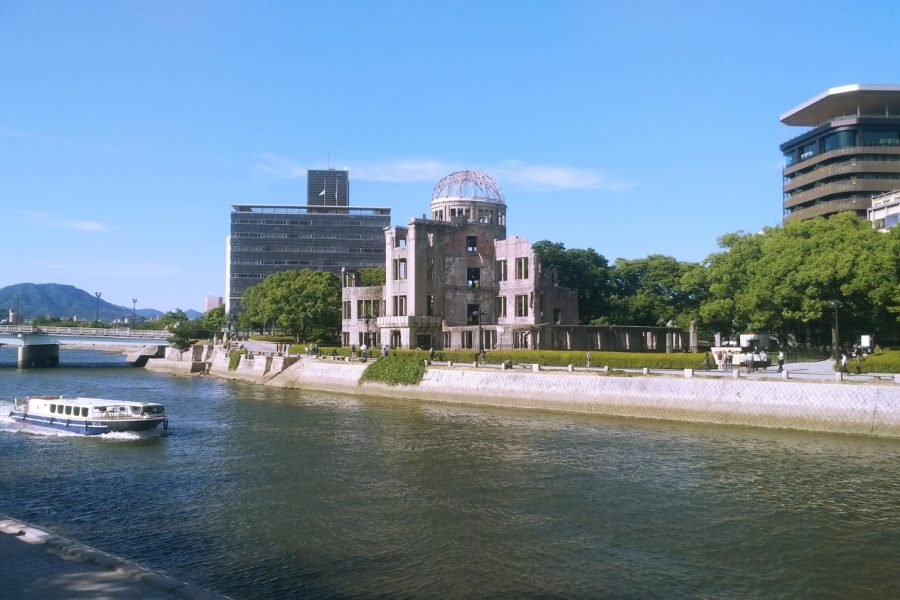
Explore the final exhibits focusing on radiation effects, Hiroshima’s reconstruction, and the global peace movement. Conclude your visit with time for reflection in Peace Memorial Park.
Most visitors spend 2–3 hours exploring all zones.
Yes—interactive displays make it fun and educational for kids.
Yes, many exhibits include English signage and audio guides may be available.
Photography is allowed in most areas, but be mindful of signage.
Yes—facilities are designed to be accessible to all visitors.



Leave a review