China — Ancient Civilizations, Imperial Power & War History That Shaped Asia
China is the country that changed the way I understand Asia. Before I ever set foot in Beijing or Shanghai, I had read about dynasties, emperors, and ancient philosophies. But traveling through China turned those stories into something alive. Every step felt like walking through a long, unbroken timeline — from prehistoric settlements to World War battlegrounds to the fast-moving megacities of today. This is my personal guide to China travel history, written for travelers who want depth, context, and emotional meaning behind every place they explore.
China’s story stretches back thousands of years. Standing at the edges of the Yellow River Basin — the cradle of Chinese civilization — I felt how everything started here. The early kingdoms of Xia, Shang, and Zhou laid foundations for philosophy, governance, and culture that still influence the world today.
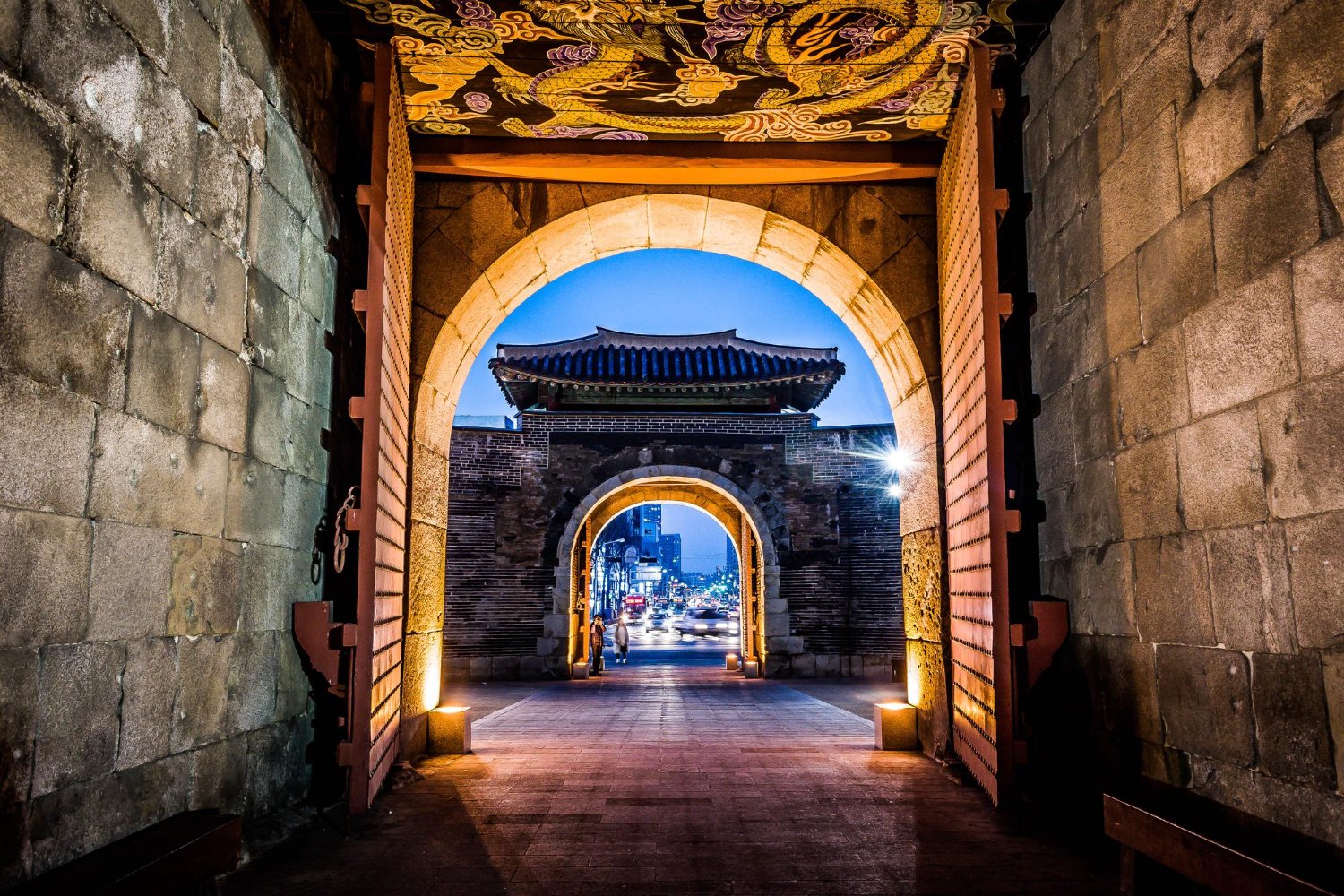
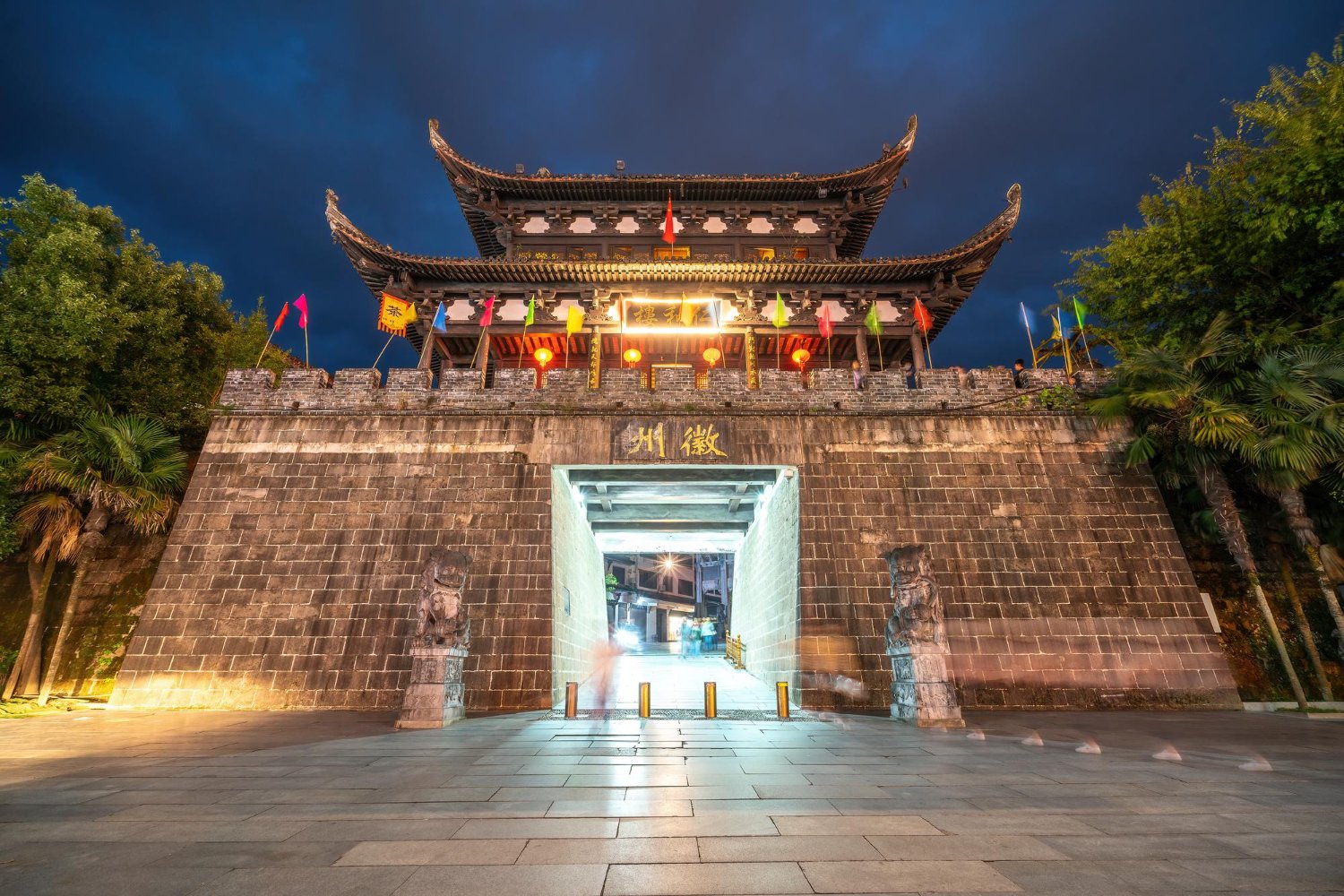
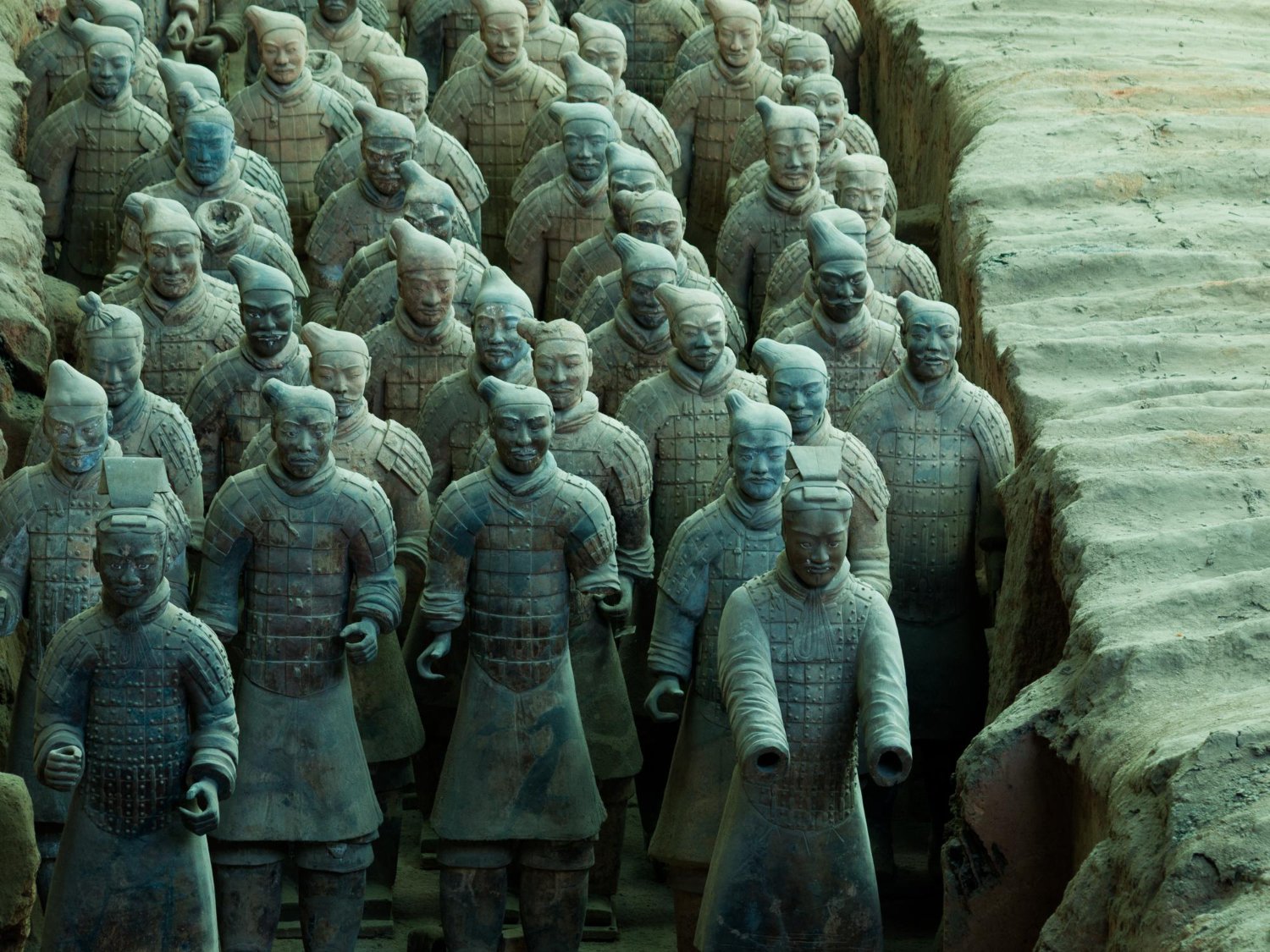
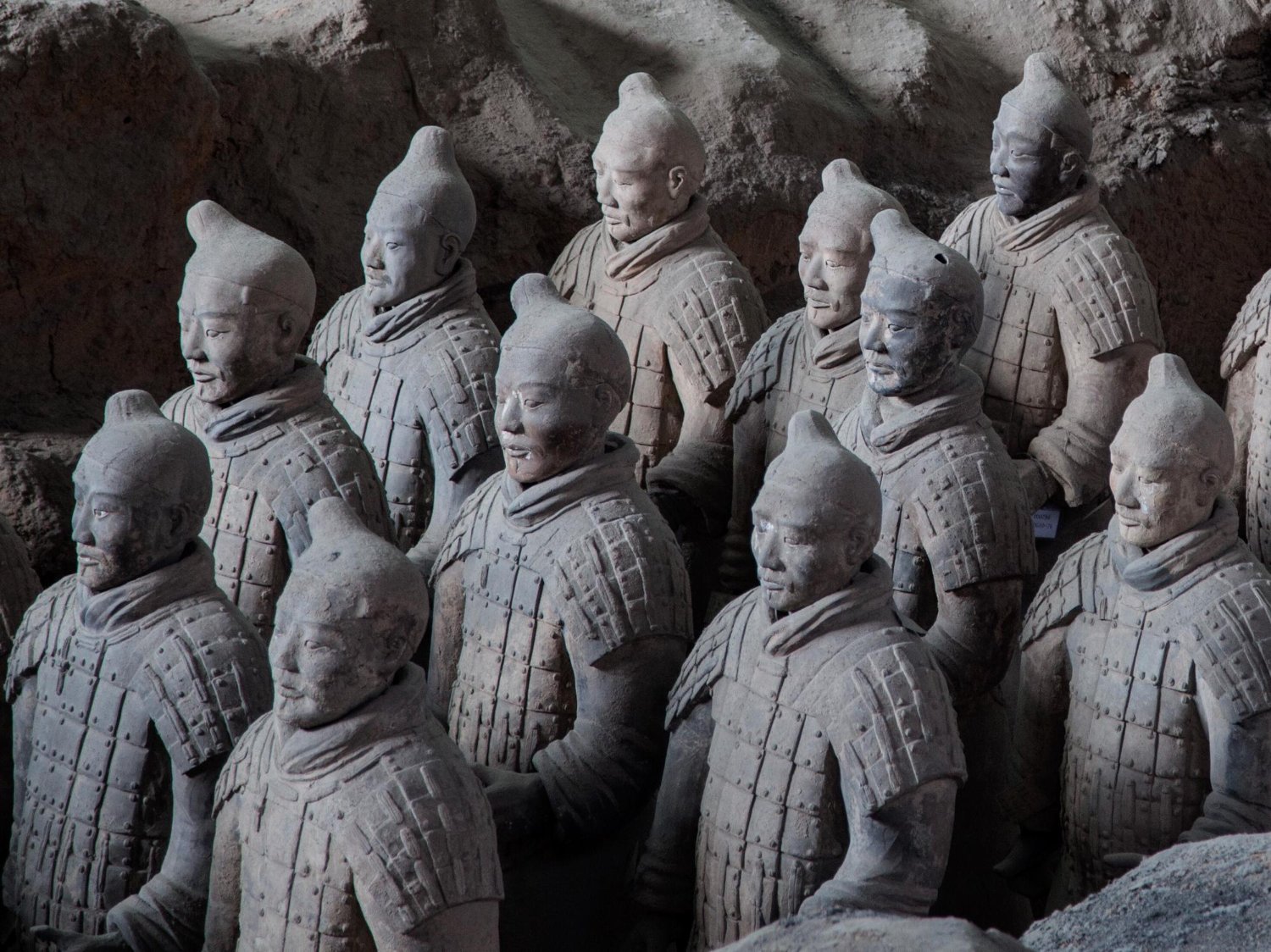
Walking inside Xi’an’s ancient walls, staring at the Terracotta Army’s silent soldiers, I understood why China’s empires grew so powerful. Imperial roads, ceremonial gates, bronze relics, and timeless rituals all reveal a civilization obsessed with knowledge, order, and innovation.
Every city felt like a chapter: Luoyang with its dynastic relics, Anyang with mysterious oracle bones, and Xi’an — where the Silk Road once carried ideas, goods, and people across continents. China is not just a country; it is a living timeline stretching across 5,000 years.
War shaped China as much as dynasties did. And it’s impossible to understand China travel history without confronting its war-time memories.
My strongest emotions came from Nanjing. The city carries deep scars from World War II — stories etched into memorial halls, silent sculptures, and survivor diaries. Standing inside the Nanjing Massacre Memorial felt heavy, like history pressing against my chest.
Further north, Harbin reveals a different layer of conflict through Russian fortresses and Japanese occupation sites. And on the outskirts of Beijing, the Lugou Bridge — where the Second Sino-Japanese War began — still feels like a quiet battlefield.
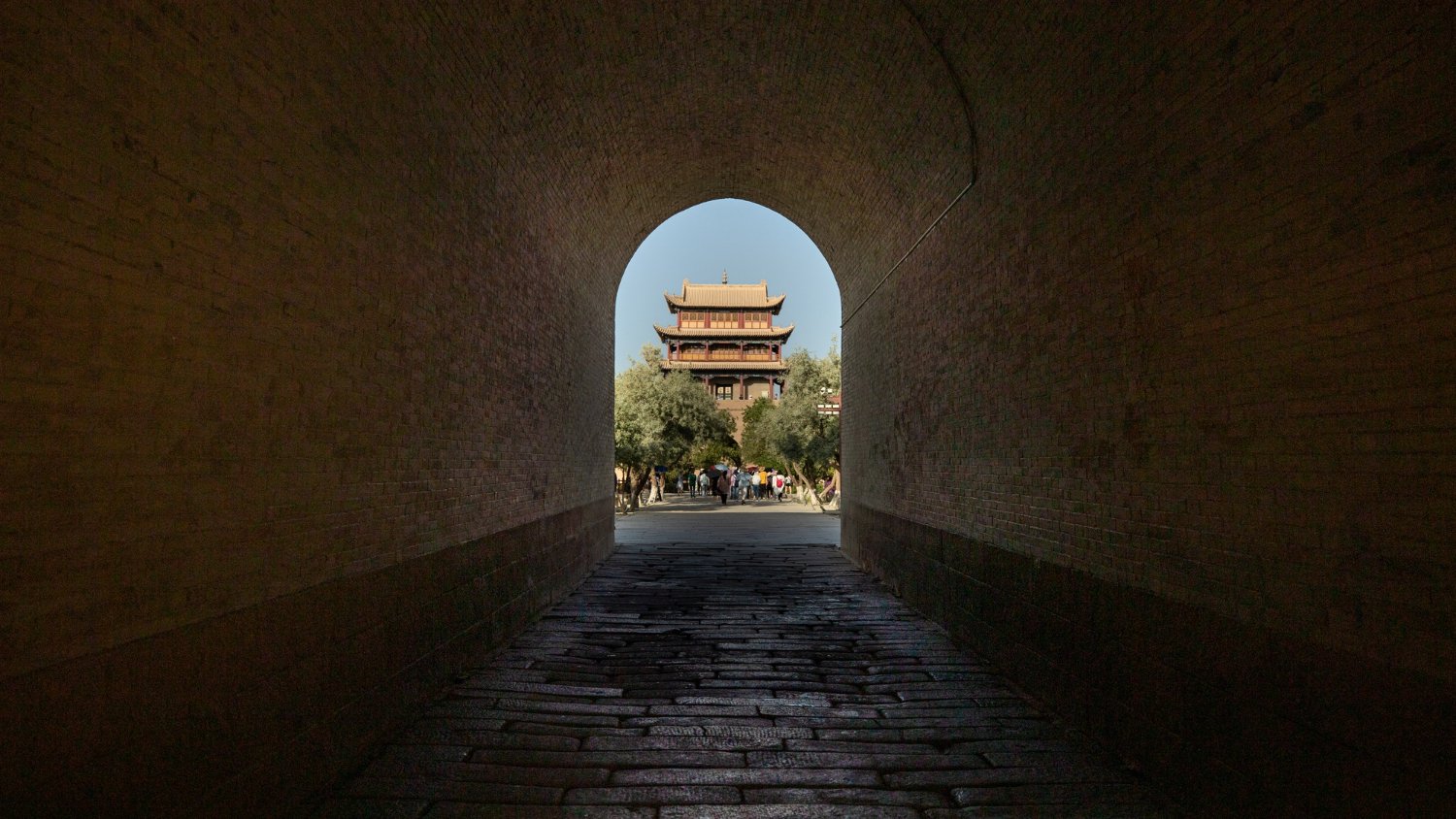
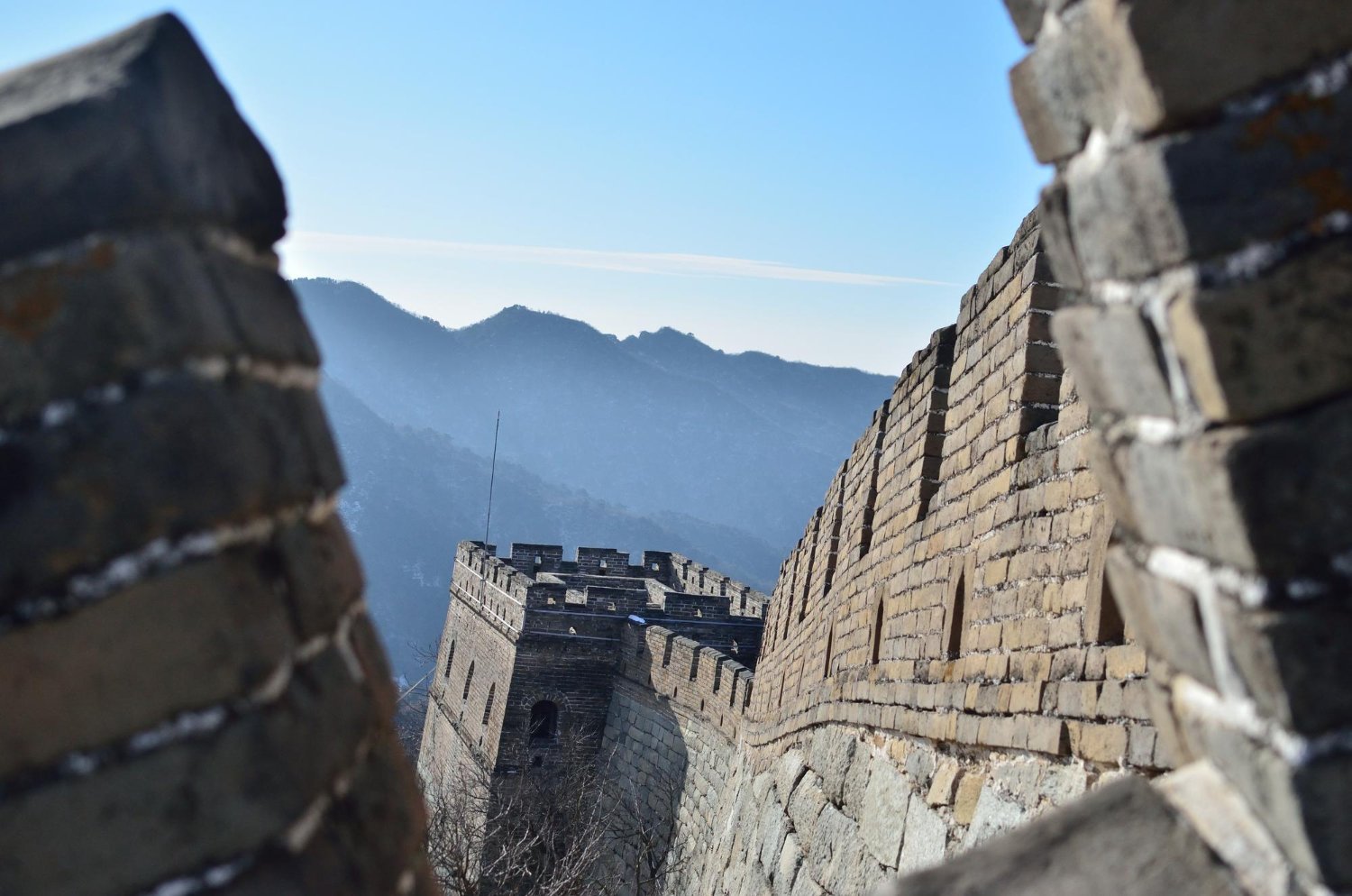
Even places we romanticize, like the Great Wall, were born from fear of invasion and centuries of military struggle.
China’s war history is vast, tragic, and transformative — a reminder of resilience forged through unimaginable loss.
Imperial China Dynasties of Power, Art & Philosophy
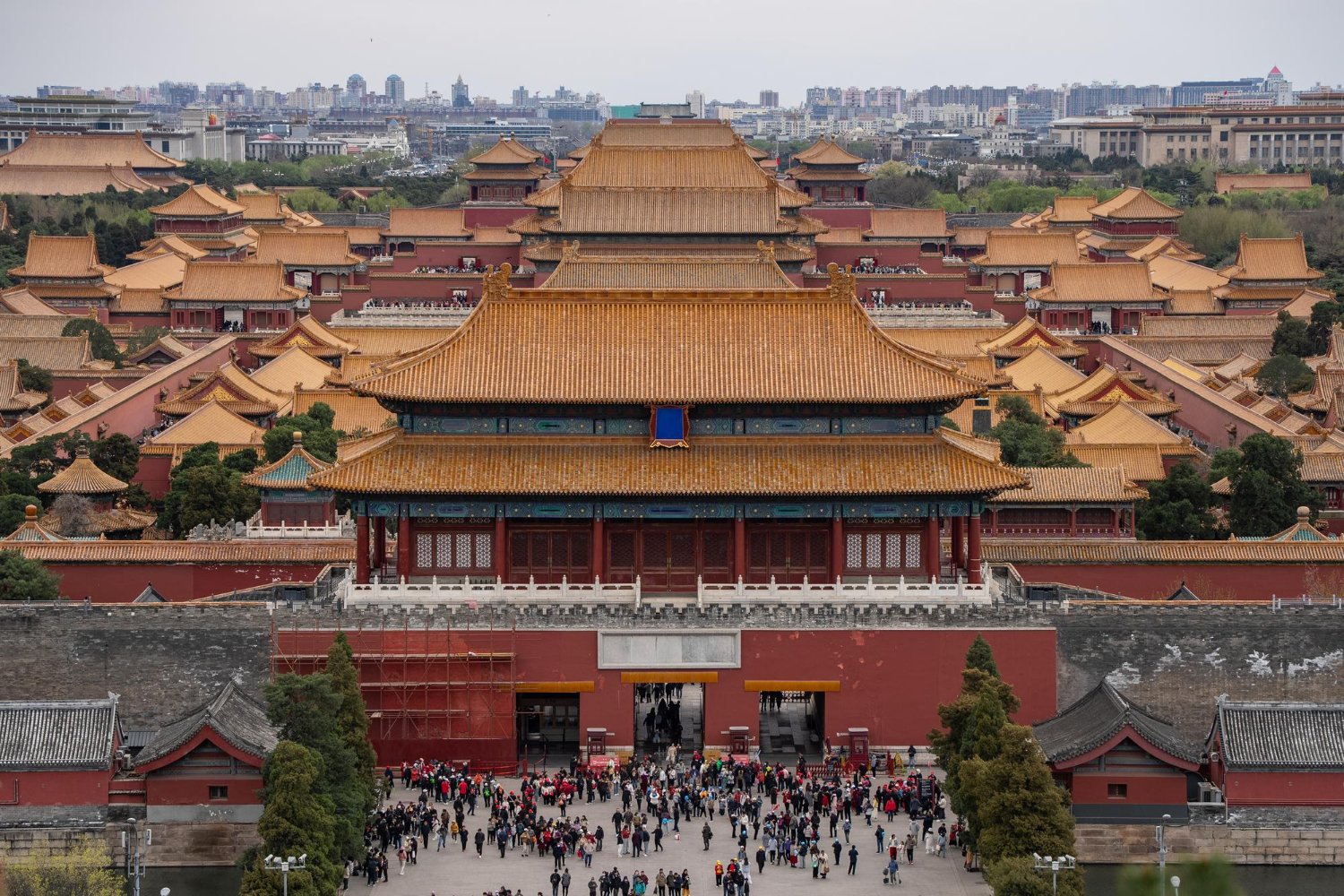
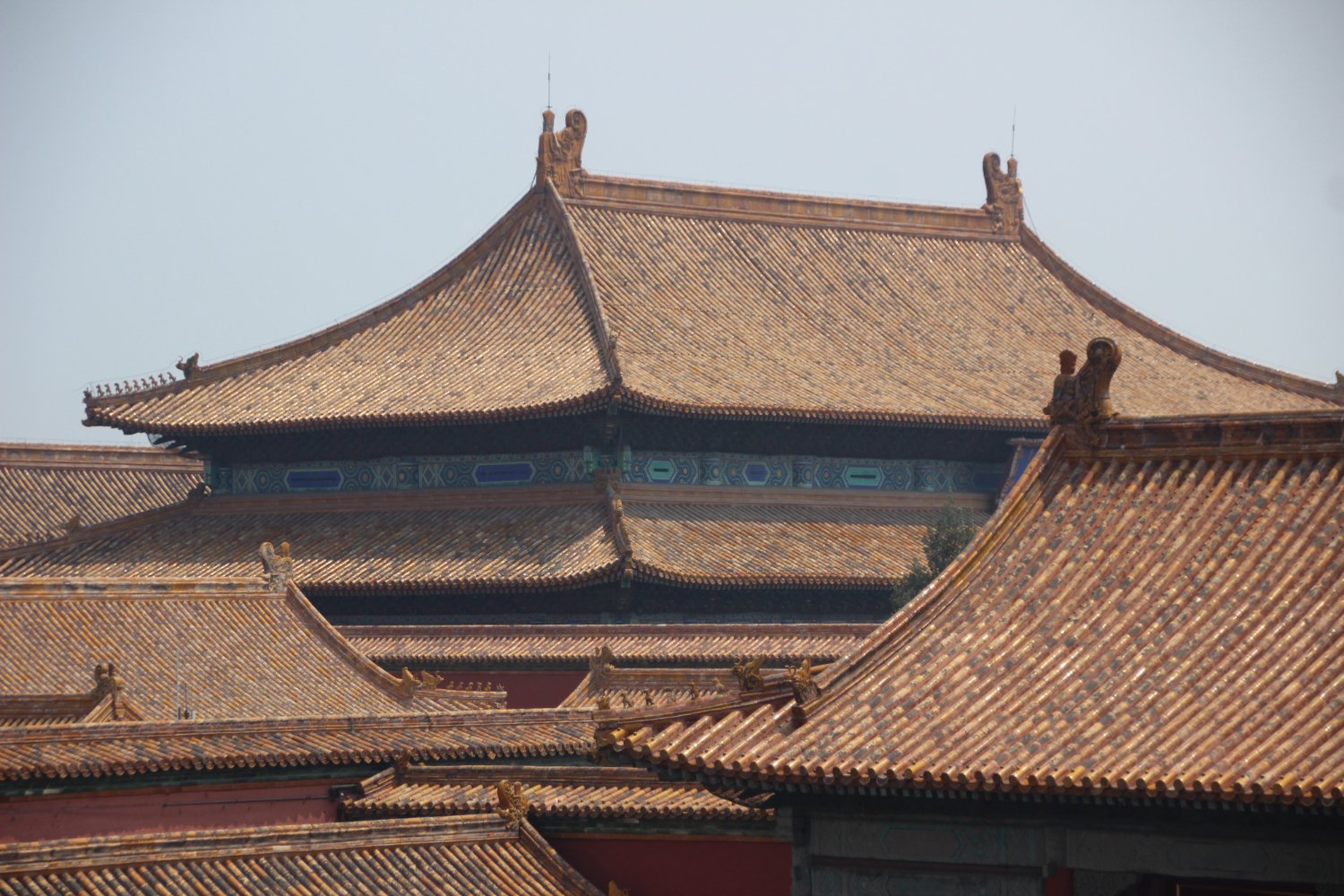
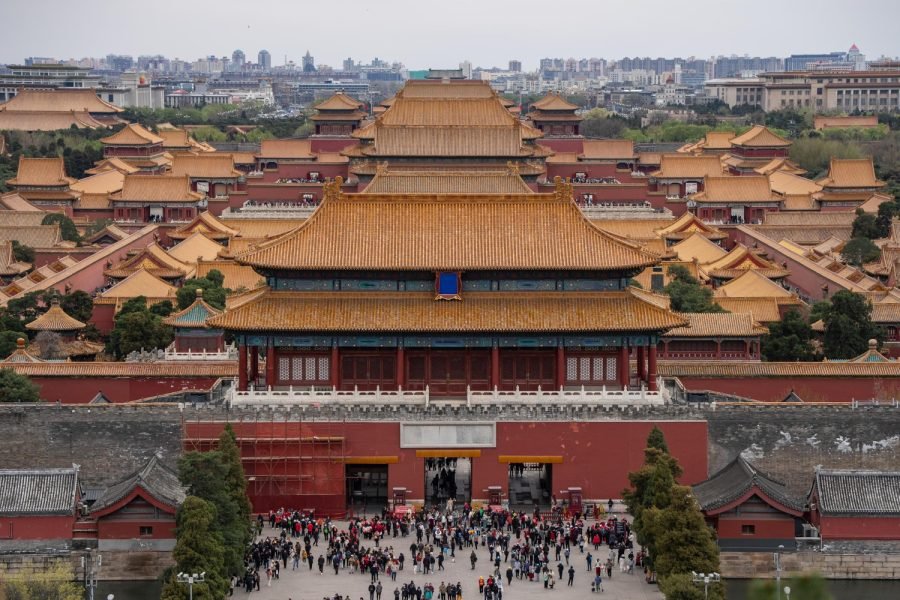
When I walked through the Forbidden City for the first time, golden roofs glittered in the sun, creating a world where emperors ruled with absolute authority. It’s one thing to read about the Ming or Qing dynasties; it’s another to stand where they once stood.
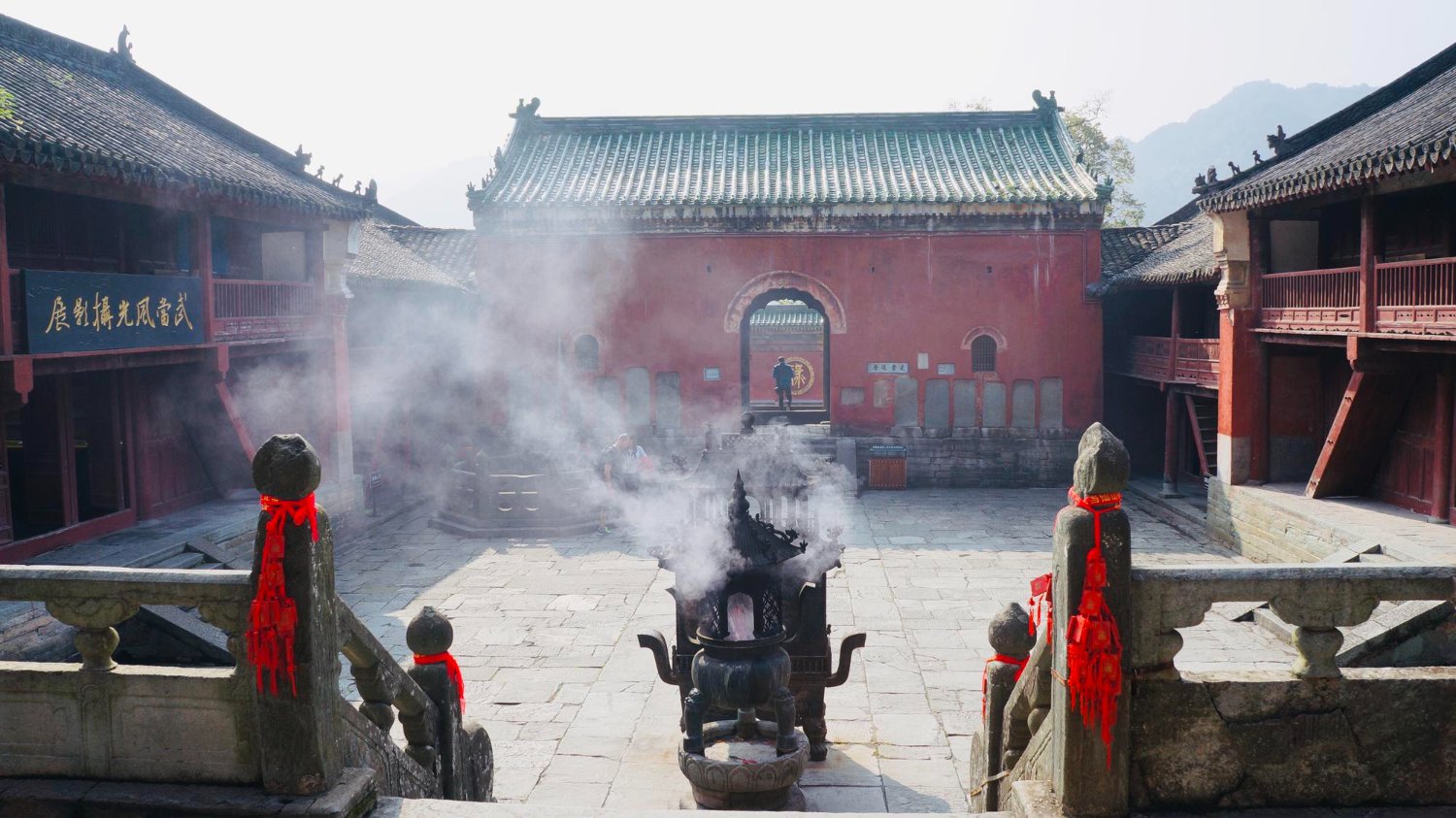
Confucian teachings echo through quiet courtyards. Tang poems feel alive in calligraphy halls. Ming palaces rise like stories carved into stone. Qing gardens breathe elegance through bamboo shadows and koi ponds.
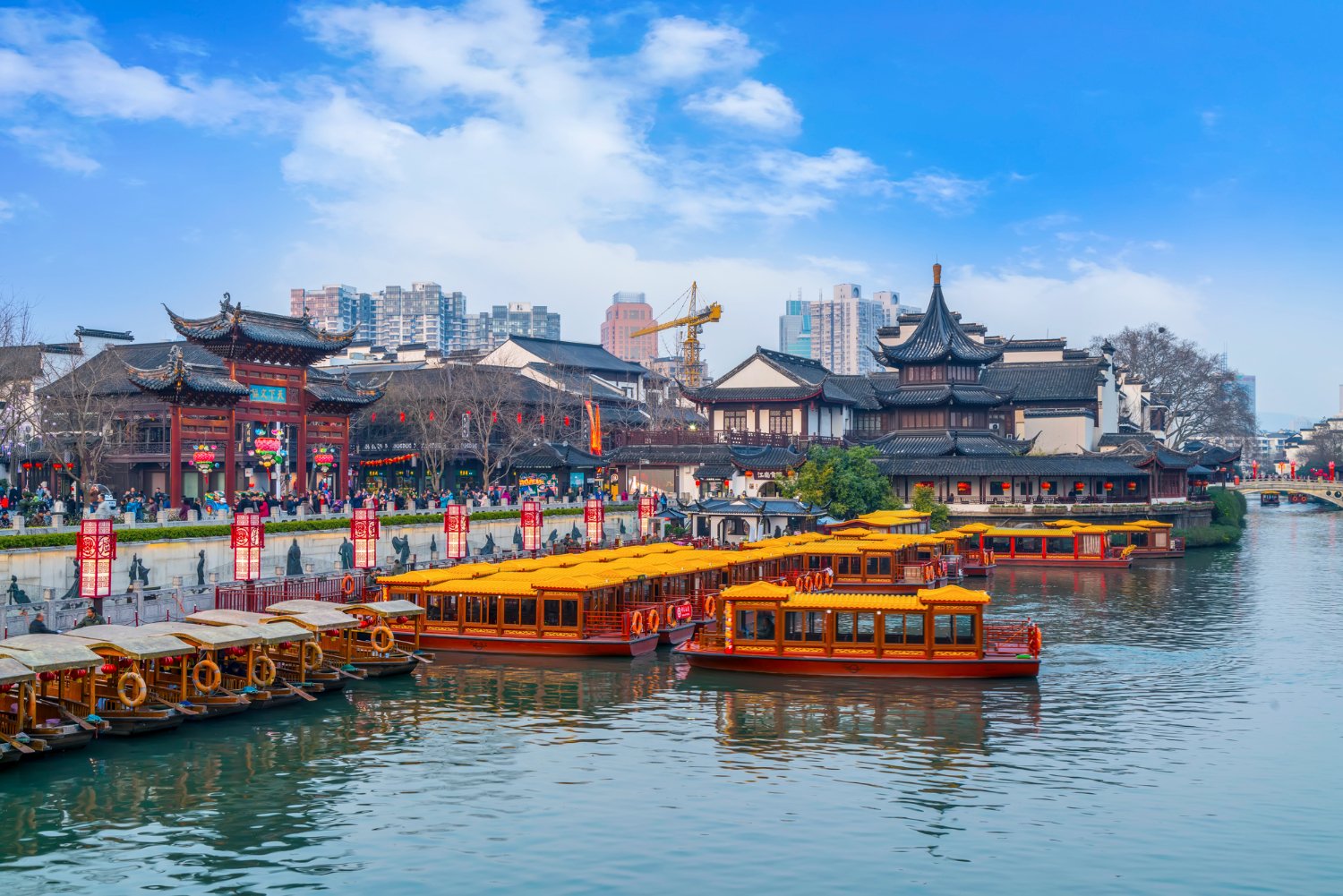
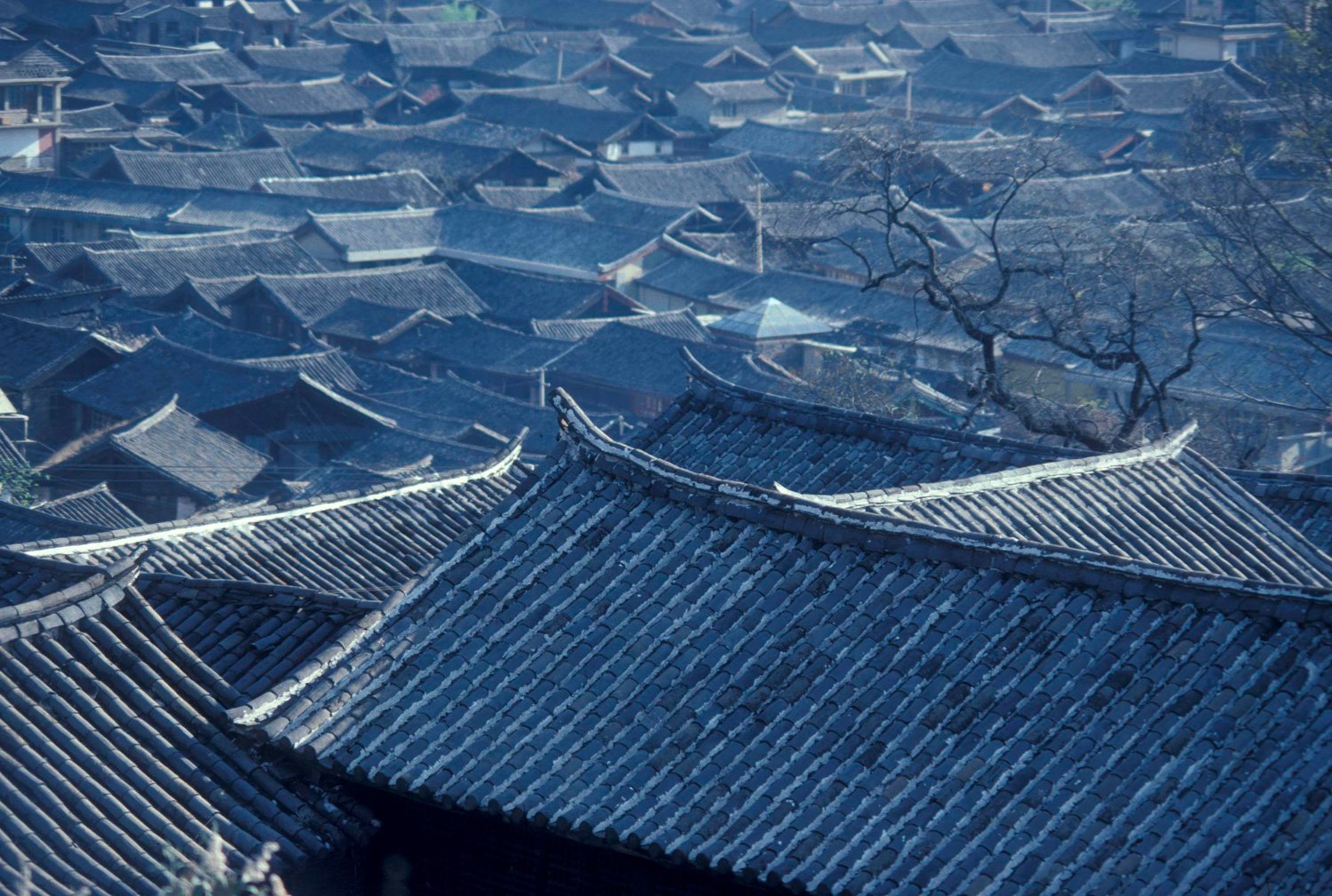
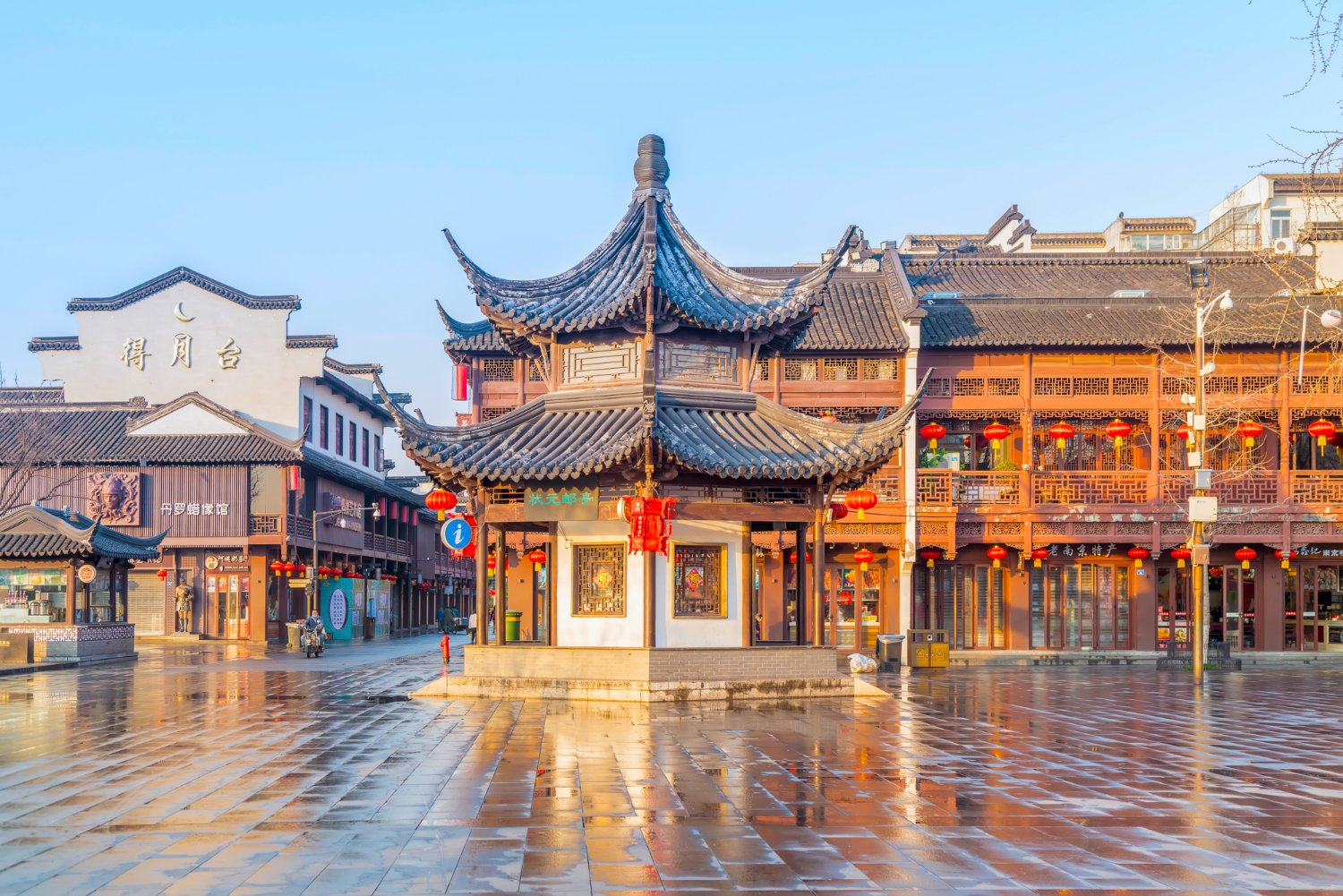
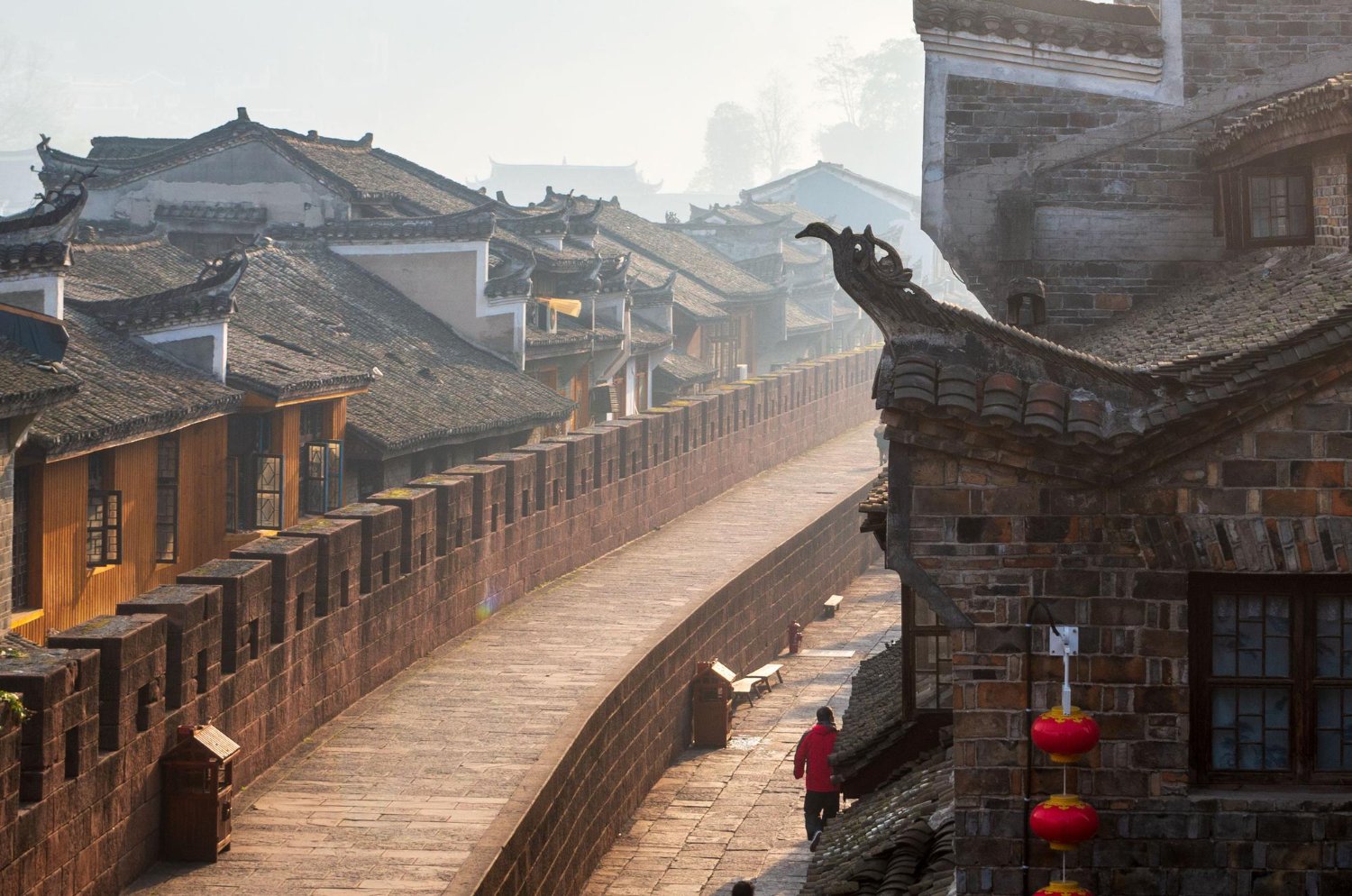
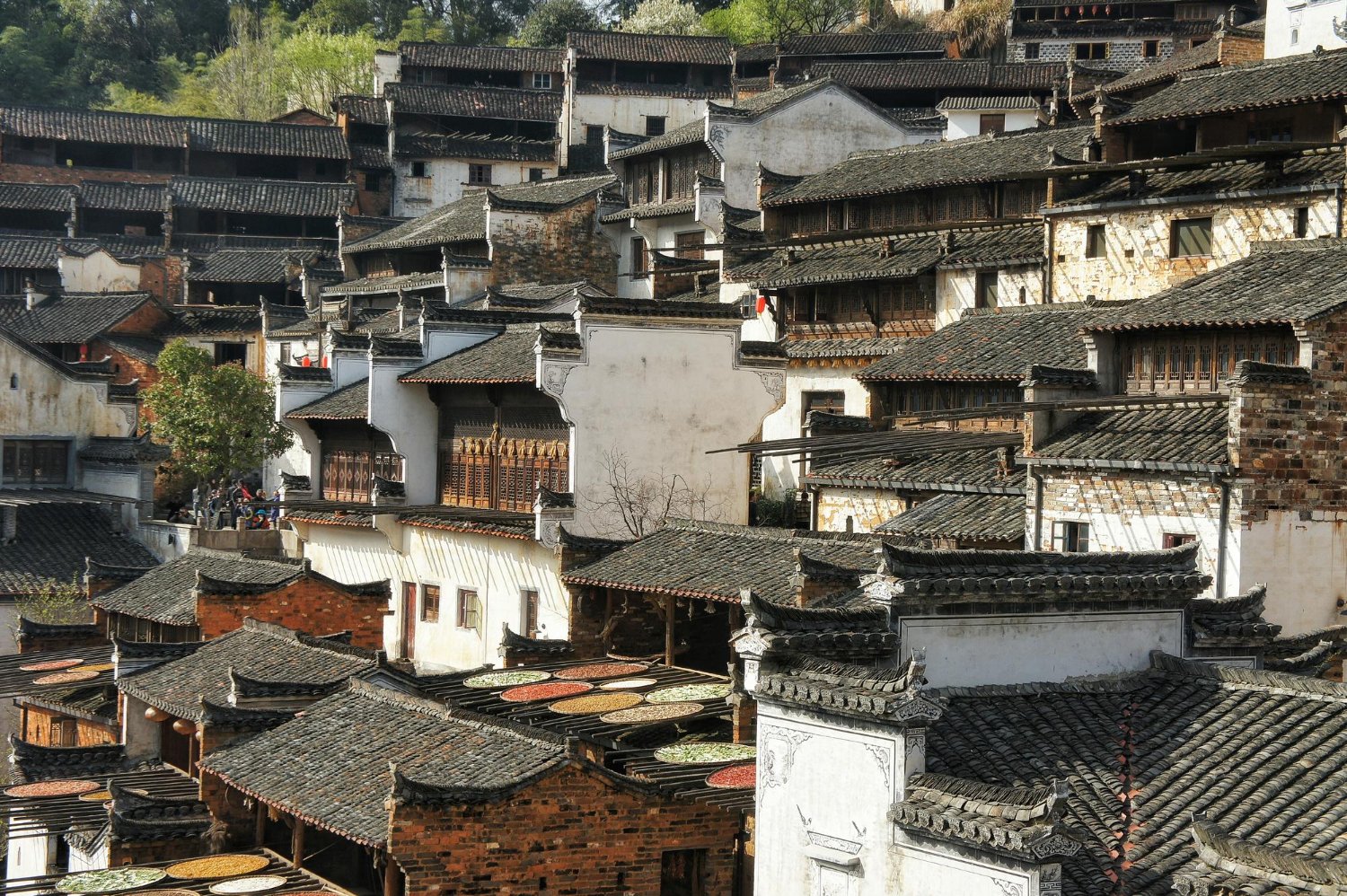
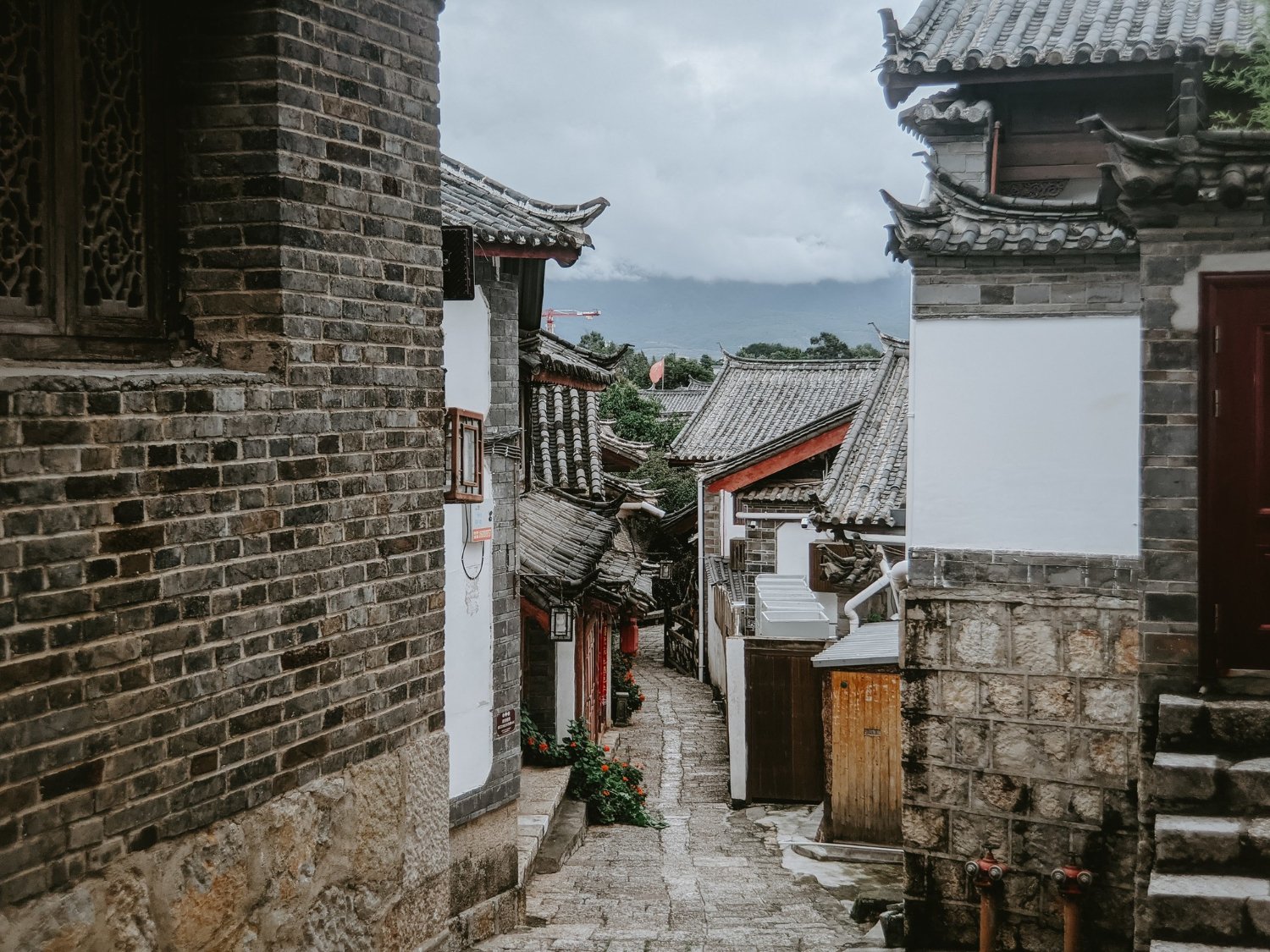
Everywhere I went — Beijing’s hutongs, Suzhou’s canals, Shanghai’s shikumen alleyways — I felt centuries blending into the present. China’s cultural identity isn’t trapped in museums; it lives quietly inside its cities, gestures, rituals, and food.
This is the part of China travel history that makes you slow down, look deeper, and understand how culture survives across millennia.
Modern China is fast, loud, bold — and yet deeply spiritual. One moment you’re surrounded by Shanghai’s futuristic skyline, the next you’re drinking tea in a Chengdu alley so peaceful it feels like time stopped.
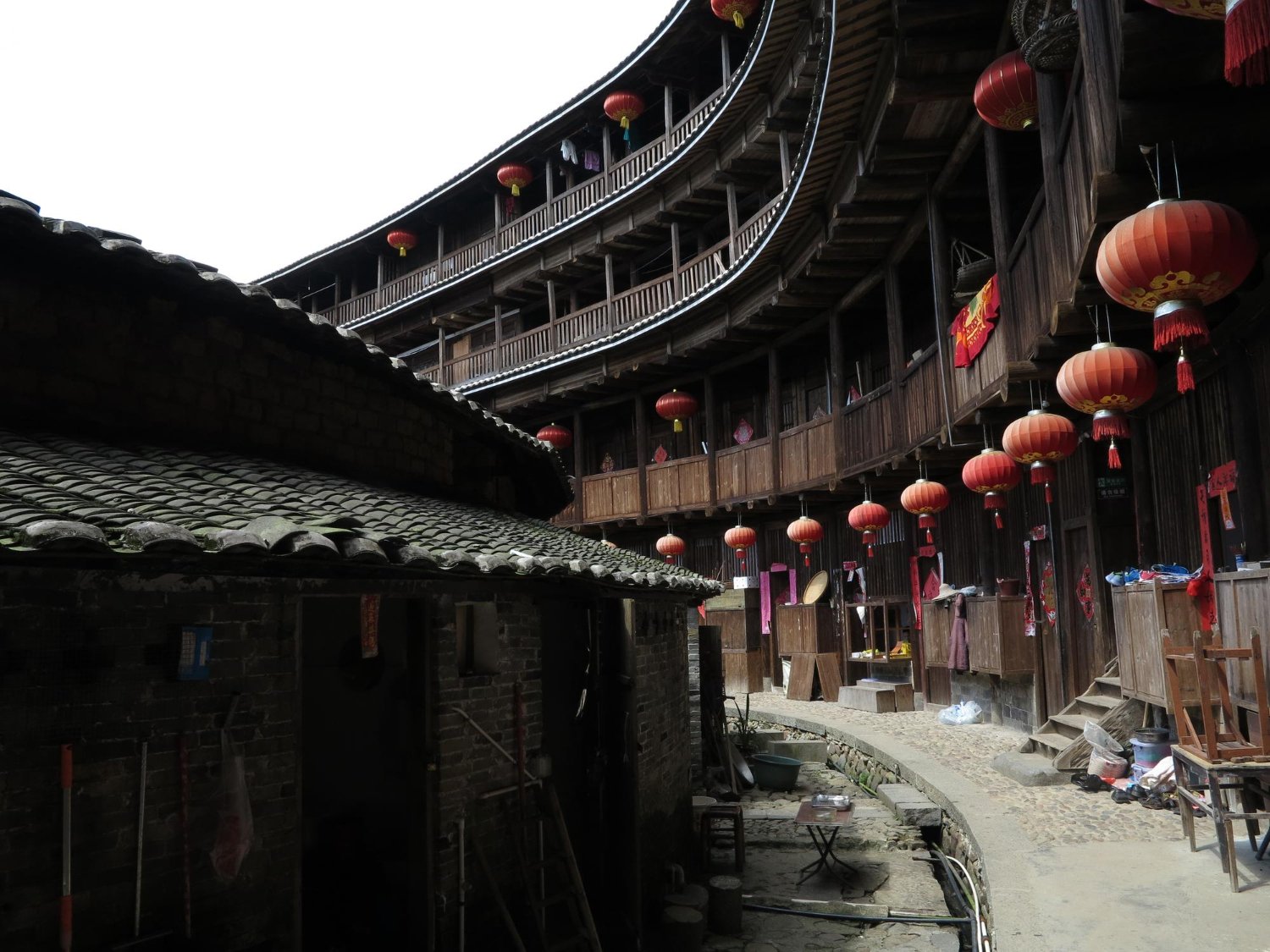
Beijing shifts between ancient gates and government buildings. Guangzhou thrives on global commerce. Lhasa whispers prayers across Tibetan mountains. Fujian’s Hakka villages tell stories through circular homes built to protect entire families.
Traveling across China felt like moving through parallel worlds — each region unique, each one shaped by centuries of tradition. Local food, old streets, temples, war memorials, imperial gardens, and neighborhoods all tell their own version of China’s story.
This destination guide collects my reflections, cultural encounters, and historical notes so you can explore China with depth — beyond surface tourism, into a journey shaped by memory, meaning, and the living legacy of Asia’s largest civilization.
Stories, Tips & Guides from My China Journey
A curated collection of war history notes, cultural insights, ancient heritage sites, and travel lessons from my journeys across China — written to help you see the country through a deeper, more meaningful lens.
Thailand is not just a country. It’s a layered civilization built on the ashes, triumphs, and memories of dozens of kingdoms that rose and fell long before our time.
Singapore is known today as the cleanest, safest, most futuristic city in Asia.
Skyscrapers shine. Gardens float. Streets feel like they’re designed by an engineer from the future.
China is one of those places where history does not simply sit inside museums — it breathes in the dust of forgotten palaces, whispers through abandoned cities swallowed by deserts, and lingers inside the ruins of ancient empires that once controlled half the known world.
Korea is a country where history hides beneath every modern skyline. Beneath the neon lights of Seoul and the soft charm of hanok villages lies a story shaped not only by pop culture
India is one of the few places on earth where history refuses to stay buried. As I traveled across the country, I felt as if every step brought me closer to an ancient echo—ruins whispered through dusty winds, forgotten capitals slept beneath crowded modern streets, and lost civilizations revealed themselves in the quiet patterns of pottery, stone, and myth.
The Japan we know today—modern Tokyo, cultural Kyoto, traditional Nara—didn’t rise out of nowhere. Before them, there were other capitals.
Plan Your China Trip
Everything you need to plan your journey through China — curated hotels, historical tours, battlefield landmarks, cultural activities, and transportation options designed for travelers seeking authentic heritage-rich experiences.
Explore China’s war history, cultural heritage, ancient dynasties, and historical travel stories by Jayjames — a deep, meaningful guide for travelers seeking to go beyond ordinary tourism.