5 hours
Daily Tour
3 people
English
Nagasaki is a city of contrasts—tranquil harbors, layered heritage, international influences, and deep historical currents that shaped modern Japan.
It is a city where beauty and sorrow coexist, where every stone and street has something to tell.
While often known in the global narrative for the atomic bombing of August 9, 1945, Nagasaki’s identity is far richer and more layered than a single event. Long before that tragic moment, Nagasaki was a gateway of exchange—where Portuguese traders, Jesuit missionaries, Dutch merchants, and Japanese artisans met, mingled, and created a unique cultural tapestry unique in Japan’s history.
This Nagasaki Private Walking Tour with a Local Guide invites you not just to see the city, but to feel it—through stories, hidden corners, urban memory, and the everyday lives of its people. With a knowledgeable local guide at your side, you’ll walk beyond postcards and monuments to experience the city from the inside out.
Long before World War II, Nagasaki was one of the few Japanese ports open to foreign trade during the country’s centuries-long isolation (Sakoku). The island of Dejima, originally built for Portuguese traders and later administered by the Dutch, became a crucible of cultural exchange—bringing Western ideas, goods, art, and even food influences that still echo in Nagasaki today.
Today’s Nagasaki tells its story in many forms:
Stone churches that survived persecution and suppression
Old merchant houses with international design details
Temples that reflect Japan’s spiritual traditions
Harbors that once carried foreign ships
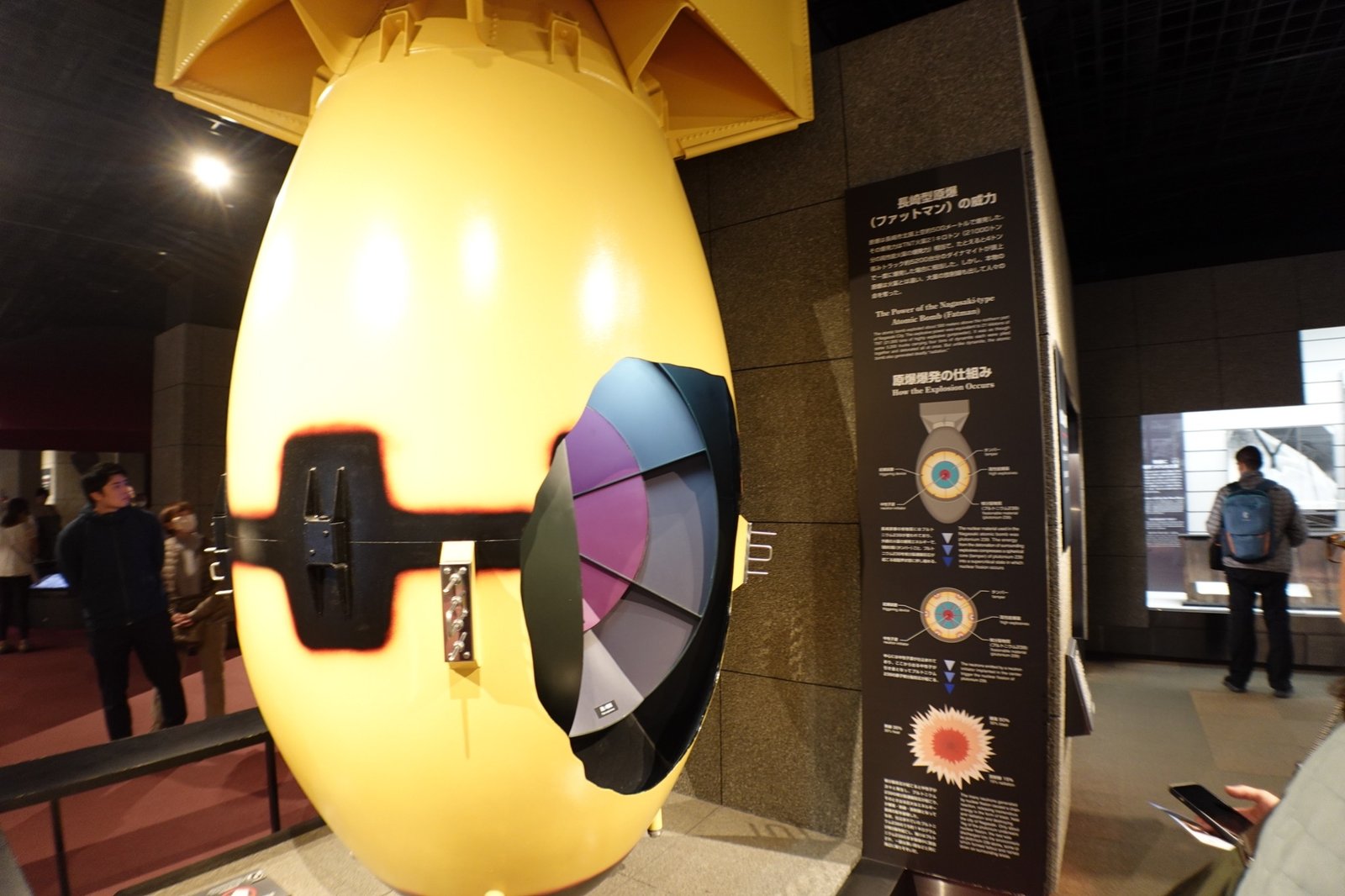
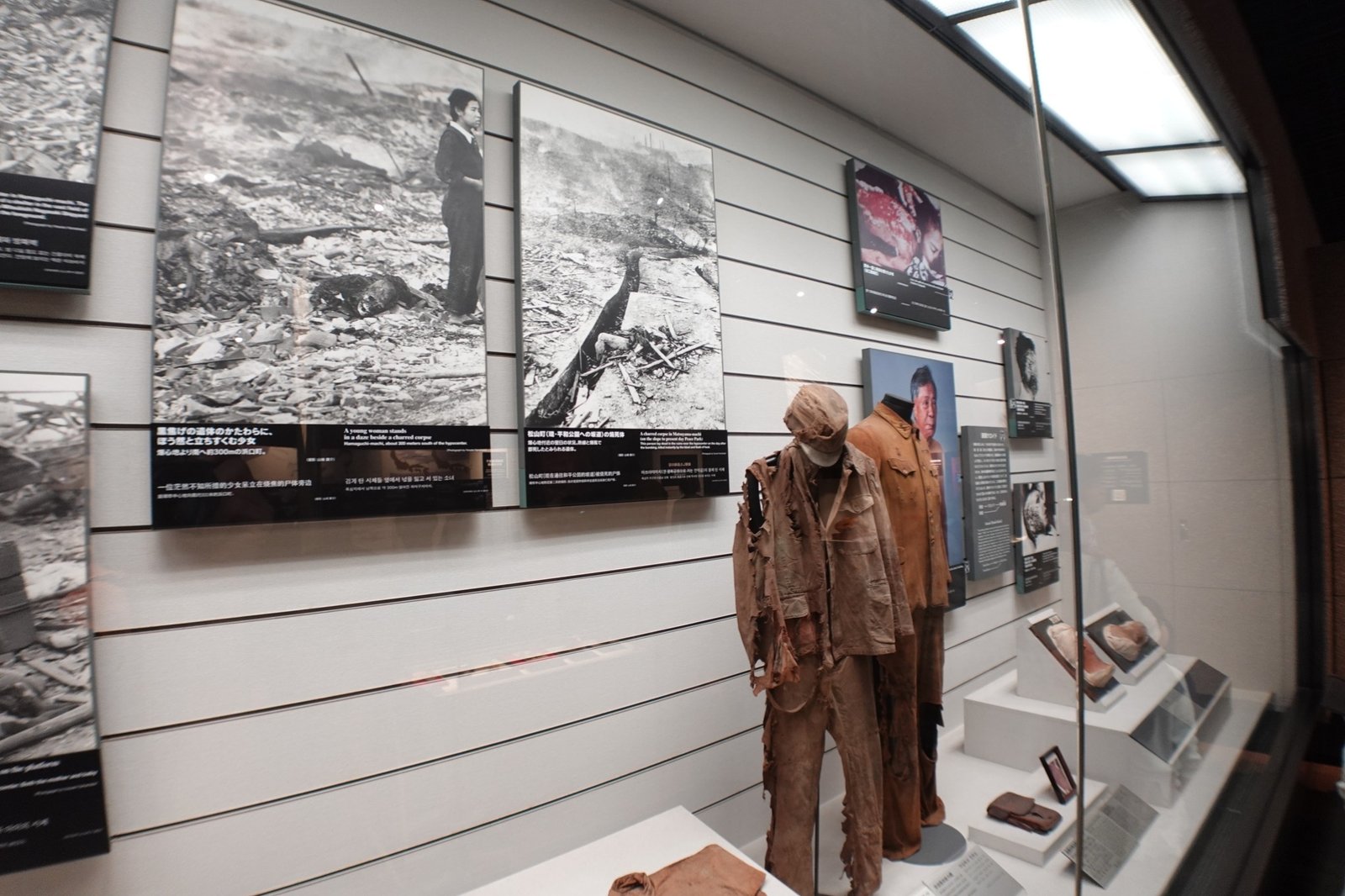
Museums and memorial spaces that commemorate resilience
This walking tour, customized for your interests, brings these elements together in a narrative that connects past to present.
Setting off on foot gives you an intimate perspective rarely possible by bus or car. The city reveals itself slowly—block by block, plaza by plaza, garden by garden.
Your local guide will personalize the route, but a typical Planetale-style tour might include these key stops and experiences:
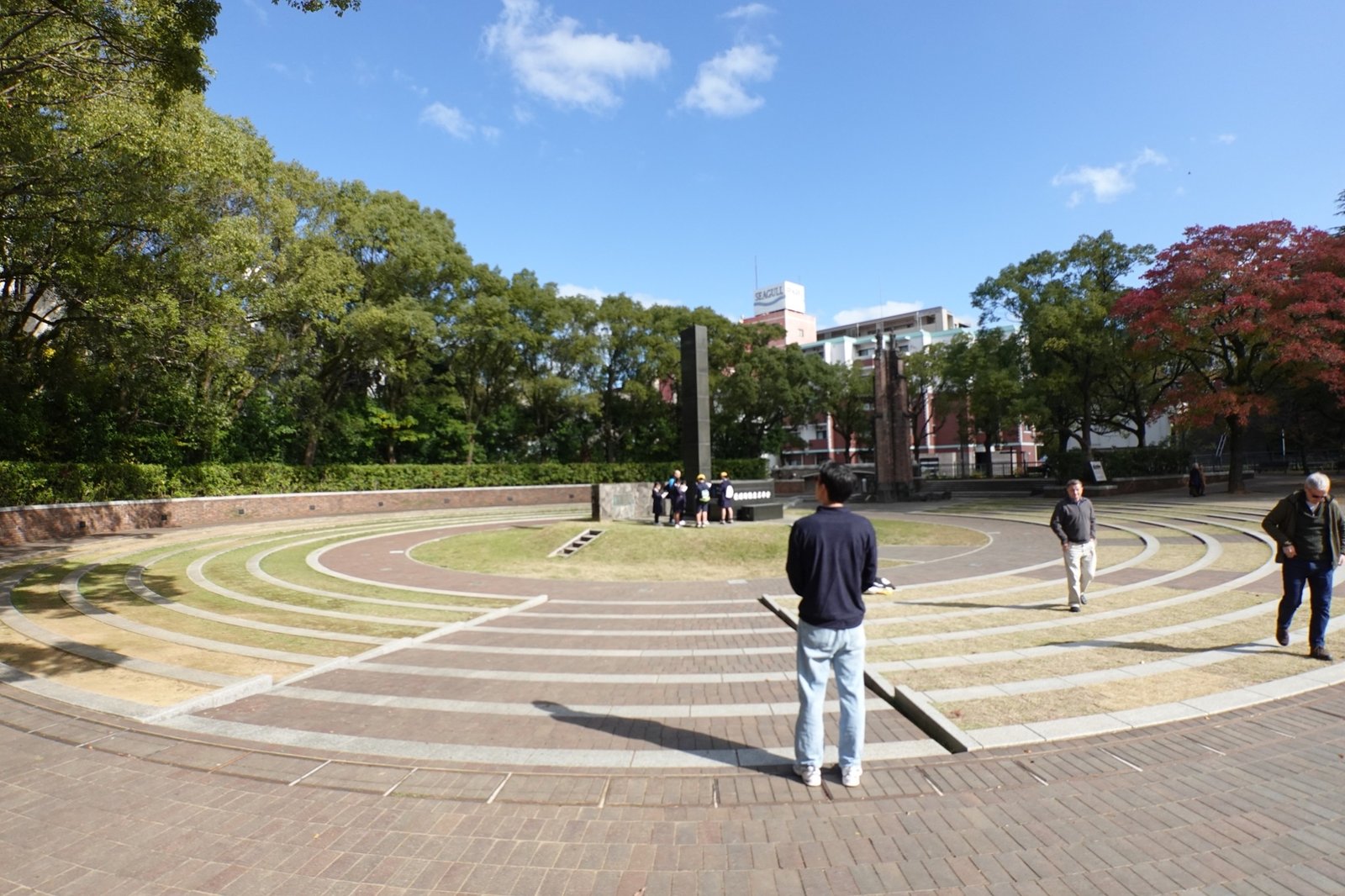
Your journey begins at Nagasaki Peace Park, the heart of the city’s memory of 1945. The park’s serene bronze sculptures and open lawns are set against a backdrop of lush hills—a quiet reminder of life’s persistence.
Nearby, the Atomic Bomb Hypocenter tells the precise point where the bomb detonated above the city. Your guide leads you through the context of the event, not as a spectacle of tragedy, but as a testament to human resilience and the enduring pursuit of peace.
Here’s where history becomes personal:
engraved names, donated stones from around the world, and the silent testimony of survivors’ stories encourage reflection on how communities rebuild from loss.
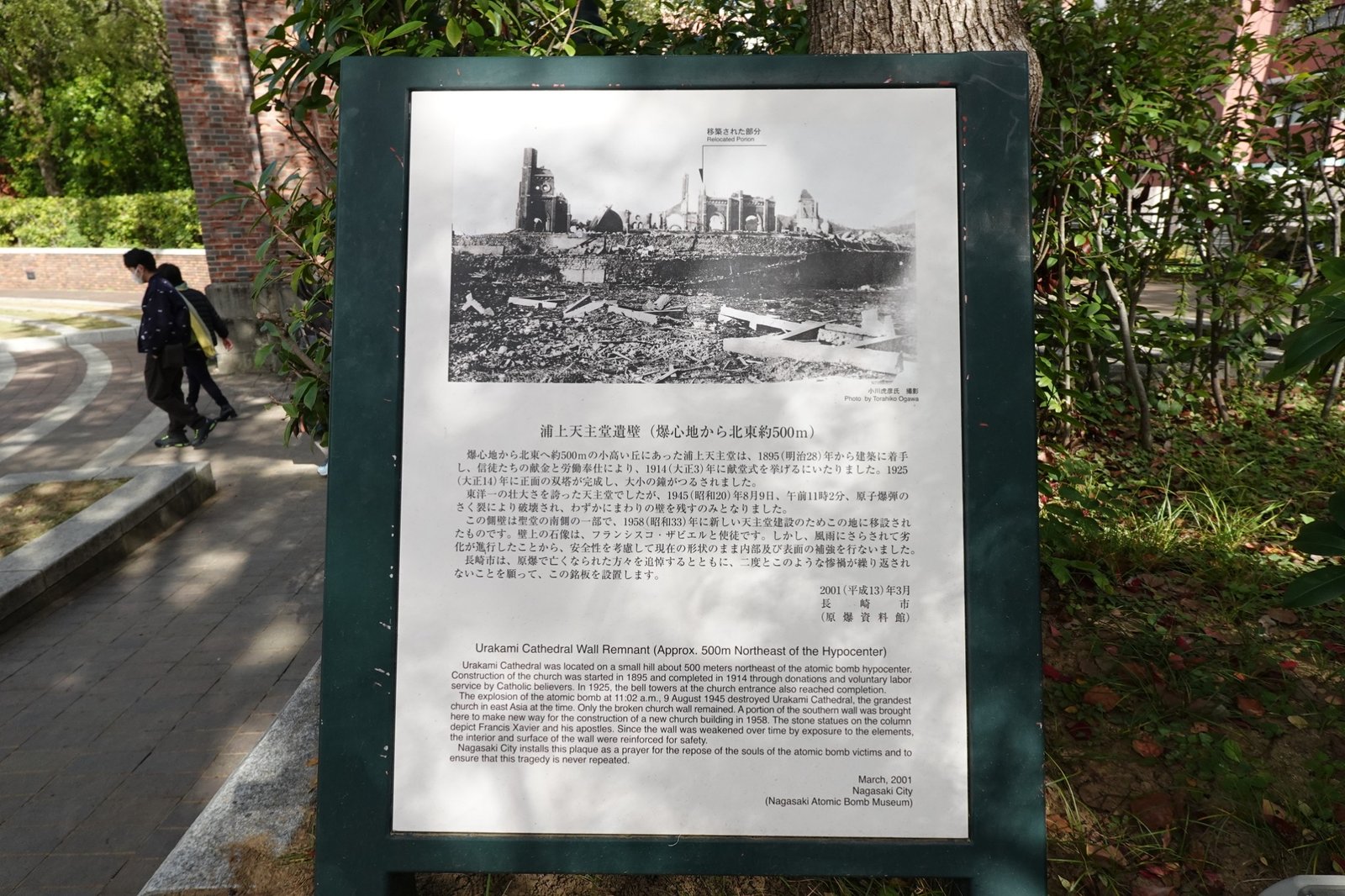
Just a short walk from the Peace Park stands Urakami Cathedral, once the largest Catholic church in East Asia. Destroyed in the bombing and later reconstructed, its standing today is a symbol of both loss and revival.
Your guide shares the history of Japanese Christians in Nagasaki, their centuries-long struggle for survival, and how the community’s faith became a powerful thread through the city’s narrative.
You’ll learn not only about the architecture, but about the lives connected to this sacred site.
After exploring modern history, the tour shifts to Nagasaki’s international legacy.
Dejima Island was once a Portuguese trading post and later a Dutch enclave during Japan’s isolationist era. Walking its narrow streets and reconstructed buildings, you feel how foreign and domestic cultures intersected here.
Imagine:
Dutch traders walking beside Japanese artisans
Spices and fabrics being exchanged
Stories, knowledge, and ideas crossing cultural boundaries
Dejima reminds us that Nagasaki has always been a city open to the world—despite broader policies of isolation.
Perched on a hillside overlooking Nagasaki Harbor, Glover Garden preserves Western-style homes of early foreign residents.
This open-air museum stroll gives you panoramic views of the port and city below. It also opens a window into:
Merchant lifestyles
Foreign influence on Japanese industry
Cross-cultural families
Paths that shaped modern Nagasaki
Your guide brings personal stories to life—about merchants, sailors, artists, and families who bridged worlds.
No visit to Nagasaki is complete without a stop in its vibrant Chinatown, one of Japan’s oldest. Bright colors, fragrant food stalls, and cultural fusion at every turn make this district a feast for senses.
Your guide introduces:
Local Chinese-Japanese fusion dishes
Traditional sweets and delicacies
Hidden alleys that locals favor
Historic markers of Chinese diaspora communities
Walking here feels alive—past and present woven together by flavor and rhythm.
A private walking tour allows your guide to tailor the experience, revealing places most travelers miss:
Confucian shrines tucked amid residential lanes
Local markets with produce and seafood traders
Tea houses where old families gather
Murals, calligraphy, and small museums with unique collections
These hidden layers make Nagasaki not just a destination—but a story unfolding beneath your feet.
Planetale believes that travel should educate, connect, and inspire empathy. In Nagasaki, this means engaging with its wartime history thoughtfully—acknowledging suffering without glorification, honoring lives without spectacle, and centering resident voices rather than external narratives.
Your local guide is not only a storyteller but a cultural interpreter—offering context that helps you grasp historical complexity while appreciating present strengths.
Nagasaki is more than:
A site of historical tragedy
A coastal city with a pretty harbor
A mix of cultures
It is a living museum of human experience shaped by:
Conflict and reconciliation
Trade and cross-cultural exchange
Faith, adaptation, and daily life
Loss, healing, and renewal
Walking these streets with a guide transforms your trip from sightseeing to storytelling — connecting you emotionally and intellectually with the world around you.
Yes! The walking pace can be adapted for families, seniors, or young explorers.
Yes — but presented respectfully and educationally without graphic details.
Some sites (like Glover Garden) may require independent entry tickets — your guide can help arrange them.
Absolutely! Your guide can customize stops based on taste preferences.
Yes — locations and pace can be adjusted based on your interests.






Leave a review