

Taipei is a city that has learned how to live with layers. Modern towers rise beside wooden temples. Japanese-era facades sit quietly behind convenience stores. Streets carry names that have changed languages more than once. To walk Taipei is to walk through time compressed into space.
Before it was Taipei, and long before it became a symbol of modern Taiwan, the city existed as a regional settlement shaped by migration, trade, and local power. Its transformation into Taihoku marked a turning point not only for the city itself, but for how empire imagined Asia.
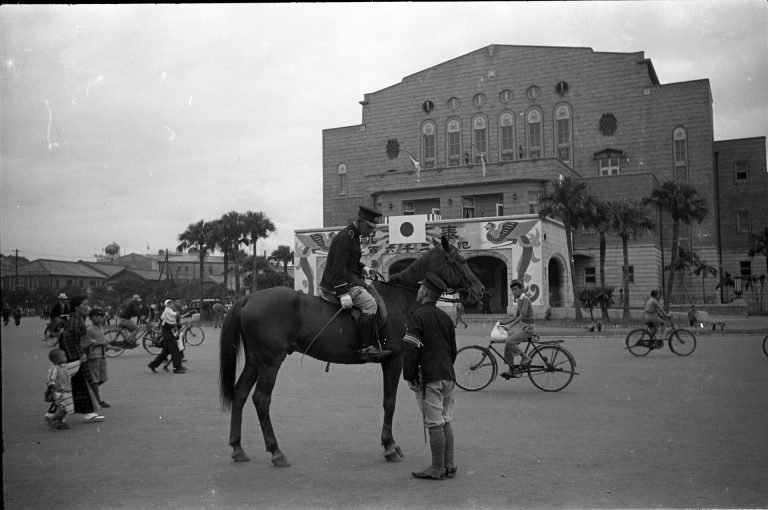
Historic streets shaped during Taihoku period
Taipei became Taihoku when Japan took control of Taiwan in 1895, following the Treaty of Shimonoseki. For the Japanese empire, Taiwan was not just a colony. It was a laboratory. Here, Japan tested ideas of governance, urban planning, public health, and colonial modernity. Taihoku was designed to be a showcase capital, a demonstration that empire could be orderly, modern, and efficient.
This ambition reshaped the city’s physical and social structure.
Under Japanese rule, Taihoku was systematically redesigned. Roads were widened and straightened. Administrative districts were carefully planned. Government buildings were erected with architectural language meant to signal authority and progress. The city was no longer allowed to grow organically. It was engineered.
The Japanese colonial administration viewed urban space as a tool of control. Clean streets suggested discipline. Zoning reflected hierarchy. Infrastructure embodied power. Taihoku was built to be legible to the state, not merely livable for residents.
Yet life inside the city was more complex than imperial blueprints suggested.
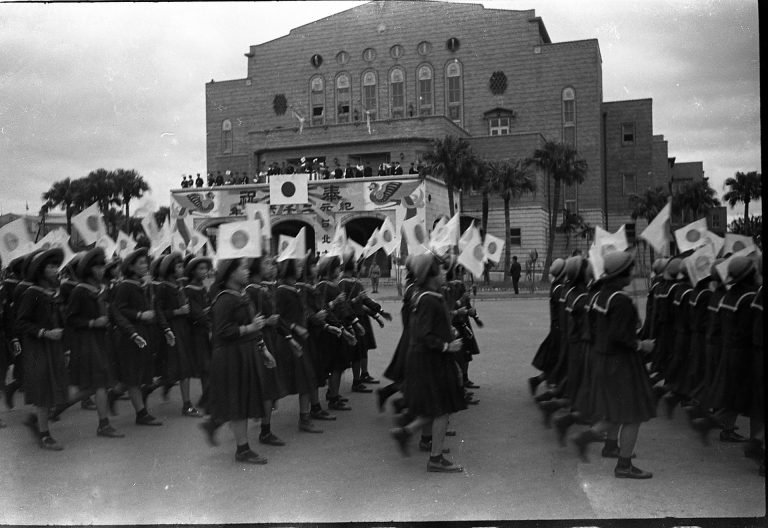
Taiwanese female student during the Japanese colonial era
For Taiwanese residents, Japanese rule brought both disruption and opportunity. Education expanded, but it was selective and ideological. Public health improved, but it reinforced colonial hierarchy. Modern amenities arrived, but access varied by status and loyalty. Daily life unfolded within a system that promised progress while demanding compliance.
Language shifted. Japanese became the language of administration and advancement. Names were changed. Customs were regulated. The city’s identity was gradually recoded.
Taihoku was not meant to replace local culture entirely. It was meant to contain it.
As the city modernized, its residents adapted. Markets continued. Religious practices persisted. Local rhythms survived beneath imposed order. Taihoku functioned as both colonial capital and lived city, producing a tension that never fully resolved.
This tension intensified during wartime.
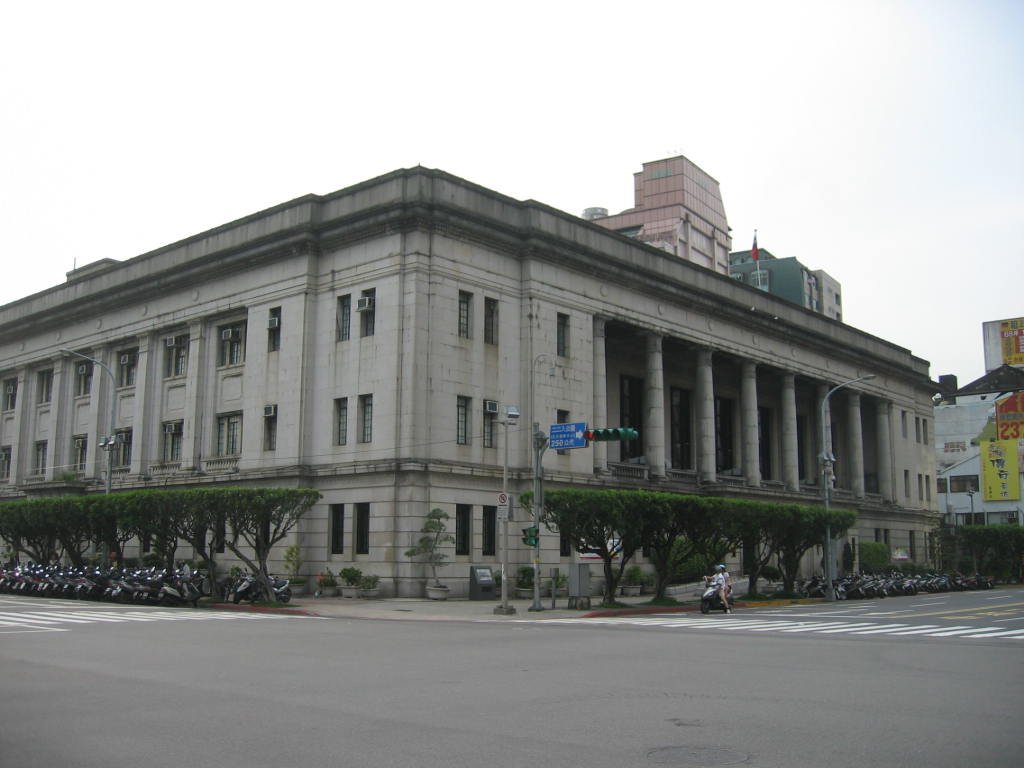
Japanese colonial architecture preserved in Taipei
As Japan expanded across Asia, Taiwan became increasingly integrated into the imperial war machine. Taihoku transformed from administrative center to logistical hub. Mobilization touched every aspect of life. Resources were redirected. Young men were recruited. Air raid drills became routine.
The city learned how to wait.
Bombing raids reached Taipei late in the war, but fear arrived earlier. The possibility of destruction hung over daily routines. Civilians prepared shelters. Schools trained children for emergencies. War was anticipated before it was experienced.
When Japan surrendered in 1945, Taihoku disappeared almost overnight.
Power shifted abruptly. The city was handed over to the Republic of China. Japanese administrators departed. Symbols were removed. Names changed again. Taihoku became Taipei, now positioned within a different national narrative.
For residents, this transition was not seamless. The city’s infrastructure remained Japanese. Its institutions carried colonial DNA. Yet the political framework transformed instantly. Memory had no time to settle.
This sudden shift created a city suspended between empires.
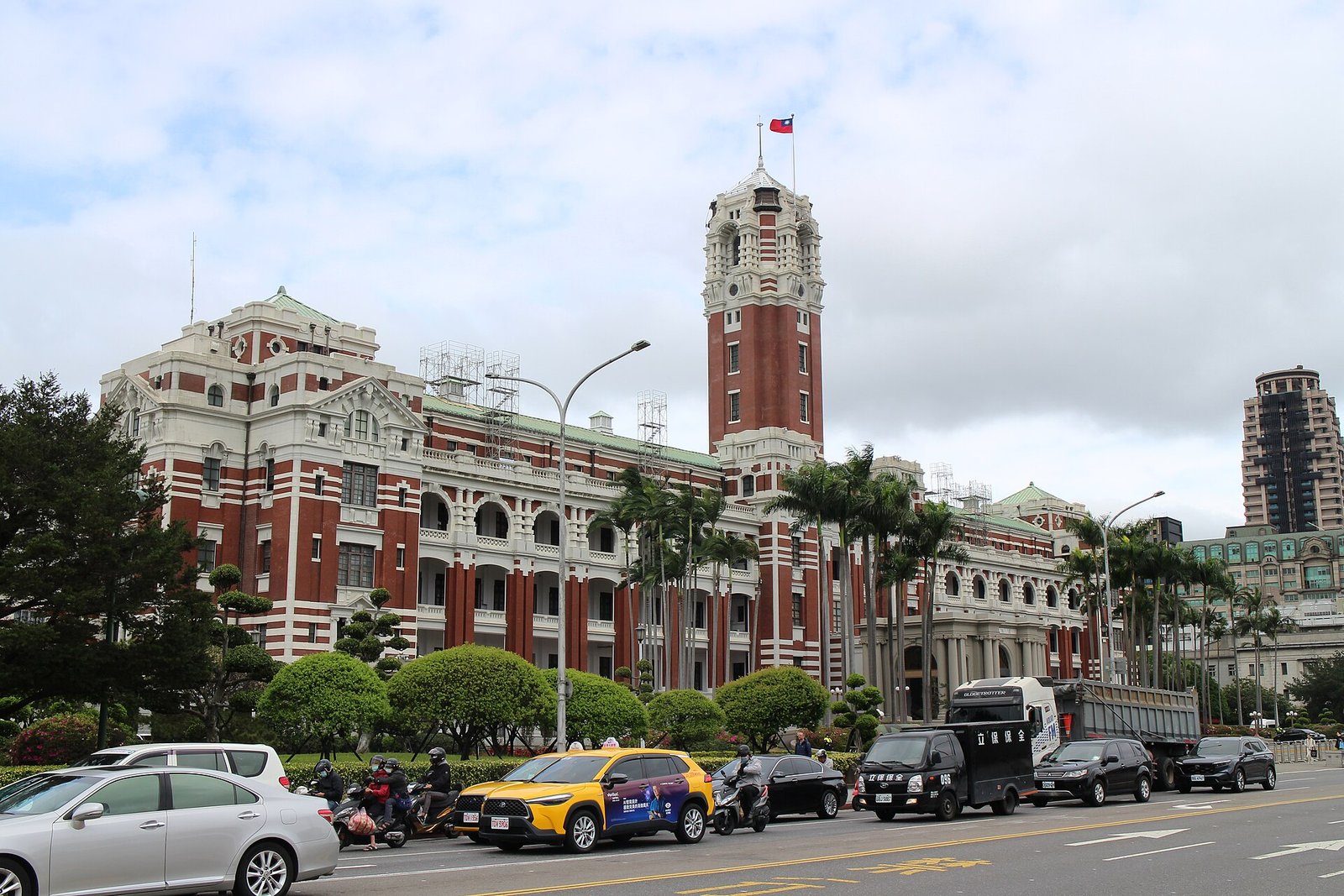
Presidential Office Building from Japanese era
Japanese rule was officially erased, but materially present. Buildings remained. Street layouts endured. Habits lingered. The city continued to function using structures designed by a previous regime.
Later, martial law and Cold War politics layered new silence over the past. Japanese-era memory became politically inconvenient. Discussion was muted. Preservation was selective. Taipei learned to move forward without fully addressing what lay beneath.
Today, Taihoku survives not as a name, but as an imprint.
Walk through districts like Taipei’s old administrative zones and Japanese-era architecture quietly reveals itself. Former government buildings now serve new purposes. Schools still follow layouts designed a century ago. Neighborhoods retain proportions shaped by colonial planning.
These remnants are not ruins. They are inhabited.
This is what makes Taipei unique. Unlike cities where colonial architecture is isolated or monumentalized, Taipei absorbed its imperial past into everyday life. The city did not freeze Taihoku in time. It allowed it to dissolve into function.
Taihoku matters because it explains Taipei’s complexity.
It reveals why the city feels simultaneously Japanese, Chinese, and Taiwanese without fully belonging to any single category. It explains the ease with which Taipei navigates hybridity. It clarifies why memory here is spatial rather than narrative.
Taipei does not tell its history loudly. It lets the city speak.
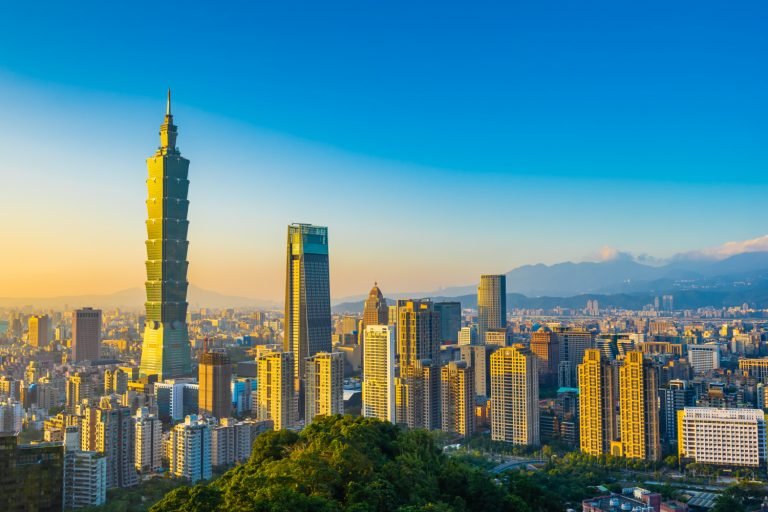
Modern Taipei revealing layered imperial history
To understand Taipei is to understand Taihoku not as a closed chapter, but as a layer still shaping behavior, aesthetics, and urban rhythm. Empire did not vanish. It was repurposed.
Traveling Taipei with historical awareness transforms the experience. Streets become timelines. Buildings become documents. Cafés occupy former offices of empire. The city reveals itself slowly, to those willing to look.
Taipei is not a city that escaped empire.
It is a city that learned how to live between them.
Taipei’s past is not locked in museums.
It lives in streets, buildings, and daily routines.
Walk the old Taihoku districts,
and let the city show you how empires leave without disappearing.
Comment (0)