

Thailand’s role in World War II remains one of the most misunderstood chapters in Southeast Asian history. To some, Thailand was a willing ally of Japan. To others, it was a victim of circumstance that had no real choice. Between these two extremes lies a far more complex reality shaped by geopolitics, survival instincts, nationalism, and quiet resistance. Understanding what really happened between Japan and Siam requires moving beyond simplified narratives and examining the pressures that confronted a small nation trapped between collapsing empires and rising military power.
Before the war reached Southeast Asia, Siam occupied a unique position in the region. Unlike its neighbors, Siam had never been formally colonized by a Western power. This independence, however, came at a cost. For decades, Siam navigated imperial pressure through territorial concessions, diplomatic compromise, and internal reform. By the late 1930s, the country had undergone dramatic political change. The absolute monarchy had been replaced by a constitutional system, and nationalism had become a central theme of state identity.
The government under Plaek Phibunsongkhram pursued modernization aggressively, drawing inspiration from both Western and Asian models. National identity was reshaped through language reforms, cultural mandates, and territorial ambitions. At the same time, the international environment grew increasingly unstable. European colonial powers were distracted by war in Europe, while Japan expanded its influence across East Asia. Siam’s leadership understood that neutrality alone might not be enough to guarantee survival.
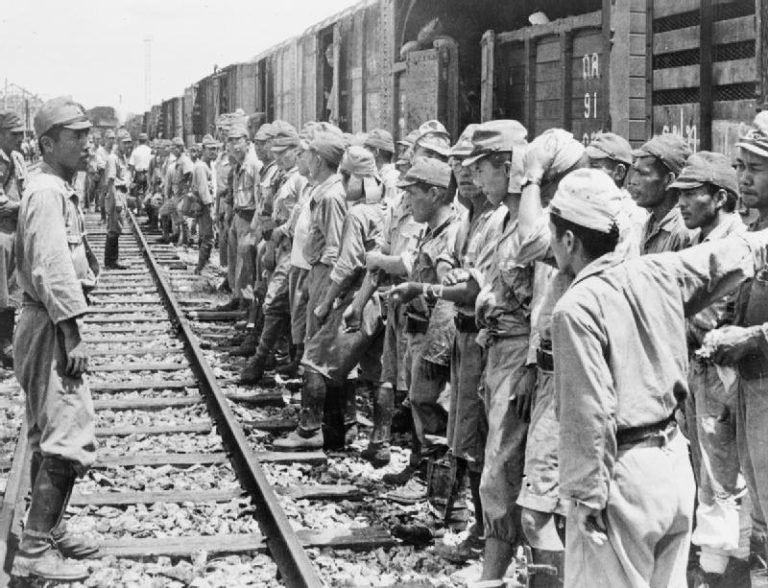
When Japanese forces moved southward in late 1941, Thailand stood directly in their path. In the early hours of December 8, Japanese troops landed at multiple points along Thailand’s coastline and crossed land borders from Indochina. These events unfolded rapidly, catching the Thai government and military in a moment of crisis. Brief clashes occurred in several locations, but the imbalance of power was clear. Continued resistance risked widespread destruction, particularly in Bangkok.
Within hours, the Thai government agreed to a ceasefire and permitted Japanese forces to pass through the country. This decision remains controversial, but it must be understood within its historical context. Siam faced a stark choice between limited cooperation or full-scale occupation. The decision to allow passage was framed by Thai leaders as an act of preservation rather than surrender. Yet it set the stage for deeper entanglement.
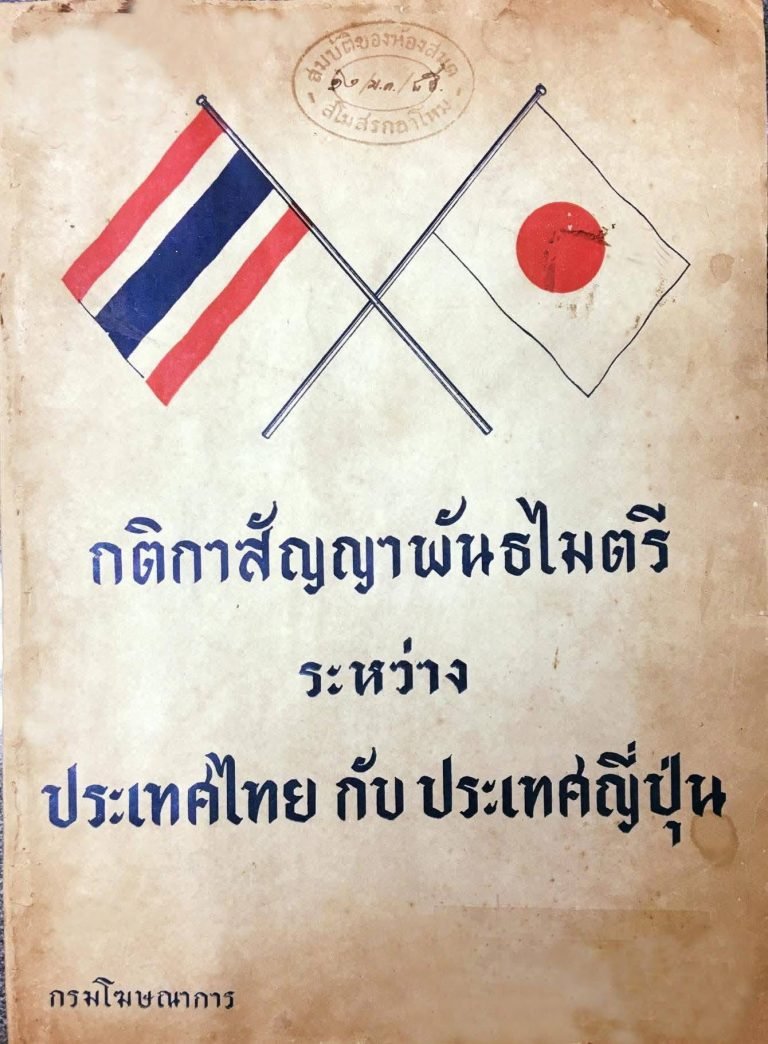
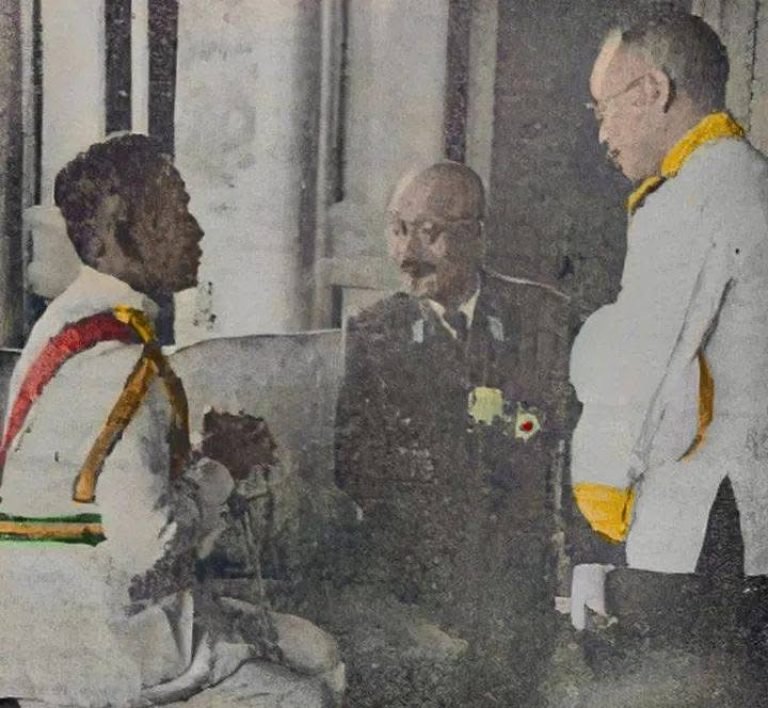
In the months that followed, Thailand formalized its relationship with Japan through an alliance. On paper, Thailand became a partner in Japan’s war effort. In practice, the relationship was deeply asymmetrical. Japanese forces operated extensively within Thai territory, controlling transportation networks and strategic locations. While Thailand retained its government and administrative structures, sovereignty was constrained by military reality.
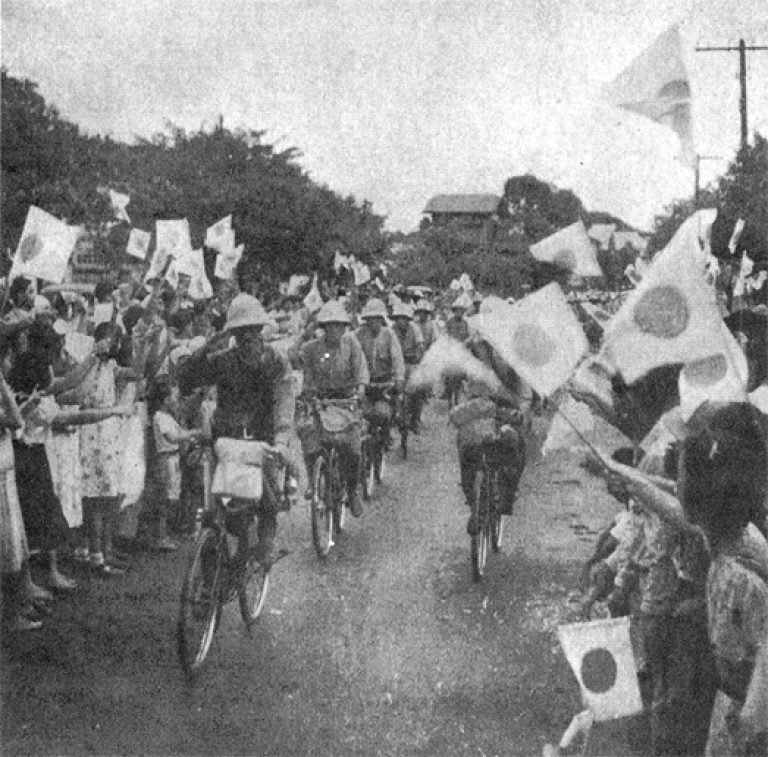
This ambiguity defines Thailand’s wartime experience. It was neither fully occupied nor truly independent. Thai leaders attempted to extract advantages from the alliance, including territorial gains in neighboring regions previously lost to colonial powers. These gains were presented domestically as national recovery, reinforcing the government’s legitimacy. Yet they tied Thailand more closely to Japan’s fortunes.
Life in Thailand during the war reflected this uneasy balance. Bangkok avoided the level of destruction seen in many Asian capitals, but shortages, censorship, and anxiety became part of daily life. Japanese troops were visible in cities and along railways, reminding civilians that neutrality had limits. The economy strained under wartime demands, and ordinary people adapted through resilience and quiet pragmatism.
Beneath the surface of official cooperation, another Thailand existed. The Seri Thai movement emerged as a clandestine resistance network that sought to preserve the country’s future beyond the war. Operating both inside Thailand and abroad, Seri Thai members gathered intelligence, maintained contact with Allied powers, and prepared for a postwar reckoning. Their activities demonstrated that Thailand’s wartime alignment did not reflect a unified national will.
The existence of Seri Thai complicates simplistic judgments about Thailand’s role. While the government publicly aligned with Japan, elements within the state and society actively worked to limit long-term consequences. This duality was not accidental. It reflected a survival strategy shaped by historical experience and geopolitical awareness.
As the war turned against Japan, Thailand’s position grew increasingly precarious. Allied bombing campaigns reached Bangkok, exposing the fragility of earlier calculations. Japanese influence became more burdensome, and domestic dissatisfaction increased. By the time Japan surrendered in 1945, Thailand moved quickly to redefine its wartime actions.
Thailand’s postwar outcome was remarkable when compared to other countries aligned with Japan. Through diplomatic maneuvering and the credibility of Seri Thai, Thailand avoided classification as a defeated enemy state. The declaration of war issued during the conflict was declared invalid, allowing Thailand to re-enter the international community with limited penalties. This narrow escape was not the result of innocence, but of strategic ambiguity sustained throughout the war.
Memory of World War II in Thailand has remained complex and often muted. Unlike nations that experienced total occupation or devastation, Thailand’s war left fewer visible scars. As a result, public discussion has tended to simplify or soften the narrative. School textbooks often emphasize national survival rather than moral ambiguity. Popular memory focuses on infrastructure projects and political change rather than the lived experience of wartime compromise.
Yet traces of the war remain across Thailand for those who look closely. Railways, bridges, former airfields, and memorials quietly mark the landscape. These sites tell stories not of grand battles, but of negotiation, endurance, and difficult choices. Visiting them invites reflection on how small states navigate great power conflict.
Thailand’s World War II story matters because it challenges binary thinking. It shows that history is often shaped not by clear heroes and villains, but by constrained choices made under pressure. Thailand was not simply a collaborator or a victim. It was a nation attempting to survive an era when refusal could mean annihilation and cooperation carried moral cost.
In today’s world of renewed geopolitical tension, Thailand’s wartime experience offers enduring lessons. It demonstrates the risks of relying solely on neutrality, the importance of internal resilience, and the value of preserving multiple diplomatic pathways. Above all, it reminds us that history is rarely clean. It is negotiated, compromised, and remembered selectively.
To understand what really happened between Japan and Siam during World War II is to accept complexity. It is to acknowledge that survival sometimes demands choices that resist easy judgment. Thailand’s experience stands as a testament to the difficult art of navigating history without losing the future.

Comment (0)