

Thailand is often described as the only Southeast Asian nation never formally colonized by a European empire. This narrative shapes national identity and international perception alike. Yet during World War II, neutrality proved fragile. Thailand did not escape the war. It absorbed it in ways that remain embedded in geography, memory, and diplomacy.
Officially, Thailand navigated the early stages of the war through negotiation. Political leadership sought to preserve sovereignty amid regional upheaval. When Japanese forces advanced into Southeast Asia in December 1941, Thailand faced a choice shaped less by ideology than by survival. Resistance was brief. Alignment followed.
On paper, Thailand entered into cooperation with Japan. In practice, the country became a strategic corridor.
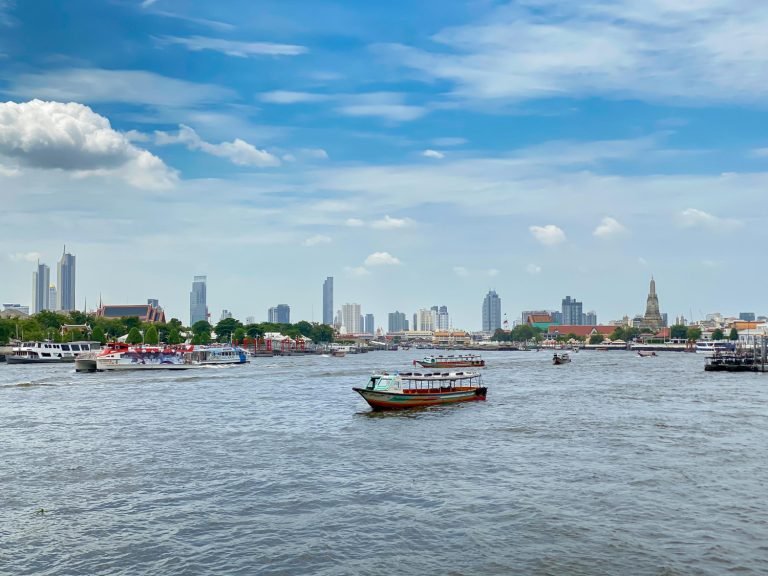
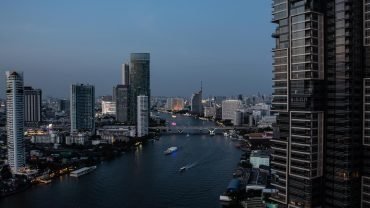
Bangkok river areas connected to wartime logistics
Geography determined its fate. Positioned between British Malaya, French Indochina, and Burma, Thailand became essential to Japanese expansion. Railways, roads, ports, and airfields turned into military assets. Infrastructure was repurposed for regional campaigns.
Thailand’s experience of World War II was not defined by massive urban destruction, but by transformation of its landscape into logistical machinery.
Across Thailand, territory became transit. Troops moved through cities and countryside. Supplies crossed rivers and mountains. Airfields multiplied. Rural regions became staging grounds.
The most visible and tragic example of this transformation was the construction of the Thai–Burma Railway, later known as the Death Railway. Built to connect Bangkok with Rangoon through difficult terrain, it relied on forced labor from prisoners of war and Asian laborers under brutal conditions.
In Kanchanaburi, remnants of this railway remain part of Thailand’s most visited historical sites. The Bridge over the River Kwai draws travelers annually. Yet the broader railway cut through jungle and mountain, leaving scars less visible but deeply human.
Thailand did not host concentration camps or mass urban bombardment at the scale seen elsewhere in Asia. Instead, its war experience unfolded as occupation without full colonization.
Japanese presence influenced governance, economy, and social life. Rationing, propaganda, and surveillance shaped daily routines. Resistance movements formed quietly within the country, balancing cooperation with covert opposition.
This complexity complicates simplistic narratives.
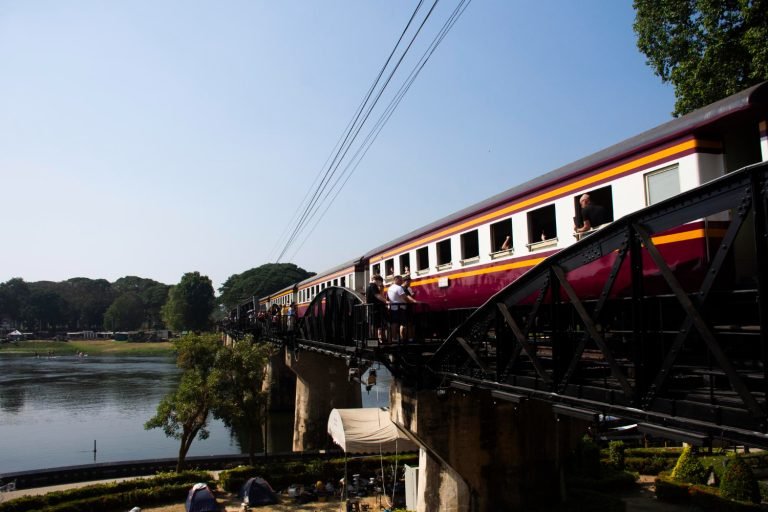
Bridge over the River Kwai in Thailand WWII history
Thailand emerged from the war without the devastation seen in neighboring countries. Cities like Bangkok remained largely intact compared to Manila or Hiroshima. Yet intact does not mean untouched.
Bombings targeted infrastructure. Airfields and rail hubs faced attack. Political leadership navigated postwar diplomacy carefully to preserve sovereignty and avoid severe penalties.
Thailand’s postwar narrative emphasized survival and continuity rather than battlefield memory. This emphasis shaped collective memory. World War II became a chapter rather than a defining identity.
As a result, Thailand’s war history often remains understated.
Travelers arriving in Thailand encounter temples, beaches, markets, and nightlife. These experiences are authentic. Yet beneath them lies a geography once mobilized for global conflict.
In Chiang Mai, wartime routes connected supply chains. In southern provinces near Malaysia, cross-border movements shaped local life. Coastal areas facilitated maritime strategy.
Thailand’s war was quieter but not absent.
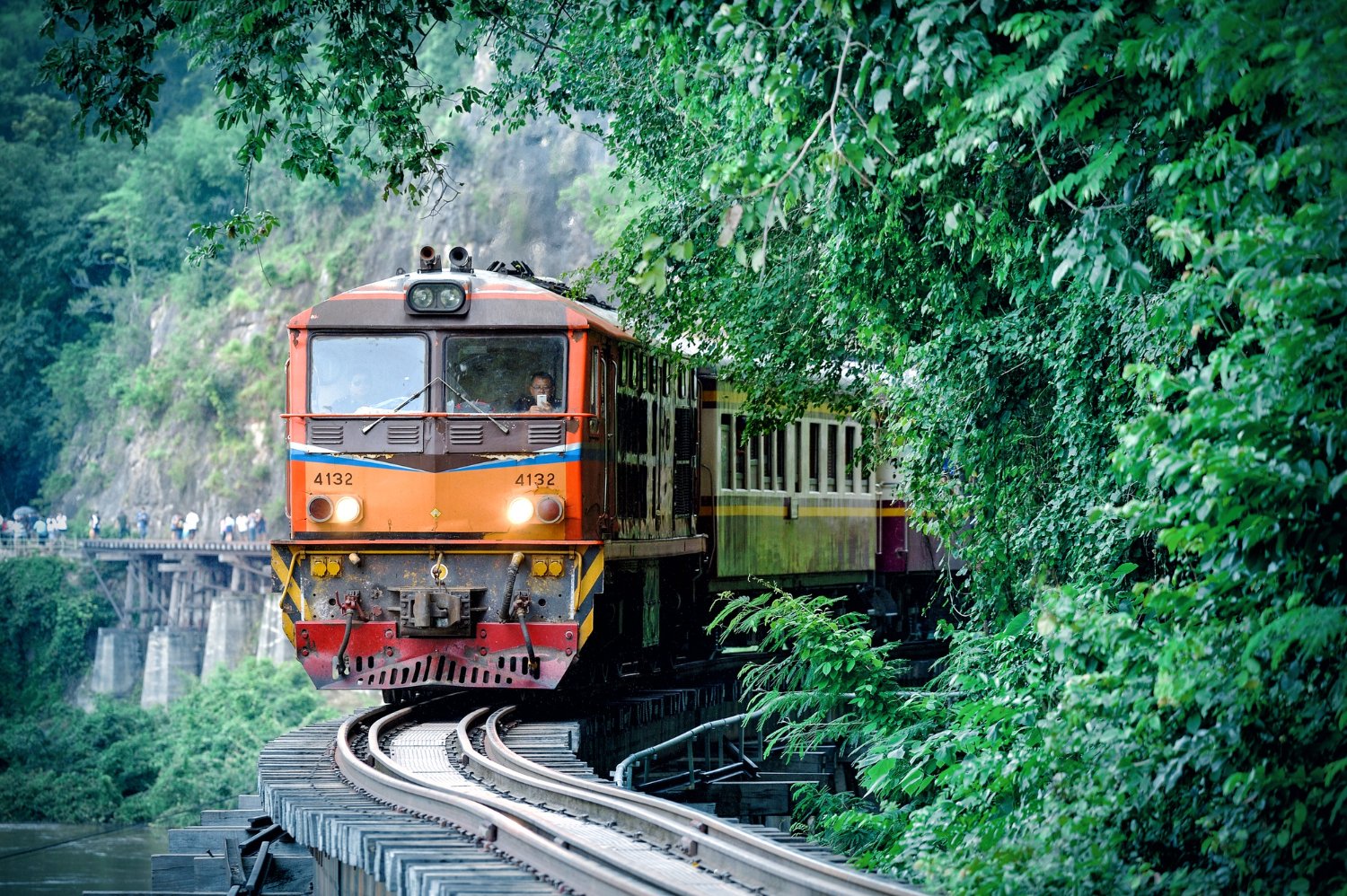
Thai jungle railway built during World War II
Understanding Thailand WWII history changes the way one travels through the country. Kanchanaburi becomes more than a scenic stop. It becomes an entry point into understanding forced labor and regional strategy. Bangkok’s riverbanks reflect logistical significance. Rural rail lines tell stories of endurance.
Thailand’s neutrality was strategic. Its landscape was operational.
This duality continues shaping national identity. Thailand’s diplomatic agility, economic adaptability, and regional positioning reflect lessons learned during wartime negotiation.
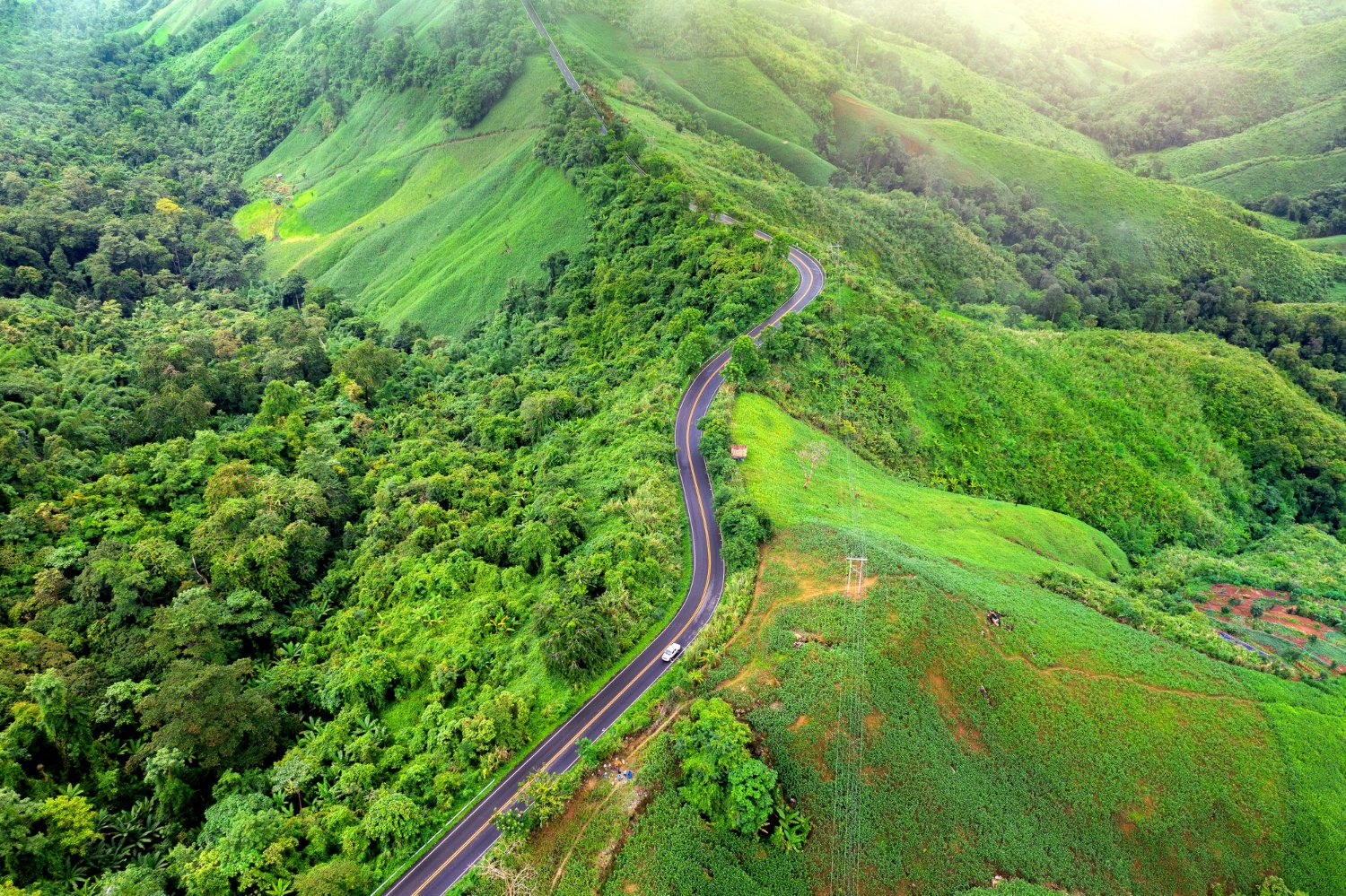
Northern Thailand routes used during WWII
Traveling Thailand beyond beaches and temples means acknowledging that beneath tropical beauty lies a terrain once integrated into global war machinery.
The country did not collapse under conflict. It maneuvered through it.
Thailand teaches that war does not always define nations through destruction. Sometimes it defines them through navigation.
Walking through Thailand today means moving across land that once balanced sovereignty and occupation simultaneously.
History here is subtle.
But it is present.
Thailand is more than beaches and temples.
It is a country that navigated war through geography and diplomacy.
Travel Thailand beyond beaches and temples,
and walk across landscapes where neutrality met reality.

Comment (0)