

The Cold War is often remembered as a distant standoff between two superpowers, a conflict defined by speeches, summits, and the ever-present threat of nuclear annihilation. Yet nowhere did the Cold War become more violent, more intimate, or more transformative than in Asia. Here, ideology was not an abstract debate. It arrived through armies, revolutions, air raids, and internal purges. The Cold War in Asia was not cold. It burned through societies, redrew borders, and reshaped identities in ways that continue to define the region today.
When World War II ended, Asia stood at a crossroads. European empires had collapsed, Japan was defeated, and political authority lay fractured across the continent. Into this vacuum stepped new powers and new ideas. Communism and anti-communism were not merely imported ideologies. They became organizing principles through which new states defined legitimacy, survival, and belonging. Asia did not simply participate in the Cold War. It absorbed it.
The Cold War came to Asia before it fully crystallized in Europe. In the late 1940s, civil wars and revolutionary movements already raged. The division of the world into ideological camps hardened existing conflicts rather than creating them from nothing. In Asia, local struggles for independence, reform, and power became entangled with global rivalry. This entanglement ensured that conflicts would be prolonged, intensified, and internationalized.
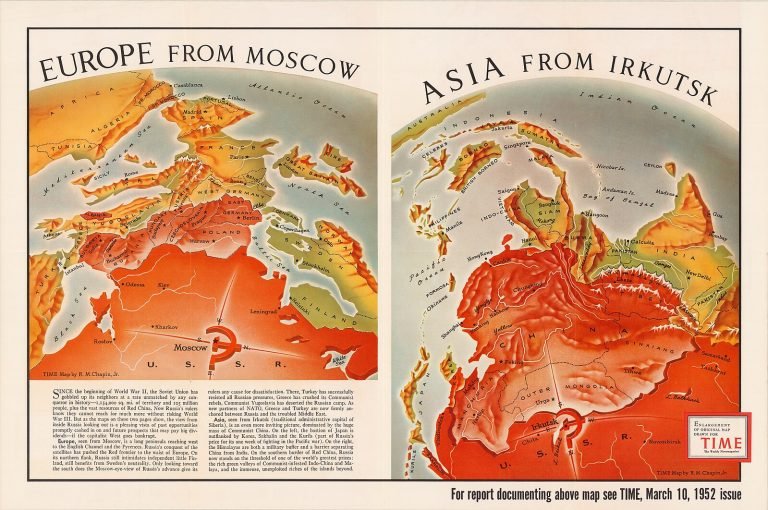
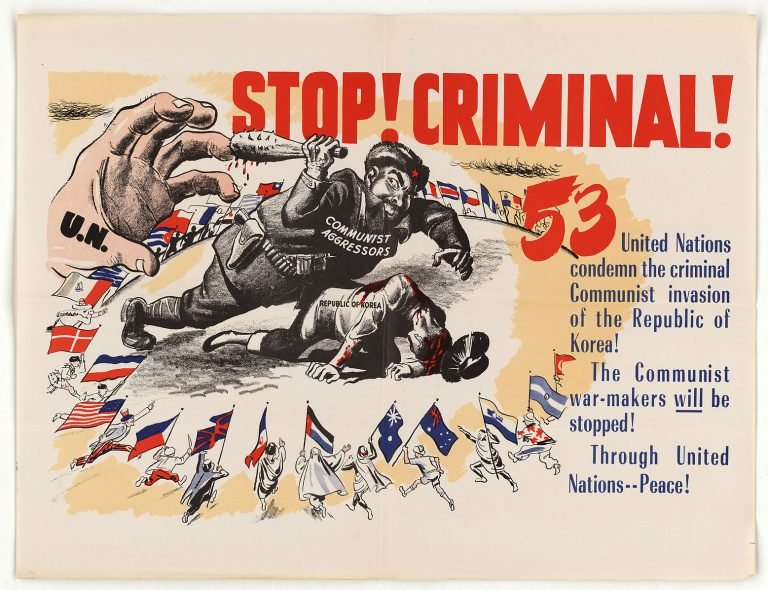
Nowhere is this clearer than on the Korean Peninsula. Freed from Japanese colonial rule in 1945, Korea should have emerged unified and independent. Instead, it became one of the earliest and most tragic symbols of Cold War division. Temporary administrative zones, drawn hastily along the 38th parallel, hardened into political borders. Two rival regimes emerged, each claiming legitimacy over the entire peninsula.
The Korean War was not an accident. It was the product of unresolved colonial trauma, competing visions of governance, and global strategic calculation. When war erupted in 1950, it devastated the peninsula. Cities were leveled, populations displaced, and families divided permanently. The armistice that ended open fighting did not bring peace. It froze the conflict into place, creating one of the most militarized borders on Earth. Korea remains divided not because the war was lost, but because it never truly ended.
Vietnam followed a different yet equally devastating path. The struggle there began not as a Cold War conflict, but as a war of decolonization. Vietnamese resistance against French rule was rooted in nationalism, not ideology. Yet as the global Cold War intensified, Vietnam’s struggle was reframed. What began as a fight for independence became a proxy battlefield between competing worldviews.
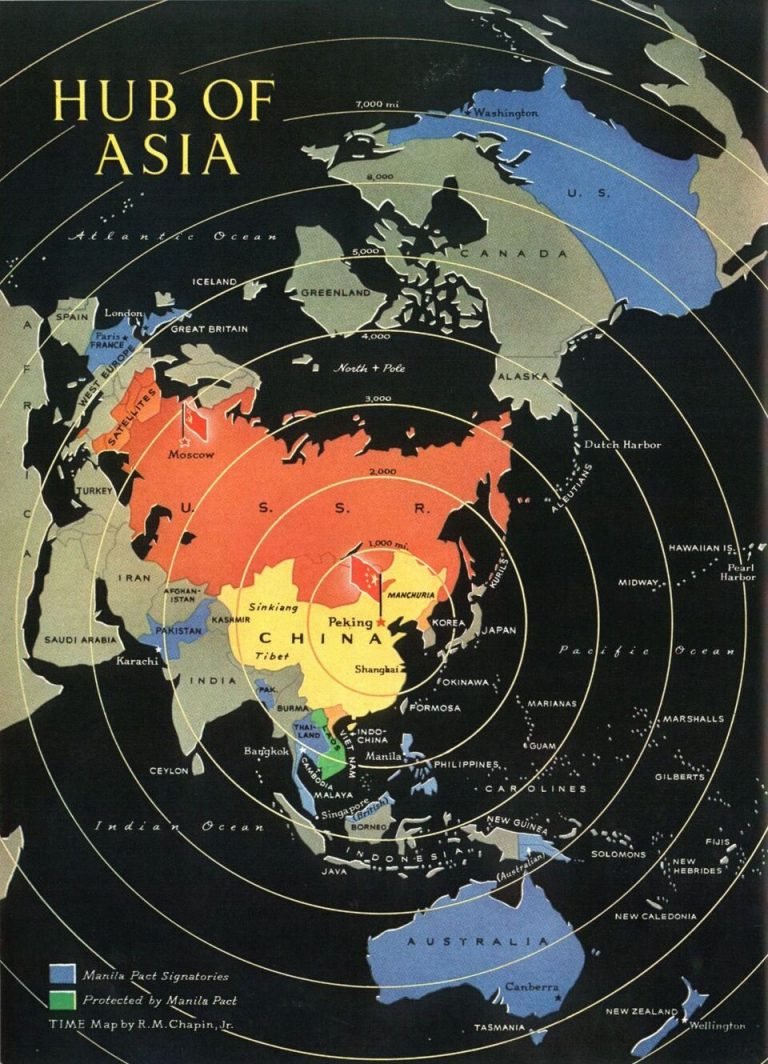
The Vietnam War revealed the limits of foreign intervention in shaping national destiny. Years of bombing, ground combat, and political manipulation tore the country apart. Villages were destroyed, landscapes scarred, and generations traumatized. When the war ended, it did not simply unify Vietnam under a new regime. It reshaped regional politics, refugee flows, and global perceptions of power. Vietnam emerged victorious in its own terms, yet deeply scarred by the cost of becoming a Cold War battleground.
China’s Cold War experience was fundamentally different. The Chinese Revolution was not a byproduct of the Cold War. It was one of its catalysts. When the People’s Republic of China was established in 1949, it transformed the global balance of power overnight. China’s alignment with communism was not merely ideological. It was the outcome of decades of internal conflict, foreign invasion, and revolutionary mobilization.
China’s early Cold War years were marked by isolation, confrontation, and internal transformation. Participation in the Korean War signaled China’s arrival as a major power, but at enormous human cost. Subsequent decades saw China navigate a complex path between ideological purity and pragmatic survival. Internal campaigns reshaped society, while foreign policy oscillated between confrontation and cautious engagement. By the late Cold War, China had emerged not as a subordinate player, but as an independent center of power whose legacy still defines Asia’s strategic landscape.
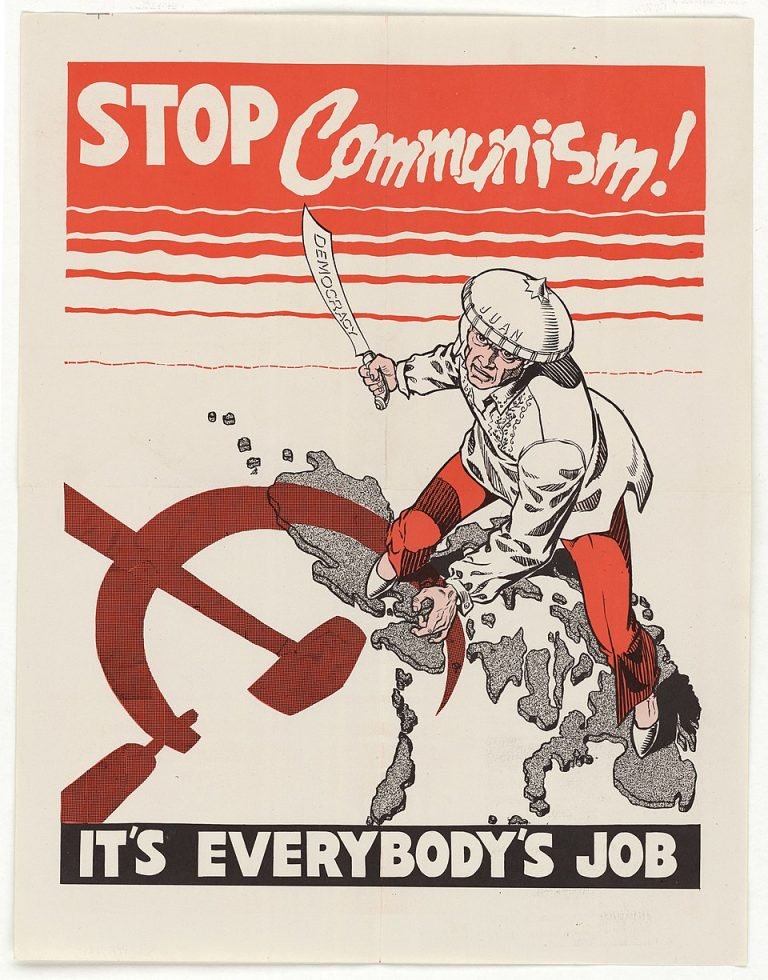
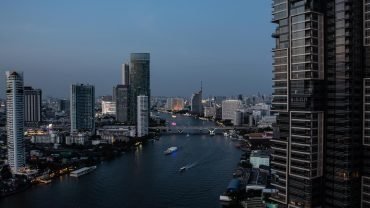
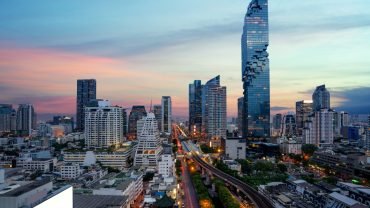
Thailand’s Cold War story is often overlooked precisely because it lacked a single defining battlefield. Yet Thailand’s experience reveals another face of the Cold War in Asia. Rather than revolution or division, Thailand experienced alignment. Positioned strategically in Southeast Asia, Thailand became a key partner in the anti-communist bloc. Foreign bases, aid, and influence flowed in, shaping domestic politics and economic development.
The Cold War in Thailand unfolded through counter-insurgency, internal surveillance, and political maneuvering rather than open warfare. Ideology influenced governance, education, and media. The absence of large-scale war did not mean the absence of impact. Thailand’s political institutions, security structures, and regional role were deeply shaped by its Cold War positioning. This quieter Cold War left subtler but enduring marks.
Across Asia, proxy wars transformed everyday life. Farmers, students, monks, and workers found themselves caught between forces they did not control. Ideological labels often obscured local grievances and aspirations. In many cases, violence outlasted the ideological moment that justified it. Borders drawn or reinforced during this period remain among the most contested in the world.
Memory of the Cold War in Asia is uneven. Some societies institutionalized remembrance through museums and memorials. Others chose silence. In Korea, division is visible and unavoidable. In Vietnam, war memory is woven into national narrative. In China, Cold War history is contextualized within a longer story of revival and sovereignty. In Thailand, Cold War memory often fades into the background of economic success and political continuity.
Traveling through Asia today reveals these layers of history embedded in space. The Demilitarized Zone in Korea is not merely a border but a living artifact of unresolved conflict. Former battlefields in Vietnam have returned to daily life, yet scars remain in landscape and memory. In China, revolutionary sites coexist with hyper-modern cities. In Thailand, former airbases and memorials quietly testify to a global struggle once fought through local alliances.
The Cold War reshaped Asia not only politically, but psychologically. It taught societies to view power, security, and identity through the lens of survival. Many of Asia’s current tensions trace directly back to this period. Alliances, rivalries, and strategic anxieties are inherited rather than invented.
Why does the Cold War in Asia still matter today? Because it explains why borders remain tense, why historical memory remains sensitive, and why regional politics often resist simple narratives. Asia was not a passive stage for Cold War drama. It was an active participant whose people paid the highest price.
The Cold War did not end in Asia in 1991. It transformed. Its legacies continue to shape how nations define themselves, how they relate to neighbors, and how they understand power. To understand modern Asia, one must understand how deeply the Cold War became part of its foundation.
Comment (0)