

China is one of those places where history does not simply sit inside museums — it breathes in the dust of forgotten palaces, whispers through abandoned cities swallowed by deserts, and lingers inside the ruins of ancient empires that once controlled half the known world. Traveling through China feels like stepping into a living timeline, stretching from the world’s first centralized state to the wars and revolutions that reshaped modern Asia. It is a journey into the heart of a civilization that has risen, collapsed, rebuilt itself, and transformed countless times across five millennia.
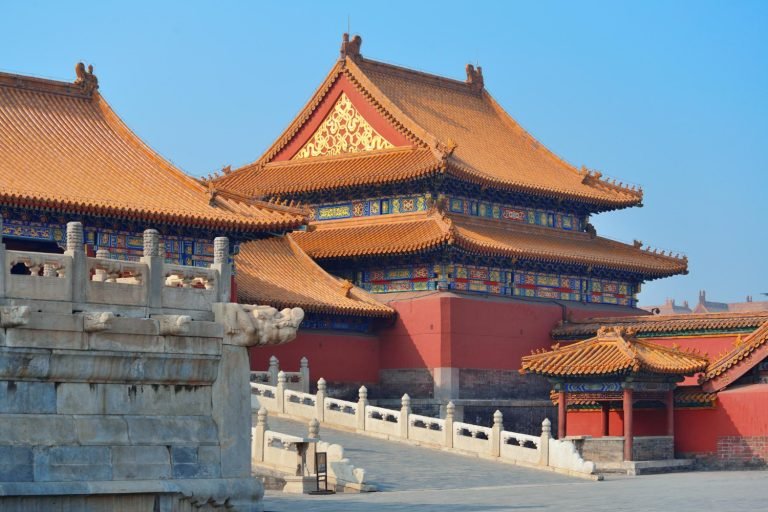
My own curiosity about China began long before I ever set foot in Beijing or Xi’an. The names of dynasties like Tang, Song, and Ming felt almost mythical — kingdoms filled with poets, warriors, emperors, astronomers, and philosophers. But walking through China changes everything. You begin to understand that this land is not defined by one empire, one city, or one era. It is shaped by layers of forgotten glory, war-torn memories, vanished capitals, and buried civilizations waiting beneath the soil.
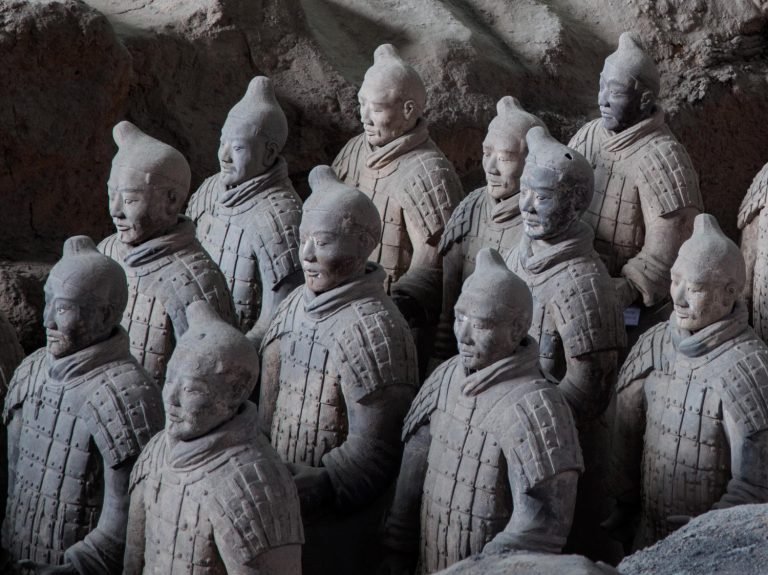
The deeper you travel, the more you realize that China’s story is not simply ancient. It is a story of rebirth — each dynasty rising from the ashes of conflict and chaos left behind by the one before. The Great Wall still carries the echoes of nomadic invasions and defensive wars. Terracotta soldiers still guard an emperor who unified China through conquest. Deserted Silk Road cities still preserve the remains of kingdoms destroyed by war, famine, and shifting trade routes. Even Beijing itself carries the scars of foreign invasion and political revolution. Everywhere you go, China’s travel history intertwines with conflict, collapse, and reinvention.
Yet China is not a place defined by ruin. It is a country of extraordinary reinvention, where forgotten empires are not merely historical footnotes but foundations for modern strength. Ancient capitals like Luoyang and Kaifeng may no longer dominate the world, but their cultural fingerprints shape Chinese identity today. The philosophies of Confucius still influence modern society, while the legends of Mulan, Yue Fei, and the Three Kingdoms continue to guide national spirit and popular culture. The remnants of wartime resistance — from the Nanjing Massacre memorials to WWII tunnels carved into mountain cities — reflect a century of modern struggle that shaped a rising nation.
For travelers, exploring China’s lost dynasties is more than visiting landmarks. It is about stepping into stories that shaped a civilization: desert cities consumed by sandstorms, forbidden palaces built by emperors who feared both enemies and eternity, river valleys where kingdoms battled for the Mandate of Heaven, and ancient trade corridors where soldiers, monks, merchants, and migrants traveled across continents. Every site tells a different version of China — not the simplified history found in textbooks, but the raw and complicated reality that makes the country endlessly fascinating.
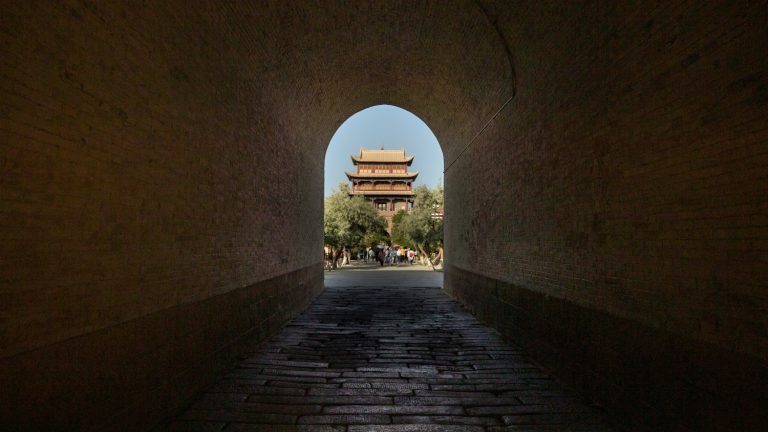
In the end, traveling China is an invitation to see how history, war, myth, and rebirth coexist. It is a place where dynasties rise and fall like waves, where forgotten cities continue to echo with life long after their people vanished, and where modern skylines grow on top of foundations built thousands of years ago. This journey into China’s forgotten empires reveals not just the past — but the resilience, imagination, and depth of a civilization that continues to redefine itself long into the future.

Comment (0)