

Few historical figures have traveled so far from their origins as the samurai. Once a class of armed retainers navigating shifting loyalties and brutal politics, they have been transformed by cinema into symbols of timeless honor, moral purity, and disciplined violence. Films portray samurai as solitary warriors guided by an ancient code, choosing death over compromise and justice over power. This image is compelling, cinematic, and deeply misleading.
The global myth of the samurai did not emerge naturally from history. It was constructed gradually through selective memory, nationalist reinterpretation, and modern media. To understand what movies get wrong, one must first understand who the samurai actually were and why their reality resists romanticization.
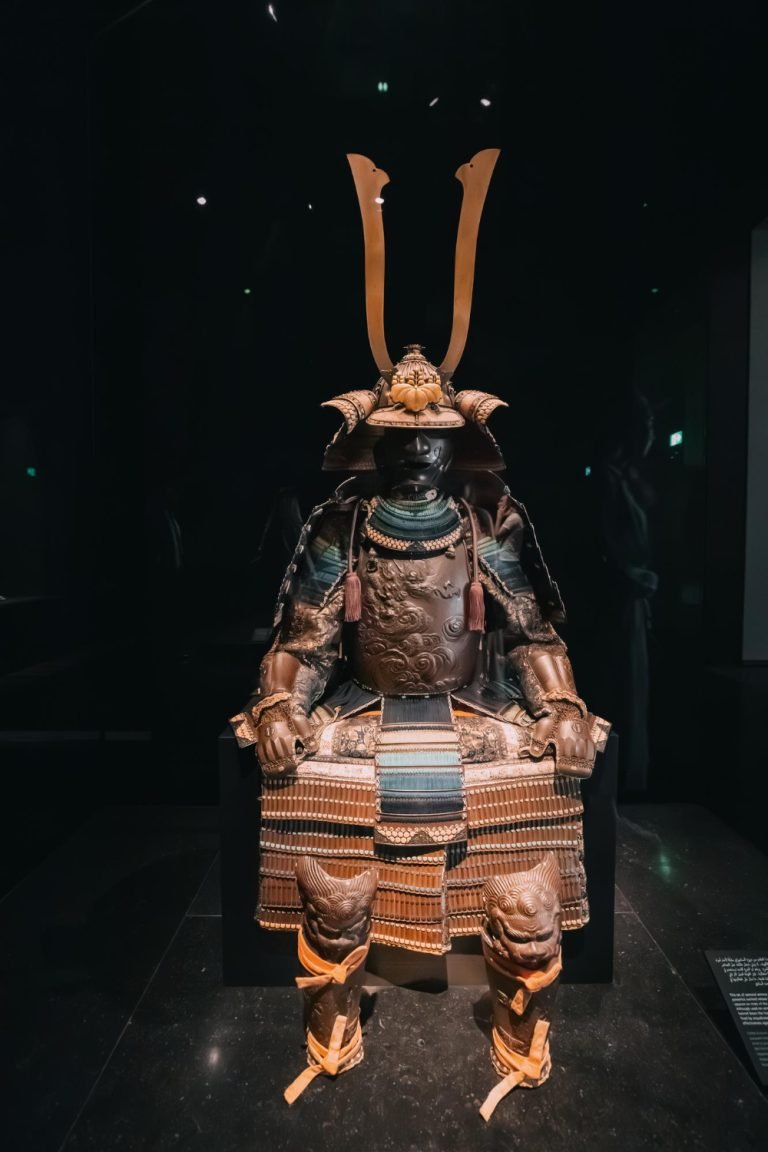
Samurai armor displayed in a historical museum
The samurai did not begin as philosophers or moral exemplars. They emerged during periods of instability when centralized authority was weak and violence was common. Early samurai were professional fighters hired to protect land, collect taxes, and enforce authority. Their primary function was survival, not virtue. Loyalty was transactional, and morality was shaped by necessity rather than idealism.
In medieval Japan, power shifted constantly. Clans rose and fell. Alliances changed. Betrayal was not an aberration but a strategy. Samurai served lords as long as service aligned with survival and advantage. When circumstances changed, allegiances shifted. This flexibility was essential. The idea of unwavering loyalty regardless of consequence is a later projection, not historical reality.
Violence defined the samurai world, but not in the stylized manner depicted on screen. Combat was chaotic, collective, and pragmatic. Battles involved formations, ambushes, and numbers, not duels of honor. Killing was not ceremonial. It was efficient. Honor did not prohibit deception or retreat. Survival mattered more than purity.
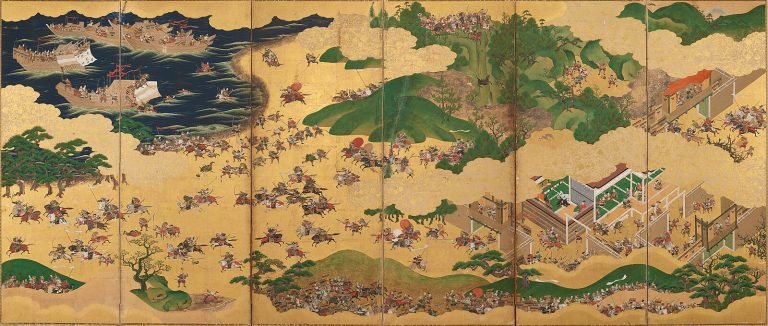
Kamakura period sites associated with early samurai rule
The concept of Bushido is central to the myth. Movies present Bushido as an ancient, rigid code governing every aspect of samurai life. In reality, Bushido as a unified ethical system did not exist during most of the samurai era. It was articulated retroactively, particularly during periods of peace when the warrior class needed justification for its social position.
Bushido functioned as cultural memory rather than historical law. It distilled selective values such as loyalty, courage, and self-restraint while ignoring opportunism, brutality, and political calculation. It provided moral coherence to a class whose original function had diminished. The samurai became administrators, bureaucrats, and symbols. Honor replaced necessity.
Loyalty itself was more complex than films suggest. Samurai loyalty was hierarchical and conditional. It flowed upward toward power rather than abstract ideals. Lords who failed to protect or reward their retainers lost allegiance. Service was reciprocal. The romantic notion of absolute loyalty unto death emerged later, shaped by ideological needs rather than lived practice.
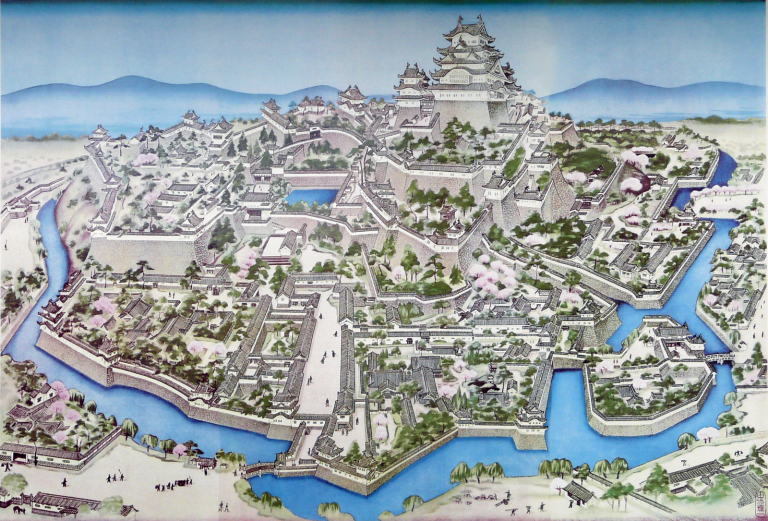
Himeji Castle reflecting governance
The relationship between samurai and the state evolved dramatically. During long periods of peace, particularly in the early modern era, samurai were transformed from warriors into officials. They enforced law, collected taxes, and maintained order. Their swords became symbols rather than tools. Many samurai never fought in battle. Their identity became performative.
This transformation created anxiety. A warrior class without war required a narrative to preserve relevance. Honor filled that role. Ritualized conduct, elaborate etiquette, and moral discourse replaced battlefield necessity. Death rituals became symbolic affirmations of identity rather than practical responses to failure.
The modern myth of the samurai crystallized during Japan’s encounter with the West. Facing imperial pressure and internal change, Japan reimagined its past to construct a coherent national identity. The samurai were elevated as embodiments of timeless Japanese values. Their complexity was simplified. Their violence was sanitized. Their contradictions were erased.
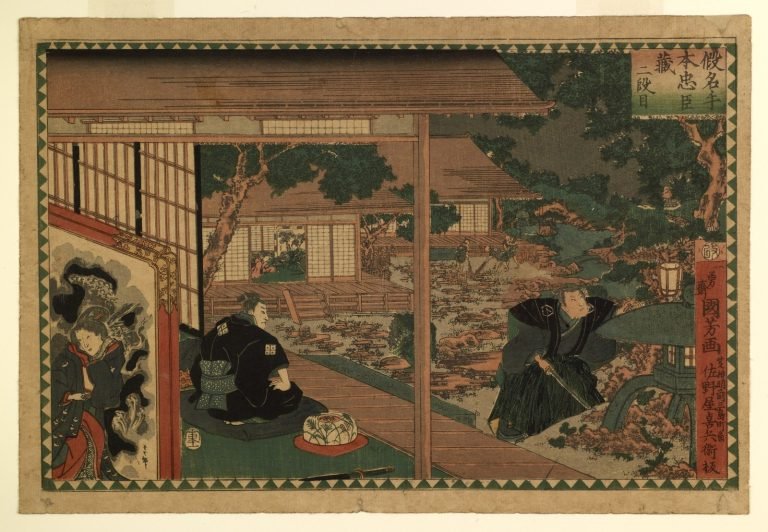
Edo period illustrations of samurai life
Cinema amplified this process. Films selected moments of restraint, sacrifice, and solitary courage while ignoring collective violence and political calculation. The samurai became cinematic heroes precisely because their reality was incompatible with heroic storytelling. Myth replaced history because myth traveled better.
International audiences embraced this image enthusiastically. The samurai offered a non-Western archetype that still aligned with familiar heroic tropes. Individualism, moral clarity, and noble death resonated globally. The messy reality of feudal politics did not.
Visiting historical samurai landscapes disrupts these illusions. Castles such as Himeji Castle reveal administrative centers rather than romantic fortresses. Former capitals like Kamakura show how governance and violence intertwined. Temples and estates illustrate social control, not lone heroism.
Modern Japan lives with the consequences of this myth. Samurai imagery continues to shape national self-perception and global branding. Yet the values associated with the myth are selectively remembered. Discipline and loyalty are praised. Violence and opportunism are forgotten.
Understanding what movies get wrong about the samurai matters because myth shapes expectation. It influences how people interpret Japanese history, ethics, and even contemporary behavior. When honor is seen as absolute and timeless, modern Japan is judged against an invented past.
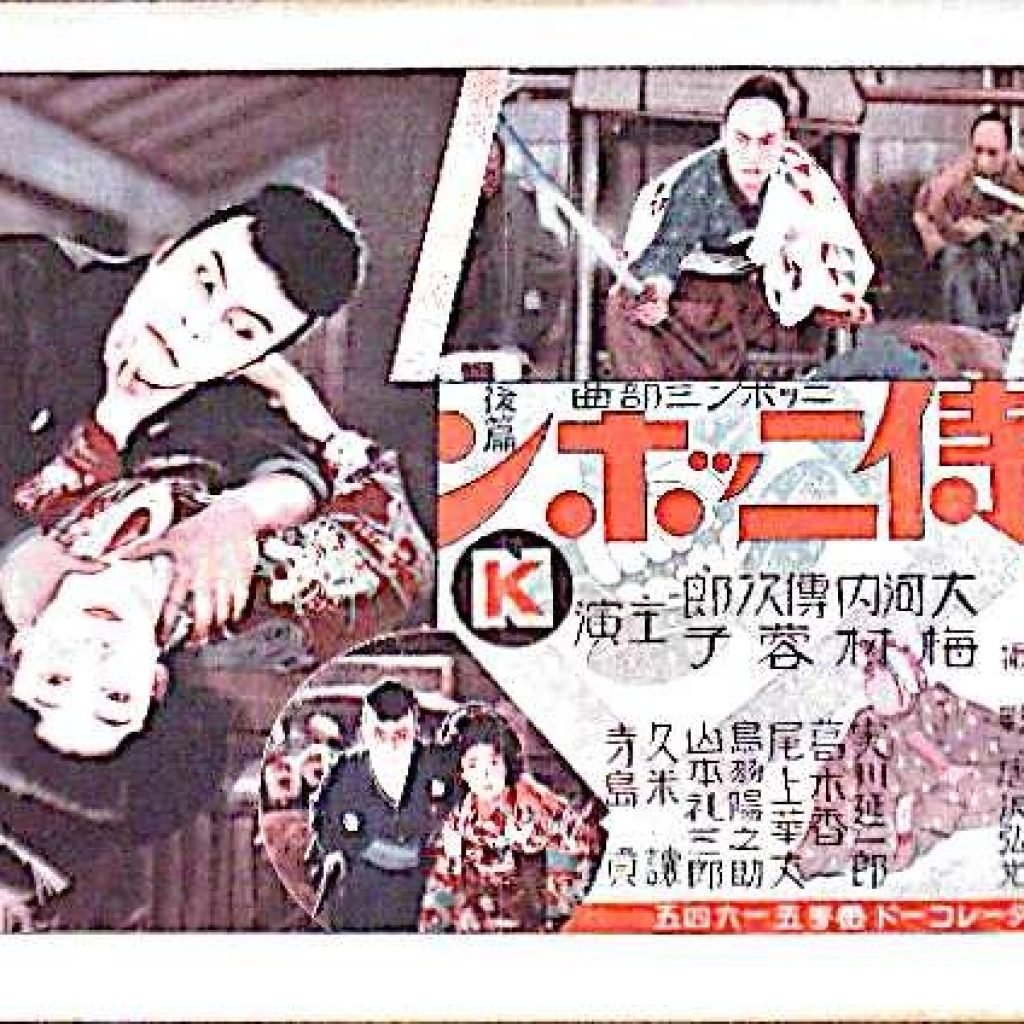
Cinematic portrayal of samurai inspired by Japanese film (Samurai Nippon 1931)
The samurai were not saints or villains. They were products of their time. They adapted, compromised, and survived within brutal systems. Their legacy deserves neither worship nor dismissal, but understanding.
The true story of the samurai is not less interesting than the myth. It is more human. It reveals how values are constructed, remembered, and repurposed. It shows how history becomes culture, and culture becomes fantasy.
Movies did not invent the samurai myth, but they perfected it. History offers something richer: a mirror of how societies transform necessity into virtue and violence into legend.



Comment (0)