

Vietnam is often introduced to the world through a single war. Images of helicopters, jungles, and foreign soldiers dominate global memory. Yet this framing misunderstands the country entirely. Vietnam was not shaped by one conflict, but by a century of continuous warfare that rarely paused long enough to be called peace.
War in Vietnam was not an event. It was an environment.
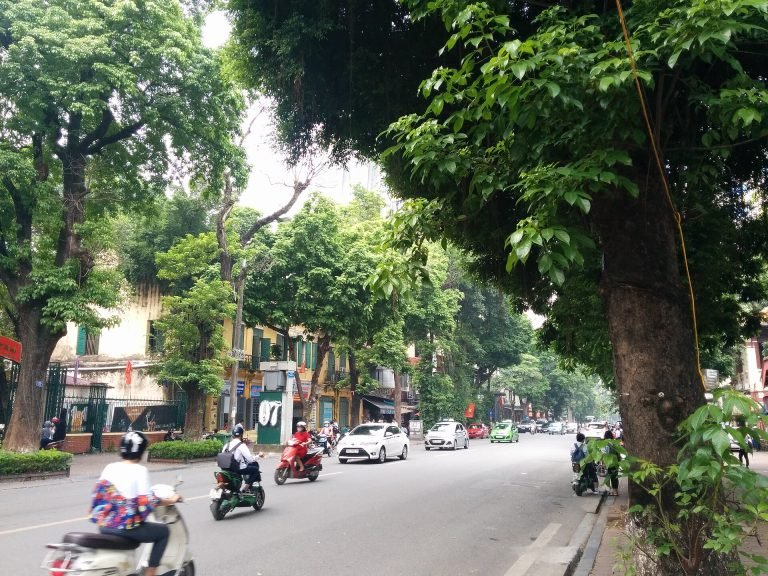
Hanoi streets reflecting colonial and wartime layers
From the late nineteenth century through the end of the twentieth, Vietnam experienced overlapping conflicts that reshaped its land, cities, and social structures. Colonial conquest, global war, ideological struggle, and civil conflict followed one another so closely that generations grew up without experiencing a stable absence of violence.
This continuity explains why Vietnam’s history is written into its landscape rather than preserved behind glass.
Under French colonial rule, Vietnam became a site of extraction and control rather than development for its people. Infrastructure was built to serve empire, not society. Roads, railways, and cities reflected foreign priorities. Resistance simmered beneath daily life.
World War II did not arrive as a separate chapter. Japanese occupation replaced French authority without dismantling colonial systems. Power shifted hands, but exploitation remained. Famine followed. Millions died not from direct violence, but from systemic collapse.
When the war ended, Vietnam did not receive peace. It inherited another struggle.
The fight for independence became war again, this time against returning colonial forces. When that conflict ended, the country split, and war continued under new ideology. Foreign intervention transformed Vietnamese land into strategic terrain. Bombing campaigns reshaped forests, rivers, and villages. Chemical warfare altered ecosystems permanently.
For Vietnam, war was not something that happened to soldiers. It happened to land.
Across Vietnam, landscapes became records of violence. Forests were cleared to expose movement. Rivers became supply routes and barriers. Mountains sheltered resistance and suffering. Villages were destroyed and rebuilt repeatedly, sometimes in the same location.
The land absorbed what people could not carry.
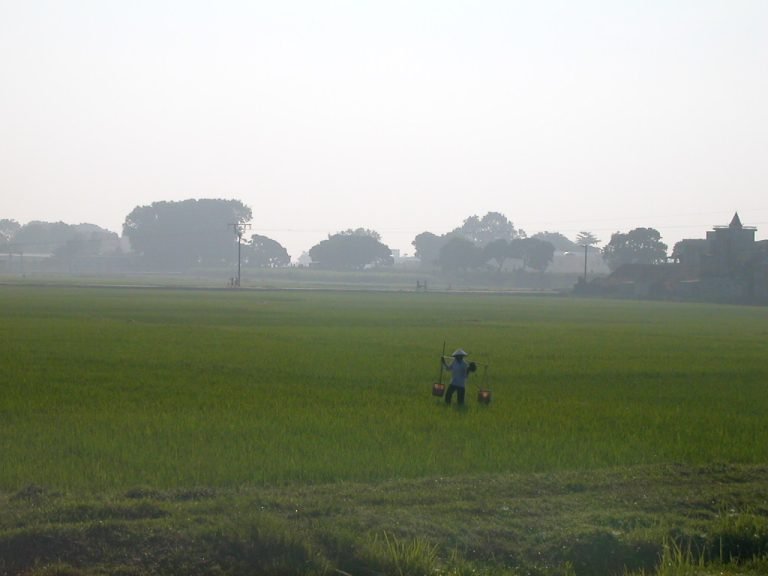
Vietnamese countryside shaped by decades of war
Cities evolved under constant pressure. In Hanoi, colonial boulevards, wartime bunkers, and socialist architecture coexist without explanation. In Ho Chi Minh City, modern development overlays neighborhoods shaped by decades of conflict and displacement. In Hue, imperial heritage intersects with memories of intense urban warfare.
These cities do not present war as spectacle. They incorporate it.
What distinguishes Vietnam is not the scale of destruction alone, but the way survival became normalized. Civilians adapted to air raids, shortages, and uncertainty as routine. Silence became habit. Trauma became inherited rather than spoken.
This inheritance still shapes behavior. Attitudes toward authority, resilience, and community reflect a society conditioned by survival.
Public memory in Vietnam balances remembrance and restraint. War is acknowledged, but not endlessly revisited. The focus is forward-looking. Reconstruction, growth, and stability became priorities after decades of exhaustion.
This approach can confuse travelers.
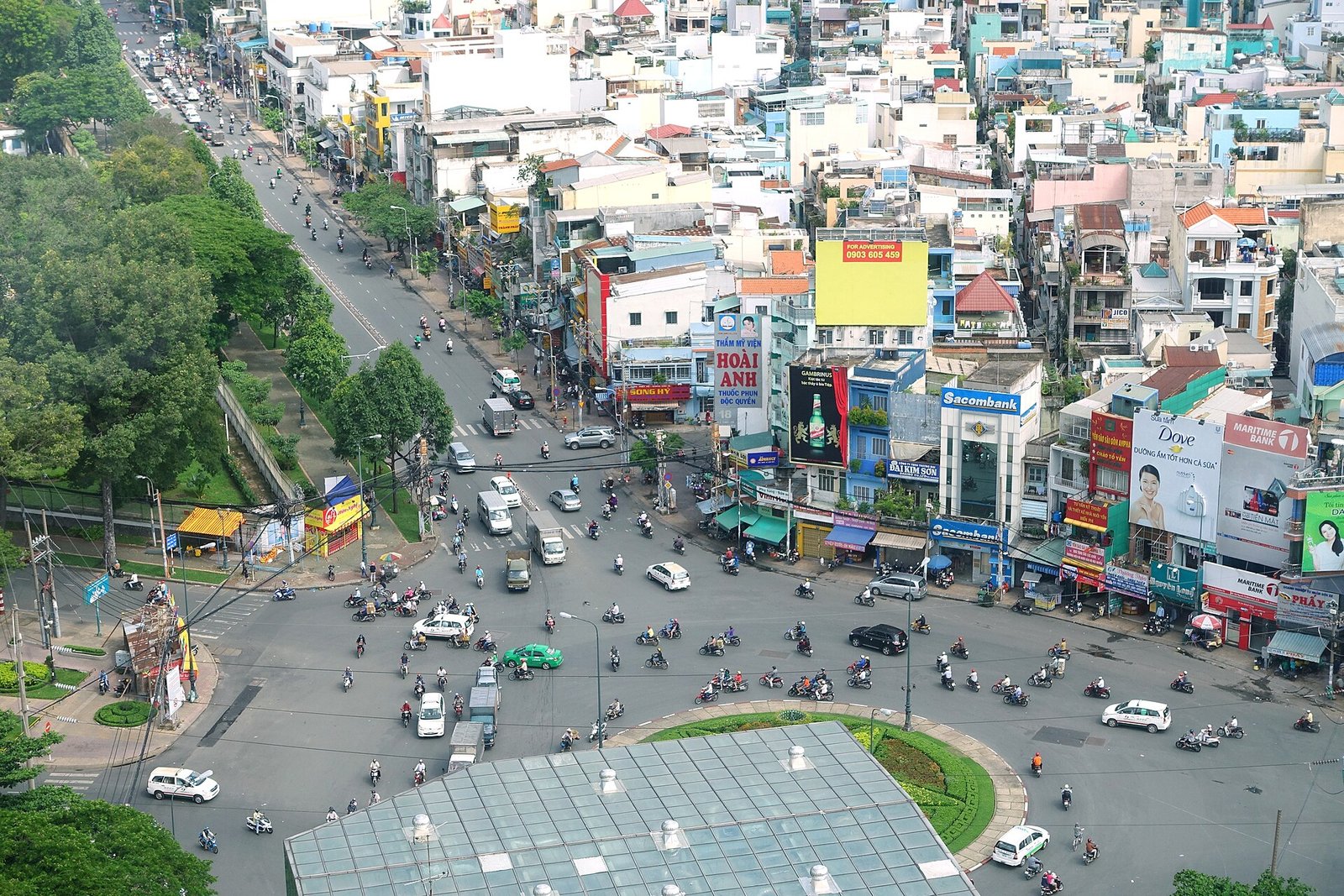
Ho Chi Minh City neighborhoods shaped by conflict
Visitors often seek clear narratives, dramatic sites, and emotional closure. Vietnam offers none of these neatly. Its war history is diffuse. It appears in unexpected places and quiet moments.
A road cutting through mountains once carried troops. A river cruise follows supply routes. A peaceful village stands where fighting once erased it. Without context, these places seem ordinary.
With context, they feel heavy.
Traveling Vietnam beyond war museums requires slowing down and observing how history shaped space. Museums provide entry points, but landscapes provide understanding.
Understanding Vietnam’s war history means recognizing that the country did not move from war to peace in a straight line. It learned to live within instability and rebuild continuously.
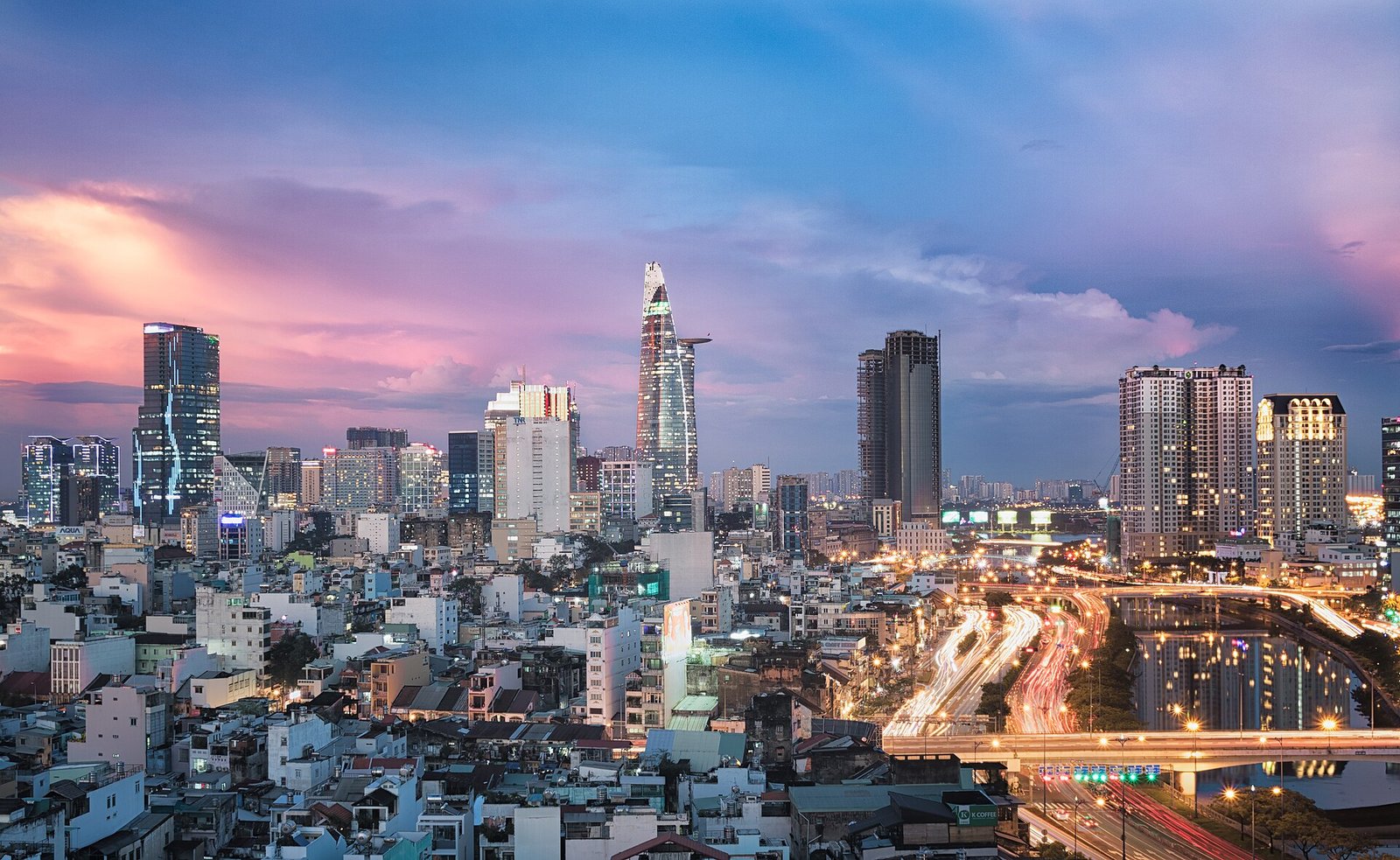
Vietnam landscapes carrying hidden war history
Today’s Vietnam is vibrant, young, and outward-looking. This vitality exists because survival demanded adaptation. Growth became an act of defiance against history.
Traveling Vietnam with awareness does not mean seeking tragedy. It means respecting endurance.
It means recognizing that beauty here often exists because people refused to abandon land that hurt them.
Vietnam teaches that history does not always end. Sometimes it settles into the ground.
And travelers walk across it every day.
Vietnam’s history is not confined to museums.
It lives in roads, rivers, cities, and fields.
Travel beyond war museums,
and walk the land where history never fully left.
Comment (0)