

The twentieth century did not begin with Asia at the center of world affairs. At its opening, Asia was largely governed by external powers, its political futures constrained by empires headquartered elsewhere. Yet by the century’s end, Asia had become the primary arena where global power was contested, where wars were fought at the greatest scale, and where the consequences of conflict reshaped the international order. This transformation was not accidental. It was the result of geography, resources, imperial collapse, ideological struggle, and the collision between old civilizations and modern systems of power.
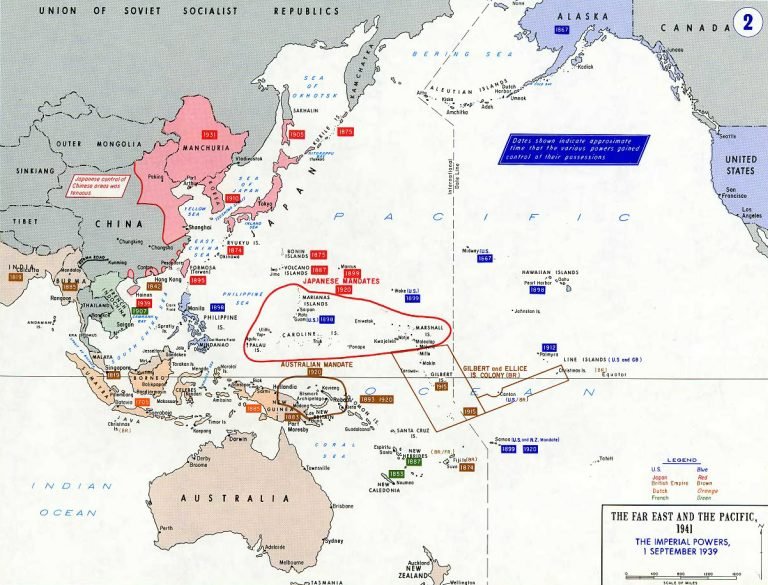
Before global war arrived, Asia was already a region under strain. European empires dominated much of the continent, extracting resources and enforcing political systems that prioritized stability over representation. Indigenous states existed, but their sovereignty was limited. Borders were drawn for administrative convenience rather than cultural coherence. Beneath the surface, resentment simmered, nationalism grew, and societies struggled to reconcile ancient identities with modern pressures.
Credit: “Image courtesy of the U.S. National Archives (NARA). Public Domain.”
Asia’s geography made it unavoidable in global conflict. The continent sat astride the world’s most important trade routes, linking Europe, Africa, and the Americas. Its landmass contained immense natural wealth, from oil and rubber to coal, iron, and fertile agricultural zones. Control of Asia meant control of supply chains essential to industrial warfare. As modern war became dependent on resources, Asia’s strategic value increased exponentially.
The old imperial order could not withstand the pressures of the twentieth century. World War I weakened European empires financially and morally. Their grip on Asia loosened, even as they attempted to reassert control. This instability created a vacuum. Local movements sought independence, while new powers looked outward for expansion. Asia became the stage upon which declining empires and rising ambitions collided.
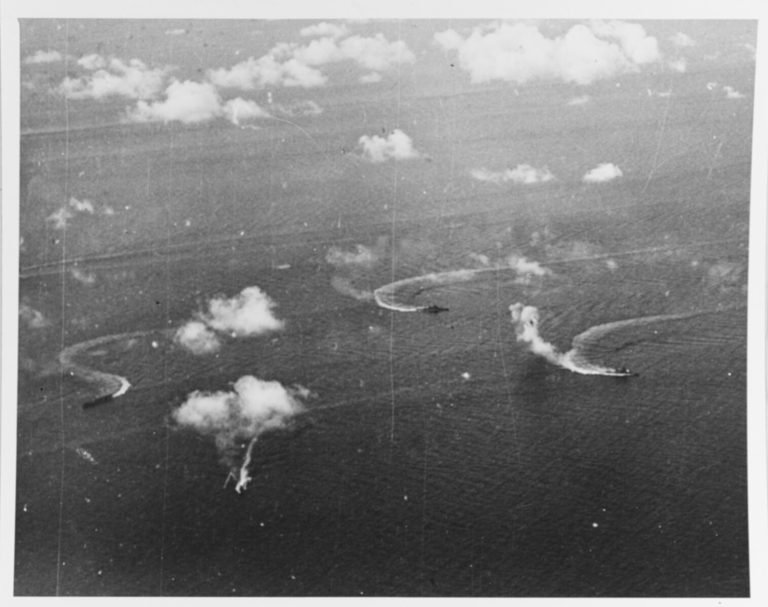
Japan’s emergence as a modern military power altered Asia’s trajectory decisively. Unlike European empires, Japan framed its expansion as an Asian response to Western domination. This narrative resonated in some quarters, but its reality was brutal. Japan’s militarization transformed Asia into a zone of total war well before Europe experienced similar devastation. Conflict in China, Korea, and Southeast Asia escalated into a regional conflagration that drew in global powers.
Credit: “Image courtesy of the U.S. National Archives (NARA). Public Domain.”
China’s experience exemplifies why Asia could not escape conflict. Internal fragmentation, foreign invasion, and revolutionary upheaval overlapped for decades. War was not an interruption of normal life; it became the condition under which modern China emerged. The scale of suffering, mobilization, and ideological transformation in China alone would have made Asia central to global history. Combined with regional war, it made Asia unavoidable.
World War II intensified these dynamics beyond precedent. Asia became the site of the largest land battles, the most destructive occupation regimes, and the first use of nuclear weapons. The war was not limited to armies. It consumed societies. Civilians, infrastructure, and entire cities became targets. Asia’s experience of total war left deep scars that shaped postwar politics and identity.
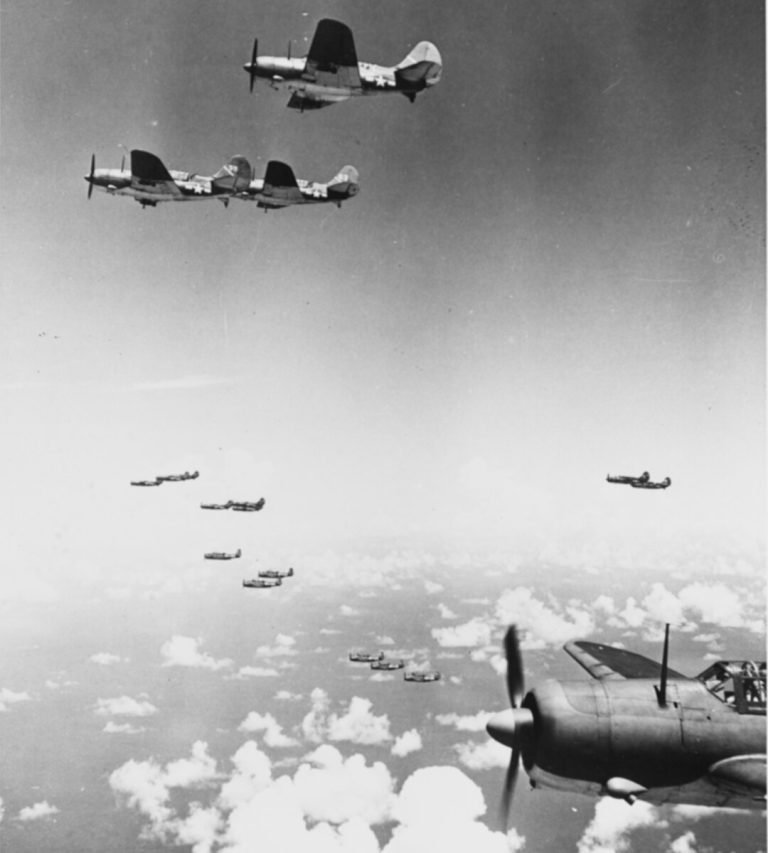
The end of World War II did not bring peace to Asia. It ushered in a new phase of conflict. The Cold War turned Asia into the primary arena where ideology translated into violence. Unlike Europe, where borders stabilized, Asia remained fluid. Civil wars, revolutions, and proxy conflicts erupted across the continent. Korea, Vietnam, and other regions became battlegrounds not only for local futures but for global visions of order.
Credit: “Image courtesy of the U.S. National Archives (NARA). Public Domain.”
Decolonization added another layer of tension. As empires retreated, new nations emerged with borders inherited from colonial rule. These borders often ignored ethnic, cultural, and historical realities. Independence brought hope, but also instability. Conflicts over territory, governance, and identity erupted almost immediately. Asia’s postcolonial states were born into a world already polarized by ideology.
Ideology mattered deeply in Asia because it intersected with existing social fractures. Communism, nationalism, and anti-imperialism offered frameworks through which mass populations could mobilize. These movements were not imposed from outside alone. They resonated with lived experience. As a result, Asia’s conflicts were not only geopolitical. They were deeply internal, involving entire societies rather than professional armies alone.
By the late twentieth century, Asia had absorbed more of the world’s warfare than any other region. Its cities were rebuilt over ruins, its borders hardened through ceasefires rather than treaties, and its memories shaped by loss. Even where peace prevailed, it was often uneasy, grounded in deterrence rather than reconciliation.
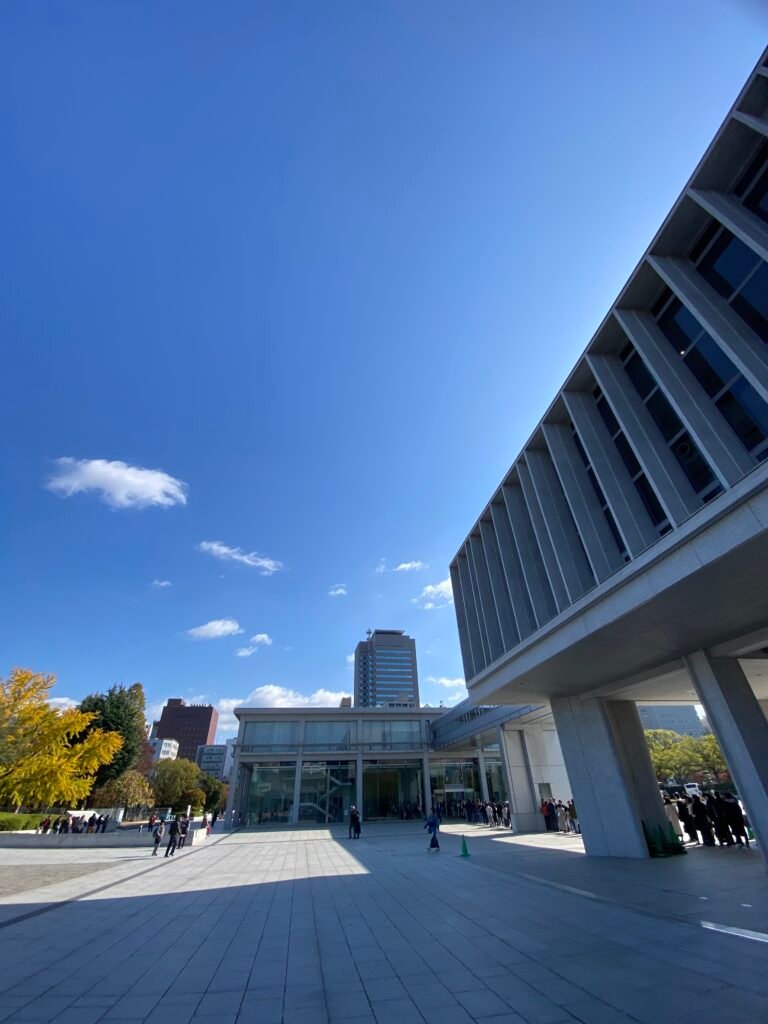
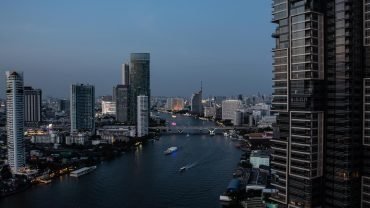
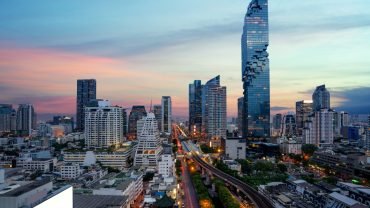
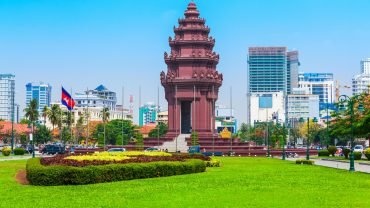
Traveling across Asia today reveals how deeply the twentieth century’s conflicts remain embedded in the landscape. Demilitarized zones, memorial halls, former colonial districts, and reconstructed capitals stand side by side with modern megacities. Places such as Seoul, Hanoi, Nanjing, and Hiroshima are not simply destinations. They are historical documents written in stone, concrete, and absence.
Asia became the center of global conflict because it was where the old world collapsed and the new world was forged simultaneously. Empires fell before alternatives were ready. Ideologies arrived faster than institutions. Modern war met ancient civilizations without pause. The twentieth century forced Asia to confront modernity at its most violent.
This history still matters. Asia’s contemporary geopolitics, alliances, and tensions cannot be understood without recognizing how deeply conflict shaped the region’s foundations. The twentieth century did not end its influence when the calendar turned. It continues to shape decisions, fears, and ambitions across the continent.
Asia was not merely a victim of global conflict. It was the crucible in which the modern world was formed.
Comment (0)