

World War II ended in 1945, but for much of Asia, peace did not arrive with surrender ceremonies or victory parades. Instead, the war dissolved into a series of internal conflicts that would define the second half of the twentieth century. Civil wars erupted across East Asia, Southeast Asia, and parts of South Asia with a frequency unmatched in other regions. These wars were not accidents of instability. They were the consequence of how World War II ended in Asia, how empire collapsed, and how global power rushed in to fill the vacuum.
In Europe, World War II concluded with defeat, occupation, and reconstruction under a relatively unified international order. In Asia, the war fractured authority without replacing it. Colonial administrations collapsed rapidly under Japanese invasion, but their removal did not produce consensus about who should rule next. Power vacuums emerged everywhere. Competing groups claimed legitimacy through nationalism, revolution, religion, or ideology. The result was not peace, but struggle.
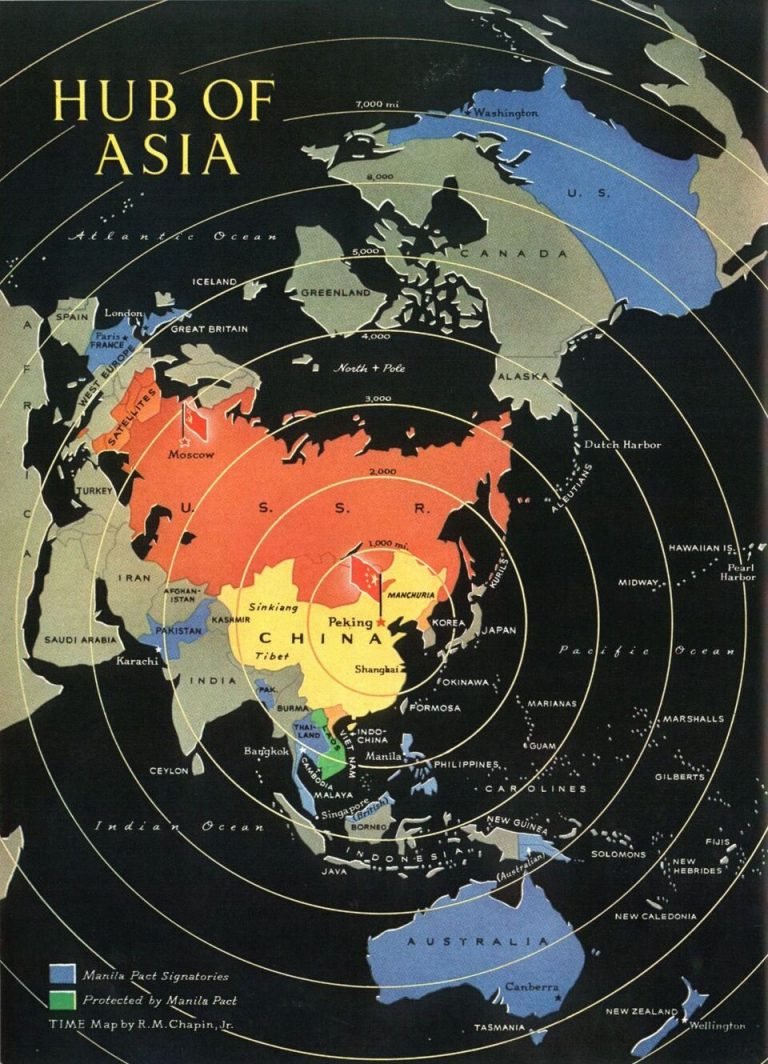
Cold War map illustrating proxy conflicts across Asia
Empire had suppressed internal divisions without resolving them. Colonial rule often relied on existing hierarchies, ethnic divisions, or regional rivalries to maintain control. When empire collapsed, these divisions resurfaced immediately. Independence did not mean unity. It meant competition for the right to define the new state.
Decolonization in Asia occurred under extraordinary pressure. New nations were born amid economic devastation, social disruption, and political uncertainty. Institutions were weak or nonexistent. Borders were inherited rather than negotiated. In many cases, independence movements themselves were internally divided between moderates and radicals, secular nationalists and religious leaders, reformers and revolutionaries. When independence arrived, it did not settle these debates. It intensified them.
The Cold War transformed these internal struggles into international battlegrounds. Asia became the primary arena where ideological rivalry between the United States and the Soviet Union intersected with local grievances. Civil wars were no longer domestic affairs. They were framed as global tests. Support flowed in the form of weapons, advisors, and political recognition. Conflict became prolonged, intensified, and difficult to resolve.
Ideology mattered deeply. Competing visions of the future divided societies. Capitalism, socialism, communism, and nationalism offered different answers to poverty, inequality, and governance. In societies emerging from colonial exploitation, these ideologies were not abstract theories. They promised dignity, justice, or stability. Choosing one often meant rejecting others violently.
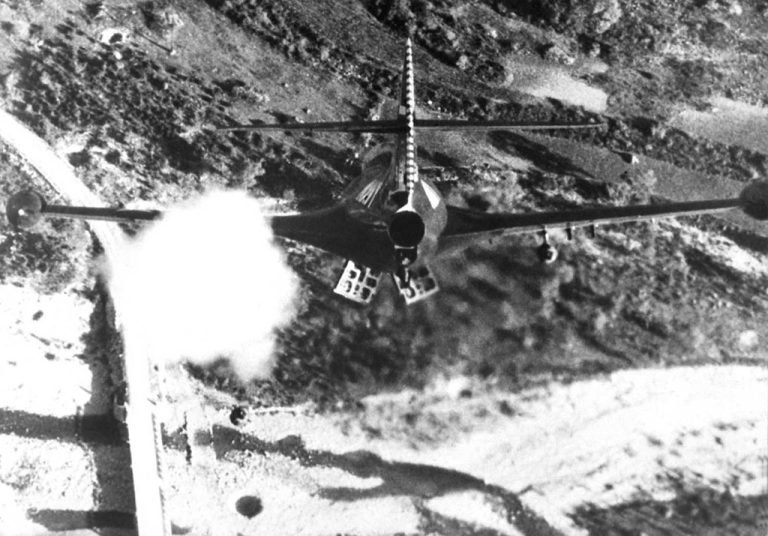
Aftermath of the Korean War showing divided landscapes
China’s revolution reshaped Asia’s political landscape. The victory of a revolutionary movement in China demonstrated that radical transformation was possible. It inspired movements across the region and terrified existing elites. Civil wars elsewhere were fought with China’s example looming large, either as aspiration or threat. Revolution became contagious.
The Korean Peninsula illustrates how civil war could become permanent division. After liberation from Japanese rule, ideological rivalry hardened quickly. What began as an internal struggle escalated into full-scale war with international involvement. The conflict ended without resolution, freezing division into geography. The line dividing the peninsula normalized the idea that civil war could be managed rather than solved. Asia learned to live with unresolved conflict.
Southeast Asia experienced some of the longest civil wars of the twentieth century. In Vietnam, anti-colonial struggle merged with ideological confrontation, producing decades of warfare. In Cambodia, civil war combined with radical social engineering, leaving trauma that persists today. In Myanmar, independence was followed almost immediately by internal conflict that has never fully ended.
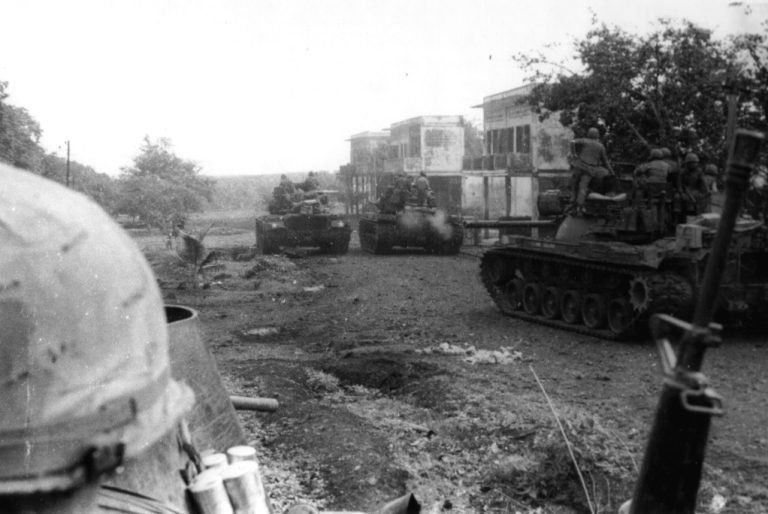
Ruins remaining from Cambodia’s civil conflict
Why were these wars so difficult to stop? Because they were not fought solely over territory. They were fought over legitimacy. Who represented the nation? Whose vision of society would prevail? Compromise felt like betrayal. Victory became existential.
Foreign intervention further entrenched conflict. External powers supplied resources that allowed wars to continue long after local capacity might have collapsed. Peace negotiations were complicated by international interests. Ending a war locally risked losing influence globally. Asia’s civil wars were rarely allowed to burn out naturally.
Civil wars also reshaped societies profoundly. Militarization became normal. Violence embedded itself into political culture. Trust eroded. Generations grew up knowing conflict as routine rather than exception. Postwar reconciliation proved difficult because war never felt fully over.
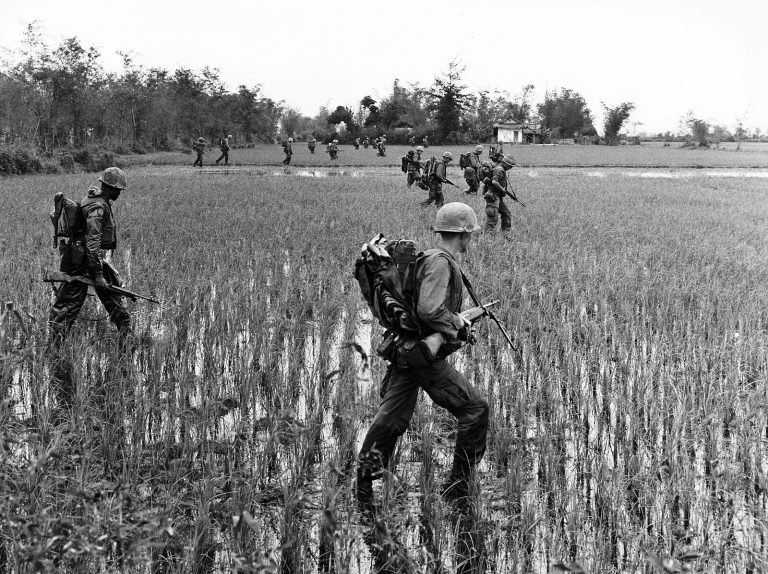
Vietnamese War shaped by decades of war
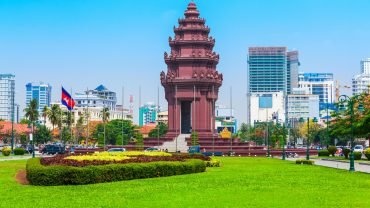
Traveling through Asia today reveals the lingering imprint of these conflicts. Landscapes carry memory quietly. Roads follow old frontlines. Cities rebuilt over ruins hide unresolved trauma. Places like Hanoi, Phnom Penh, and Yangon bear scars not always visible to casual visitors. Civil war shaped how these cities function, govern, and remember.
Asia’s civil wars did not occur because the region was uniquely violent. They occurred because Asia entered the modern international system under conditions of collapse, competition, and intervention. The twentieth century arrived here as disruption rather than resolution.
These wars still matter because their consequences are unfinished. Political systems, borders, and identities across Asia were forged in conflict. Understanding why Asia experienced so many civil wars after World War II is essential to understanding its present. Stability here is not the absence of conflict. It is the management of unresolved history.
World War II ended on paper in 1945. In Asia, it simply changed form.
Comment (0)