

World War II is often remembered as a global conflict with a clear beginning, a definitive ending, and a shared moral conclusion. In Europe, the war is widely framed as a struggle between fascism and liberation, ending with defeat, accountability, and reconstruction. In Asia, such clarity never emerged. There is no single World War II narrative shared across the region. Instead, there are many overlapping, conflicting, and unresolved memories that resist unification.
The reason Asia never developed a single World War II narrative is not because the region lacks historical awareness. It is because Asia did not experience the war as one war. It experienced it as multiple wars happening simultaneously, often with opposing meanings, unresolved endings, and incompatible memories.
In Asia, World War II was not merely a conflict between Axis and Allies. It was also a war of empire, a war of liberation, a civil war, and the beginning of the Cold War, all at once. These layers never separated cleanly. They merged, clashed, and continued long after 1945.
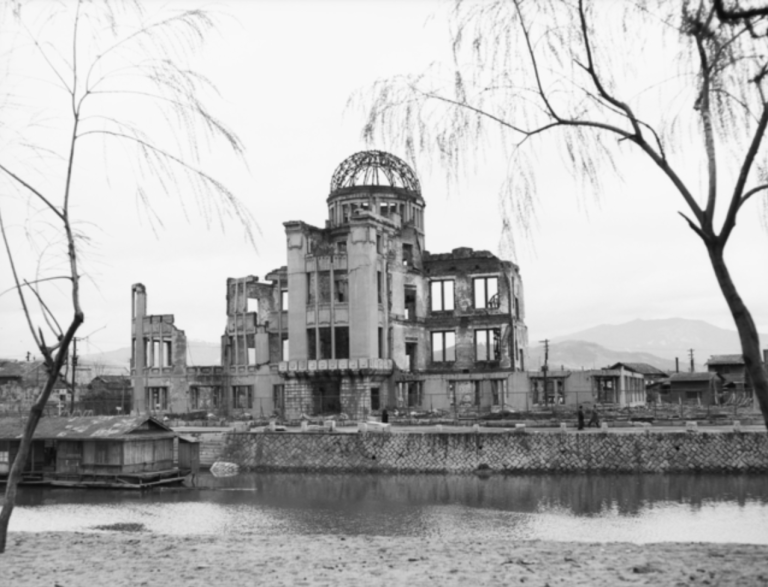
Hiroshima Peace Memorial Dome representing atomic devastation
For Japan, World War II is remembered primarily as defeat, devastation, and moral reckoning. For China, it is remembered as survival, resistance, and the foundation of modern national identity. For Korea, it is remembered as liberation shadowed immediately by division. These memories cannot be merged without erasing essential truths.
Japan entered World War II as an empire, not as a victim or a battleground. Its experience of the war is shaped by its role as an aggressor that later suffered catastrophic destruction. The atomic bombings, firebombing of cities, and total collapse of the state dominate Japanese memory. Suffering is real, but it arrived at the end of a longer chain of violence.
In Hiroshima, memory emphasizes peace, absence, and silence. The city speaks softly about devastation that defies explanation. This approach universalizes suffering while minimizing direct confrontation with responsibility. It reflects a society grappling with loss while avoiding reopening wounds that could destabilize postwar identity.
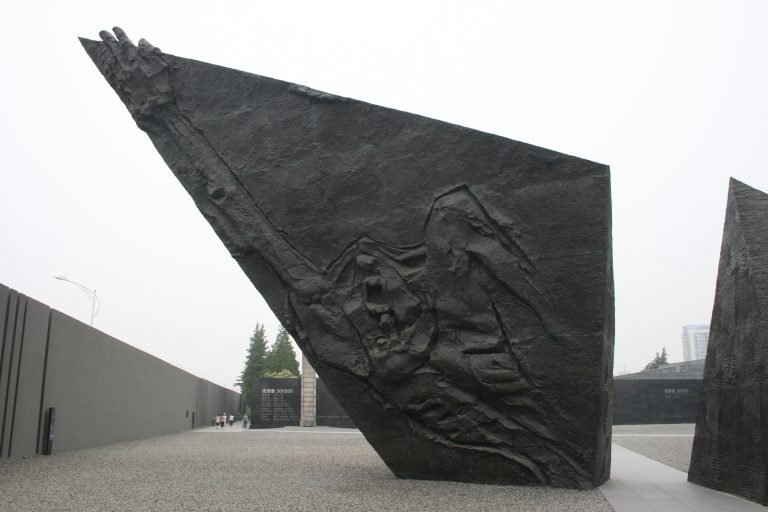
Nanjing Massacre Memorial symbolizing unresolved justice
In contrast, China remembers World War II not as a single ending, but as a prolonged struggle that merged seamlessly into civil war. The conflict against Japan did not deliver peace. It delivered revolution. World War II in China is inseparable from the founding of the People’s Republic of China and the ideological narratives that followed.
In Nanjing, memory is explicit, emotional, and confrontational. The city stands as proof of suffering that demands recognition. Denial elsewhere intensifies remembrance here. Memory fills the space where justice remains incomplete.
Korea’s experience further complicates any shared narrative. Liberation from Japanese rule in 1945 did not bring sovereignty or peace. It brought division imposed by external powers. World War II is remembered less as victory than as interruption.
In Seoul, colonial trauma blends into the trauma of civil war. The moment of liberation is inseparable from the beginning of another catastrophe. There is no clear line marking the end of World War II. History continues without pause.
Across Southeast Asia, World War II often appears as a brief but brutal interlude between colonial rule and independence struggles. Japanese occupation replaced European empire, but liberation did not restore autonomy. Instead, it accelerated violent transitions.
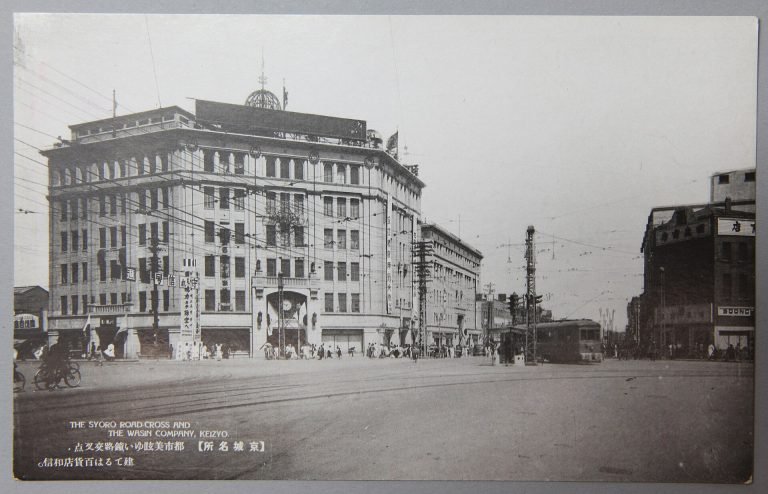
Colonial-era streets in Seoul reflecting layered memory
In places like Manila, wartime destruction rivaled that of European cities, yet global memory rarely centers here. Asian civilian suffering became peripheral to dominant narratives shaped elsewhere.
Colonial Asia occupies an especially fragile position in World War II memory. These societies were neither primary aggressors nor decisive victors. Their suffering was real, but their voices were marginalized. After the war, new nations focused on survival rather than remembrance. Memory fragmented further.
The Cold War deepened these divisions. Ideological alignment reshaped how World War II was remembered. In communist states, war memory served revolutionary legitimacy. In U.S.-aligned states, memory was often subdued to maintain alliances. In Japan, remembrance balanced between victimhood and responsibility.
Unlike Europe, Asia never experienced a shared reckoning. There were no region-wide trials, no unified reconstruction narrative, no collective admission of guilt or consensus on justice. Accountability was selective. Memory became national rather than continental.
Europe’s ability to form a single World War II narrative rests on structural factors Asia lacked. European nation-states remained intact. Borders stabilized. Institutions survived. The war ended with integration and cooperation. Asia’s war ended with fragmentation and further conflict.
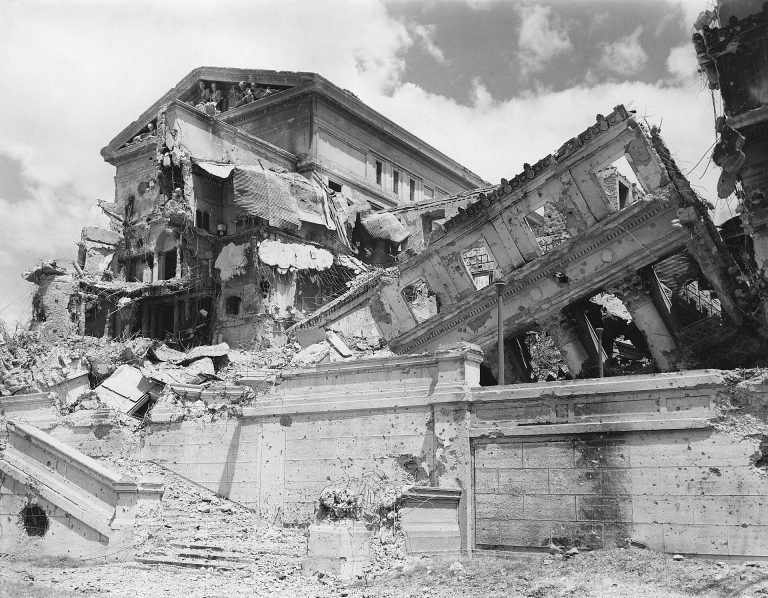
Ruins from World War II in Manila
In Asia, World War II did not resolve fundamental questions. It exposed them. Questions of sovereignty, legitimacy, identity, and justice remained unanswered. Each society carried forward its own version of truth.
This is why textbooks differ, memorials clash, and diplomatic tensions persist. World War II remains politically active because it was never morally settled. Memory is contested because history is unfinished.
Asia does not lack a World War II narrative. It has too many. Each is valid within its context. Together, they resist simplification.
Understanding this fragmentation is essential. It explains why apologies fail, why memorials provoke anger, and why history remains sensitive. There is no single story that can contain Asia’s war.
World War II in Asia is not a closed chapter. It is a living archive.
Comment (0)