

Memory is not universal. Although war reshapes every society it touches, the way societies remember war depends on how conflict ends, who controls the narrative afterward, and whether trauma is resolved or merely suspended. Nowhere is this contrast clearer than between Asia and Europe. Both regions experienced catastrophic violence during the twentieth century, yet their relationship with wartime memory diverged sharply. Europe built remembrance around closure. Asia built it around endurance.
In Europe, the twentieth century is framed by endings. World War I ended empires, and World War II ended total war on the continent through defeat, liberation, and reconstruction under a shared international framework. Borders stabilized. War crimes were prosecuted publicly. New institutions promised collective security. Memory became something to be processed, archived, and taught with the assumption that the past, however painful, was fundamentally over.
Asia did not receive such an ending. The wars that devastated the continent did not conclude cleanly. World War II merged into civil wars, revolutions, occupations, and the Cold War. Violence faded unevenly. Borders remained contested. Regimes changed without reconciliation. As a result, memory in Asia did not solidify into a single narrative. It fractured, layered, and often retreated into silence.
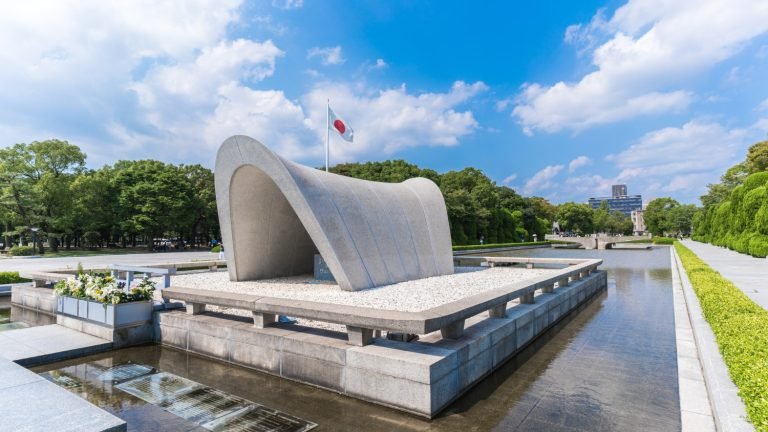
Hiroshima Peace Memorial reflecting restrained remembrance
European remembrance is built into architecture. Memorials, cemeteries, museums, and preserved ruins dominate urban landscapes. These spaces invite reflection but also signal resolution. The war is acknowledged as tragedy, yet contained within historical distance. In cities like Berlin, ruins coexist with reconstruction as lessons learned. The act of remembrance reinforces the idea that Europe survived and moved forward.
Asia’s landscape tells a different story. Many of its most traumatic sites remain politically sensitive, socially unresolved, or physically erased. In places such as Nanjing, memory is inseparable from national identity and international tension. Commemoration becomes assertion rather than closure. History is not settled; it is defended.
Empire plays a critical role in this divergence. Europe largely remembers war as something that happened between states of comparable power. Asia remembers war as something imposed by empires, experienced by civilians, and often narrated by others. Colonial rule meant that many Asian societies did not control how their suffering was recorded or explained. Even after independence, inherited narratives persisted.
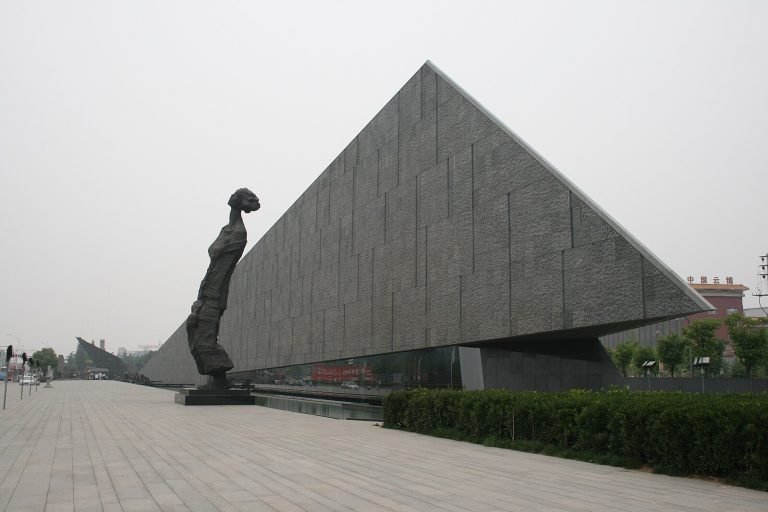
Nanjing Memorial Hall representing contested wartime memory
Occupation further complicated memory. In Europe, occupation was followed by liberation and integration into new political systems. In Asia, occupation often transitioned into new forms of dominance. Japan’s defeat did not immediately restore sovereignty across the region. In some places, occupation was replaced by civil war or Cold War alignment. The trauma of foreign control remained active rather than historical.
This difference shapes how victims and responsibility are discussed. European war memory emphasizes collective guilt, reconciliation, and institutional accountability. Asian war memory often centers on victimhood without closure, because acknowledgment from perpetrators remains contested. Apology, recognition, and responsibility are not uniformly accepted across the region. Memory becomes diplomatic terrain.
Silence plays a profound role in Asia’s relationship with war. In many societies, speaking openly about trauma was discouraged or dangerous. Survival required adaptation, not expression. Families carried memories privately. Generations inherited trauma without language to articulate it. Silence became a coping mechanism rather than denial.
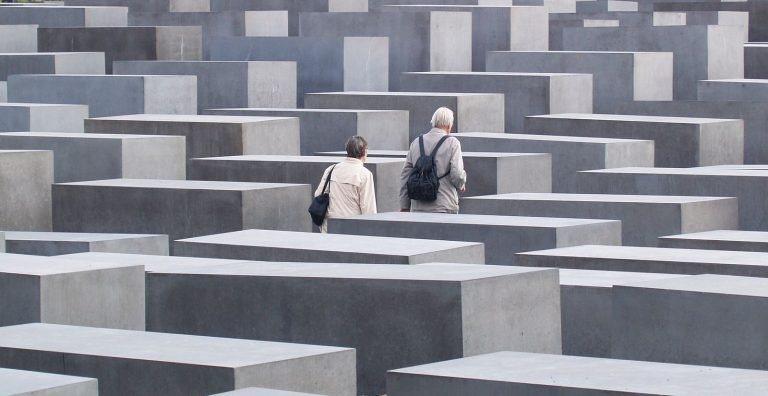
Berlin Holocaust Memorial emphasizing collective responsibility
This silence does not indicate forgetting. It indicates endurance. In Japan, memory of war is fragmented between narratives of victimhood and responsibility. Cities such as Hiroshima preserve memory through restraint rather than spectacle. The absence of explicit accusation invites reflection but also controversy. Memory remains unresolved, hovering between mourning and debate.
Education reinforces these patterns. European curricula often treat the world wars as closed chapters with moral conclusions. Asian education systems approach war cautiously, emphasizing national resilience, suffering, or unity depending on political context. Students inherit selective memory rather than comprehensive reckoning. This shapes how societies relate to the past and to each other.
Travel reveals these differences vividly. Visiting European battlefields often feels like walking through curated history. Timelines are clear. Explanations are consistent. Visiting Asian war sites feels like entering an ongoing conversation. Memorials coexist with protest, silence, or contested interpretation. The traveler becomes a witness to unresolved memory rather than a consumer of history.
Places such as Kanchanaburi demonstrate how trauma can be absorbed into everyday geography. Nature reclaims sites of suffering. Beauty and brutality coexist. The absence of monumental architecture does not weaken memory; it deepens unease. The past feels closer, less contained.
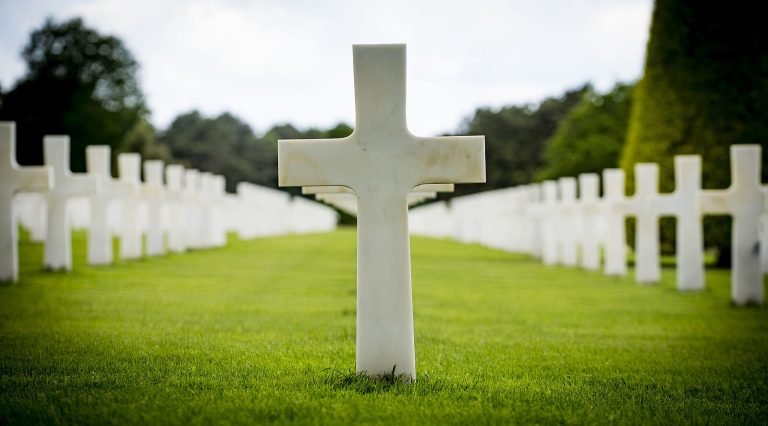
Normandy memorial symbolizing European wartime closure
Why do these differences matter today? Because memory shapes politics. Unresolved war memory fuels nationalism, distrust, and diplomatic tension. It influences how societies respond to new crises. Europe’s emphasis on closure supports integration. Asia’s emphasis on endurance reflects survival in a world where history never truly paused.
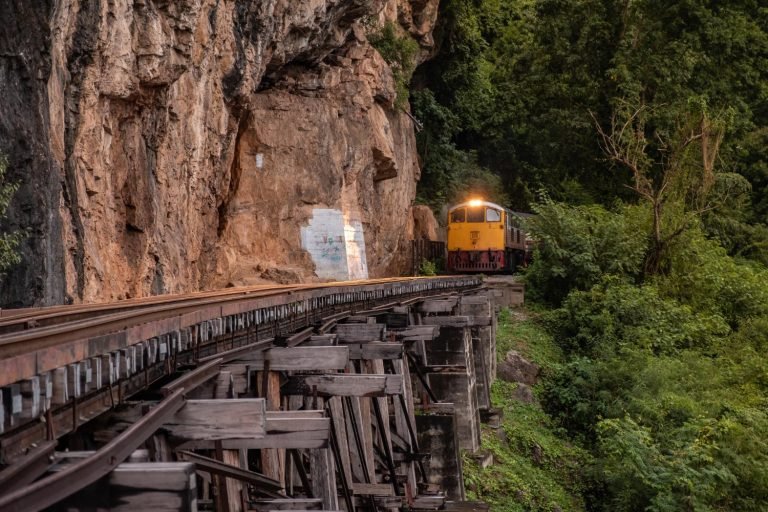
Death Railway in Kanchanaburi absorbed into natural landscape
Asia remembers war differently because it never fully stopped living with its consequences. The twentieth century in Asia was not a chapter that ended. It was a condition that transformed societies from within. Memory here is not about the past alone. It is about identity, legitimacy, and the meaning of survival.
Understanding this difference matters for global dialogue. Without recognizing how memory functions differently across regions, conversations about responsibility, apology, and reconciliation remain incomplete. Asia’s war memory is not deficient or immature. It is shaped by history that refused to resolve itself.
Europe remembers war as something that must never happen again. Asia remembers war as something that never truly left.

Comment (0)