

In many parts of the world, war is remembered through dates. The day it began. The day it ended. Victory days, liberation days, armistice days. Calendars anchor memory, allowing societies to place conflict neatly into history. Asia remembers war differently. Here, memory does not live primarily in dates. It lives in places.
This difference is not cultural preference alone. It is historical consequence.
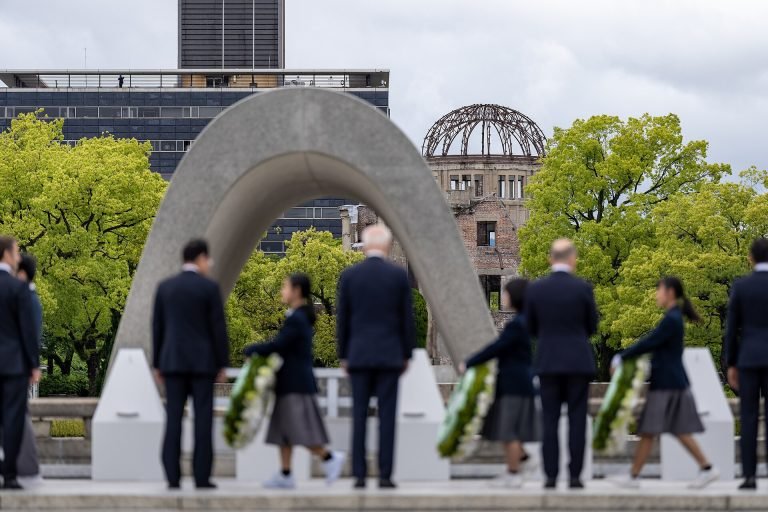
Hiroshima Peace Memorial Park as a place of memory
Dates require closure. They mark an ending that feels final enough to be commemorated. Asia rarely received that ending. Instead of decisive conclusions, wars here dissolved into occupation, civil conflict, or geopolitical stalemate. Without a clear moment when violence truly stopped, time could not hold memory. Space had to.
Across Asia, war did not pass cleanly from present into past. It lingered. It reshaped daily life. It left behind landscapes that continued to speak long after calendars moved on.
In Europe, World War II is anchored by dates that signal resolution. The defeat of Nazi Germany, the liberation of occupied cities, and the rebuilding of states created a shared sense that the war belonged to history. Commemoration reinforced closure.
In Asia, World War II rarely produced such clarity.
Colonialism fundamentally altered how war was experienced and remembered. For millions across East Asia, Southeast Asia, and South Asia, the war was not a temporary disruption of sovereignty. It was an extension of long-term domination.
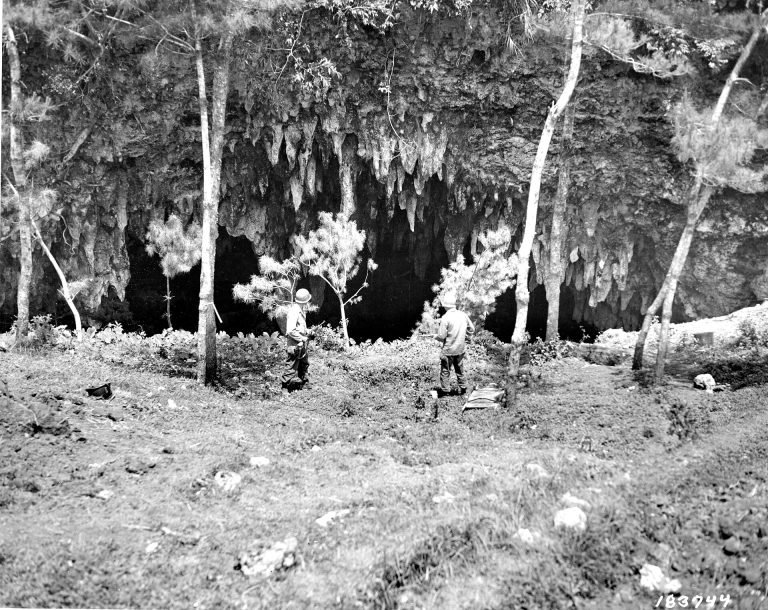
Caves used by civilians during the Battle of Okinawa
When Japan surrendered in 1945, many Asian societies did not experience peace. They experienced transition. Colonial rulers returned. Civil wars erupted. New conflicts replaced old ones. The war’s end date did not match lived reality.
Without closure, dates felt abstract.
Places, however, remained concrete.
Civilians in Asia did not experience war from the margins. They were the terrain upon which war unfolded. Villages were occupied, relocated, or destroyed. Cities were bombed, evacuated, and rebuilt rapidly. Families survived famine, forced labor, and displacement. These experiences did not end when fighting stopped. They altered how people related to land, authority, and safety.
Memory attached itself to where suffering occurred.
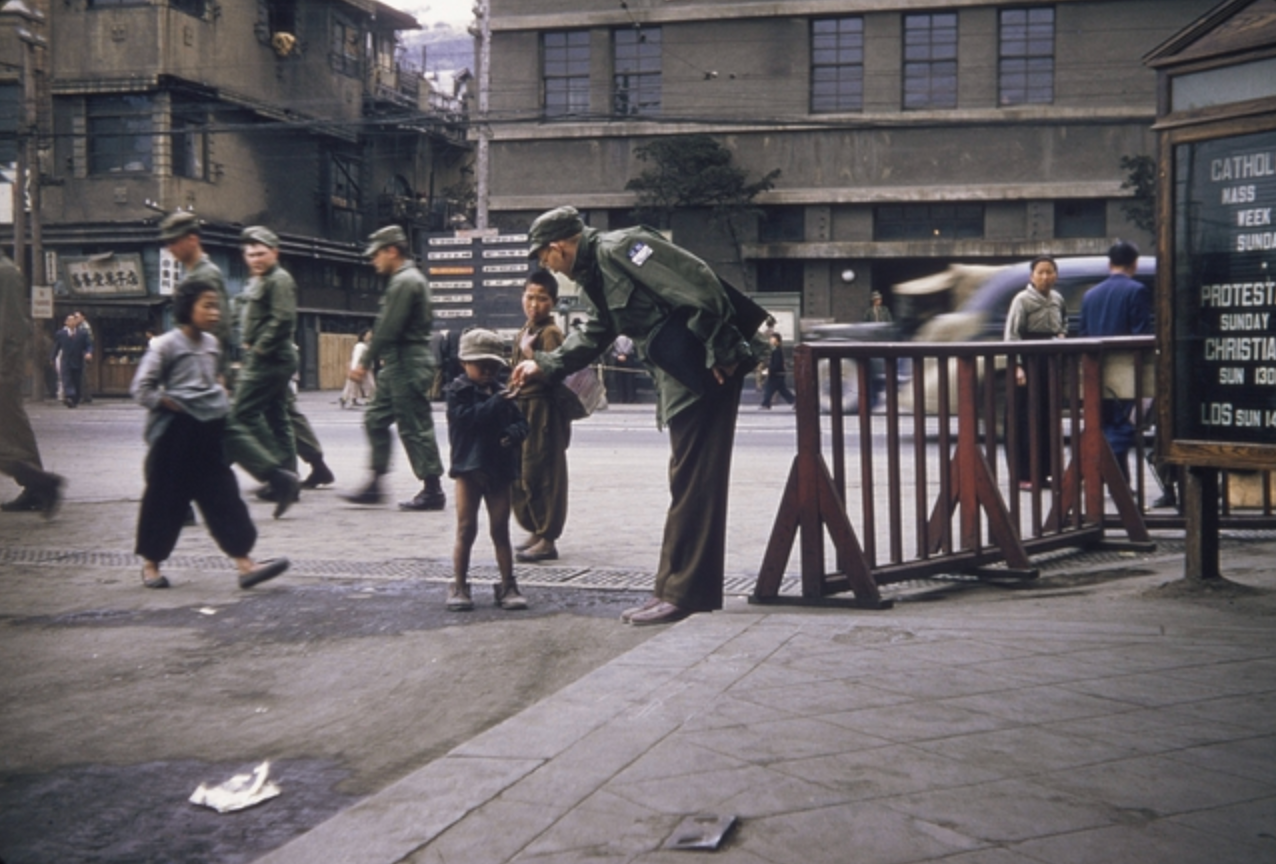
Seoul built over Korean War sites
In Hiroshima, the atomic bombing is associated with a precise moment in time, yet remembrance centers on the city itself. Visitors do not come primarily to mark August 6th. They come to stand in Hiroshima, to walk through the Peace Park, to feel the weight of place.
In Nagasaki, memory unfolds across hills, churches, and neighborhoods that absorbed uneven destruction. The city’s geography tells a story that a date cannot.
In Okinawa, the Battle of Okinawa is remembered not through victory or surrender days, but through caves, memorial parks, and military bases that remain part of daily life. The war did not leave. It stayed embedded.
Places carry memory because they outlast explanation.
In Kanchanaburi, the Death Railway does more than symbolize forced labor. The surrounding jungle, river crossings, and villages absorb unmarked loss. The land remembers what documentation did not record.
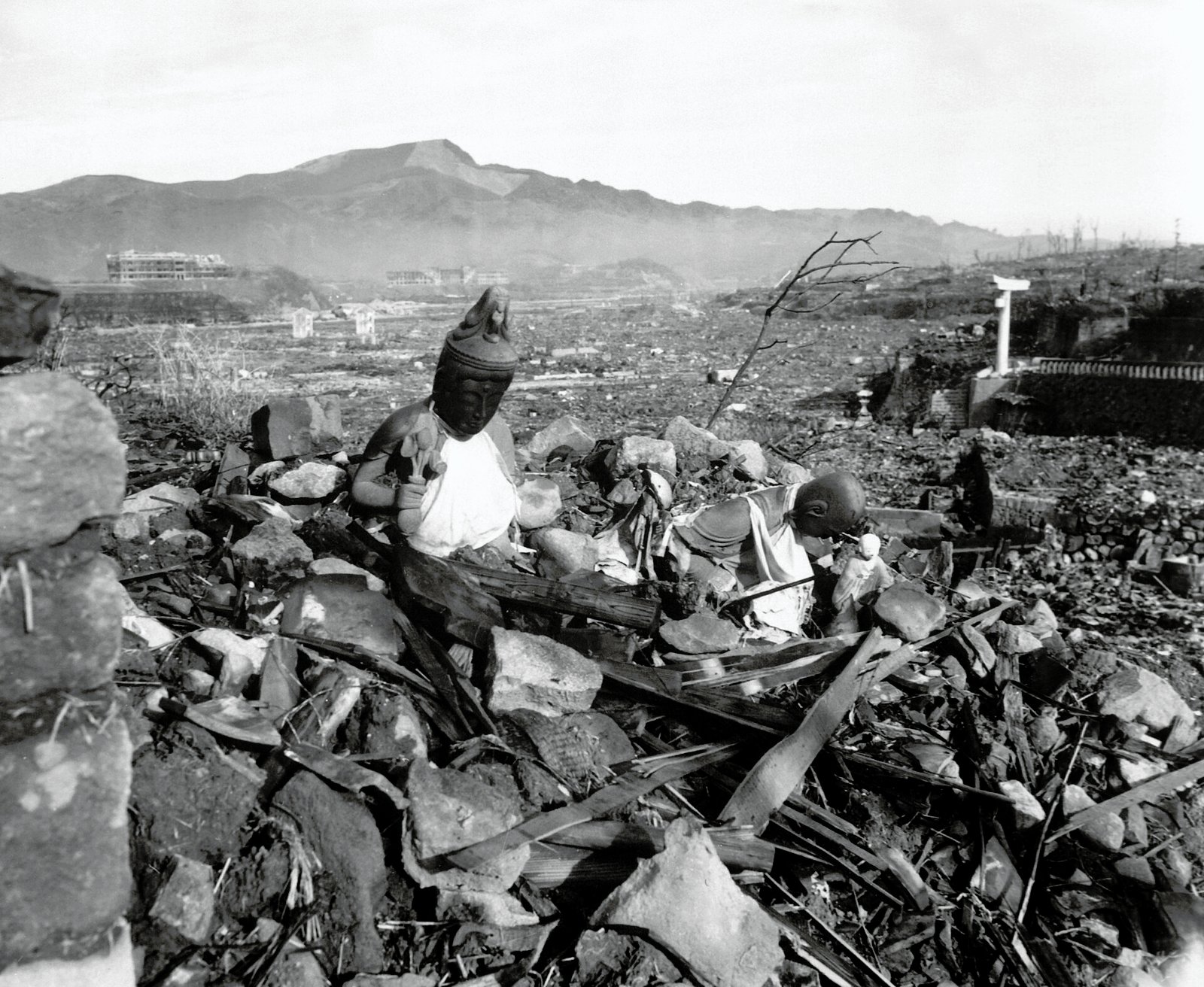
Hills of Nagasaki shaping wartime memory
Asian societies often preserved memory through silence rather than ceremony. Silence is not forgetting. It is containment. Speaking too openly could invite danger, shame, or political consequences. Landscapes became safer vessels for memory than language.
A road could remember without accusing. A building could stand without explaining. A field could absorb grief without demanding response.
Cities rebuilt before history was processed. Postwar survival required speed. Infrastructure mattered more than narrative. Ruins were cleared quickly. Life resumed on ground that had not been mourned.
In Seoul, neighborhoods rose over Korean War front lines. The war never officially ended, making dates feel provisional. The city itself became the archive.
In Manila, destruction rivaled Europe’s worst, yet global memory remains limited. The city rebuilt rapidly. Memory survived unevenly, attached to streets rather than anniversaries.
Monuments in Asia often play a secondary role. They exist, but they do not dominate memory. This contrasts with European models where monuments and dates reinforce each other. In Asia, monuments coexist with ordinary life rather than standing apart from it.
This integration reflects how war was absorbed rather than concluded.
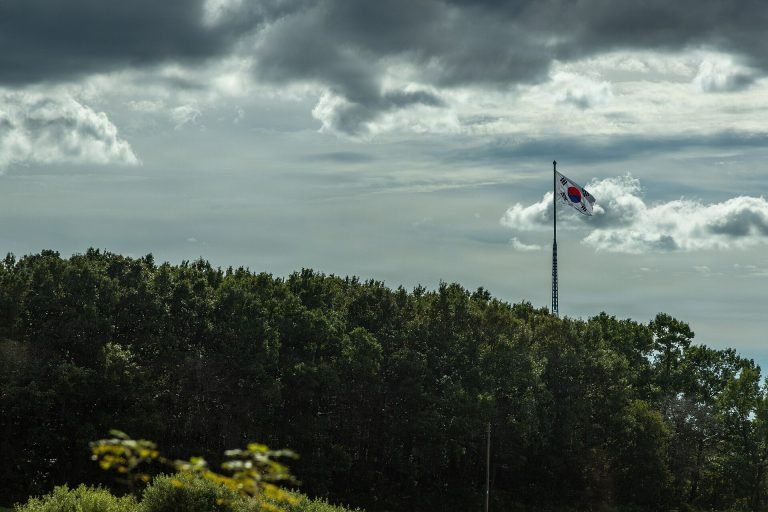
Seoul built over Korean War sites
Travel reveals this difference immediately. Visitors in Asia often encounter war memory without being told they are doing so. A café operates beside a former shelter. A park covers a mass grave. A train line follows a military route. History appears as environment.
To travel Asia with historical awareness is to read space rather than schedule. It requires noticing what is not marked as much as what is.
This does not mean Asia lacks commemoration. It means commemoration operates differently. Memory is decentralized. It is personal, local, and spatial.
Dates demand agreement. Places allow coexistence.
Different groups can attach different meanings to the same ground without resolving narrative conflict. This flexibility allowed societies to move forward without forcing consensus.
War memory in Asia survives because it adapted.
Understanding this difference matters. It explains why Asian war memory feels present rather than historical. It explains why disputes resurface. It explains why apologies struggle to settle the past.
Places do not forget when dates pass.
Asia remembers war through places because places were where war lived longest.
To understand Asia’s history, one must walk it.
War in Asia is not remembered by dates alone.
It is remembered by ground, cities, and silence.
Travel through Asia’s places of memory,
walk slowly,
and let the landscape explain what calendars cannot.
Comment (0)