

In many Asian households, war exists as a presence rather than a story. It shapes behavior, caution, and emotional distance, yet it is rarely spoken about directly. Children grow up sensing that something significant happened, but they are not told what it was. Questions go unanswered. Memories remain fragmented.
This silence is not accidental.

Asian families living with unresolved war legacy
Asian families rarely talk about war because war was not an episode to be explained. It was an environment to survive.
Across Asia, twentieth-century wars were experienced overwhelmingly by civilians. Entire families lived through occupation, famine, forced labor, bombardment, and displacement. These were not battlefield stories with beginnings and endings. They were conditions that seeped into daily life.
When survival depends on discretion, speaking becomes a liability.
During war, words could betray. A careless sentence could be overheard. A memory shared with the wrong person could invite suspicion or punishment. Families learned quickly that silence protected lives. This lesson did not disappear when the fighting stopped.
In places like Okinawa, civilian trauma unfolded inside homes, caves, and villages rather than on distant fronts. Survivors carried memories of mass death, coercion, and moral impossibility. Speaking about such experiences risked reopening wounds that never healed.
In Seoul, families lived with a war that never officially ended. The Korean War froze memory in place. Without closure, stories felt dangerous, unfinished, and politically sensitive.
In Taipei, layers of Japanese rule, war, and later authoritarian governance taught families that history could shift meaning overnight. Silence was safer than explanation.
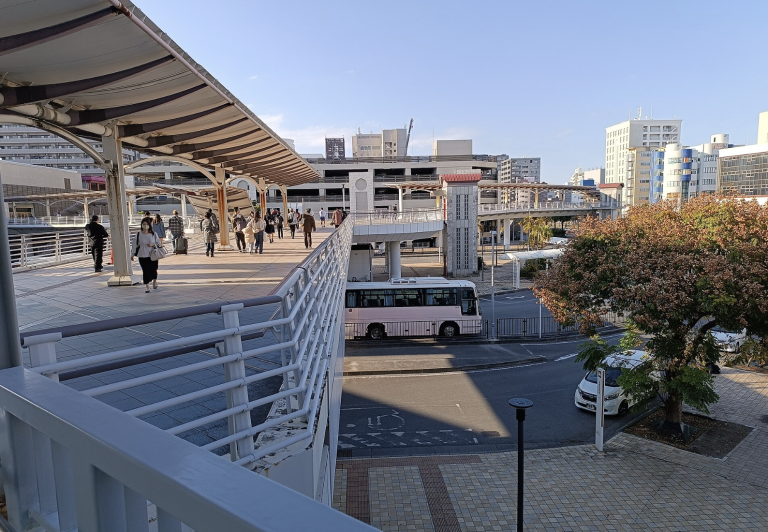
Everyday civilian life shaped by war memory in Okinawa
Asian families became the first archives of war memory. They preserved history not through narration, but through behavior. Children learned caution without context. Emotional restraint became normal. Fear was communicated indirectly.
This form of transmission is easy to overlook.
In many Western contexts, war memory is verbalized, documented, and externalized through museums and public discourse. In Asia, memory often stayed inside the family, fragmented and incomplete, shaped by what could not be said.
Families rarely talked about war because there was no language for what happened. Civilian experiences defied heroic framing. Survival involved compromise, fear, and sometimes actions that could not be reconciled with moral clarity.
Silence protected dignity.
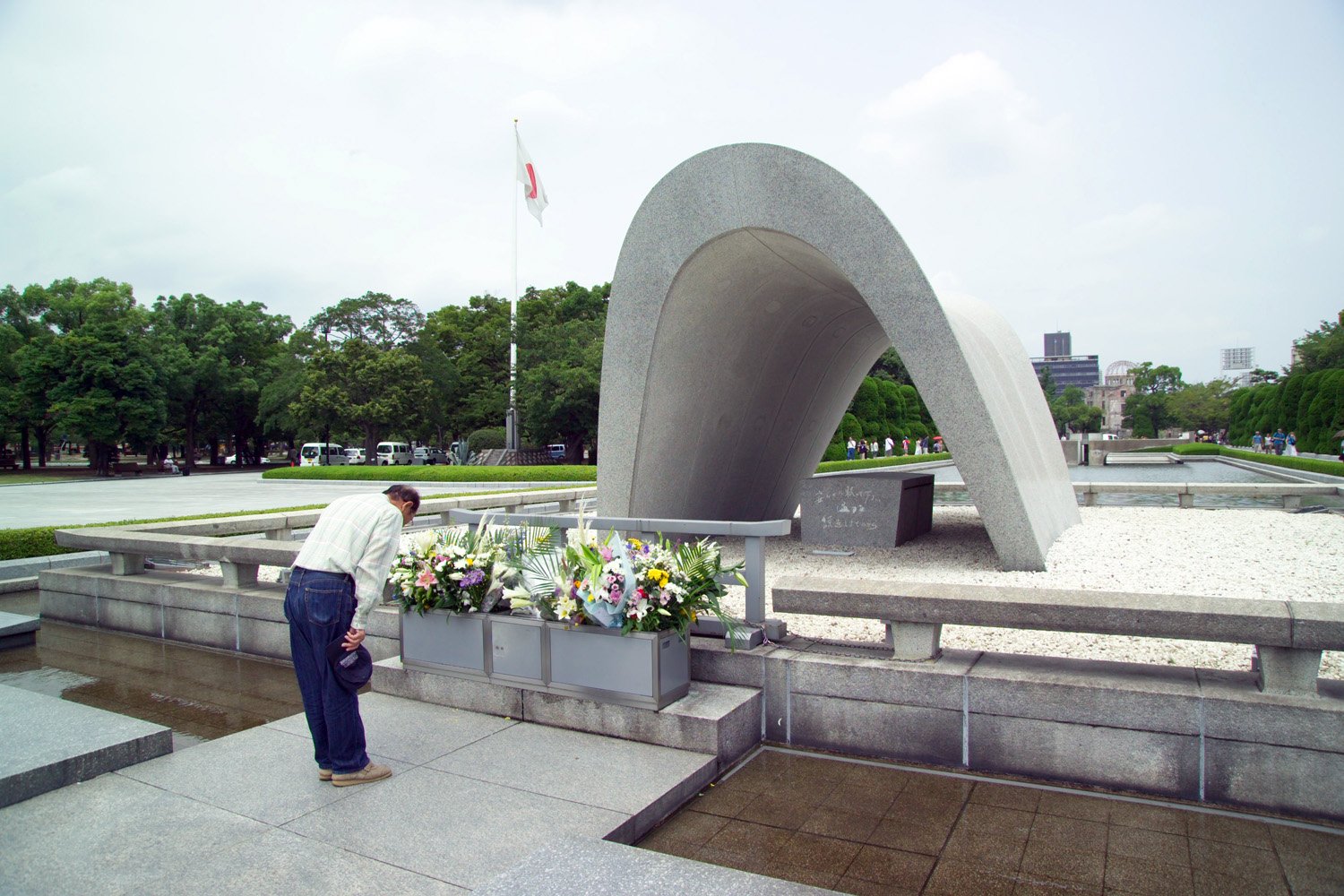
Elderly residents of Hiroshima carrying lived history
It also protected relationships. Speaking openly risked exposing shame, loss, or helplessness that families preferred to contain. Silence allowed life to move forward without constant confrontation.
This does not mean memory disappeared.
It changed form.
War memory survived in routines, in food habits shaped by scarcity, in distrust of authority, in emotional distance, and in an emphasis on stability. Children inherited caution without explanation. Grandchildren sensed anxiety without origin.
Traveling through Asia reveals these family histories quietly.
In Hiroshima, visitors often encounter elders who lived through the atomic bombing yet rarely spoke about it at home. Public testimony came late. Family silence lasted decades.
In Manila, families rebuilt quickly after devastation. Stories of massacre and loss were overshadowed by the urgency of survival. Memory stayed private.
Asian families rarely talk about war because talking was never part of survival strategy.
Silence allowed continuity when explanation could not.
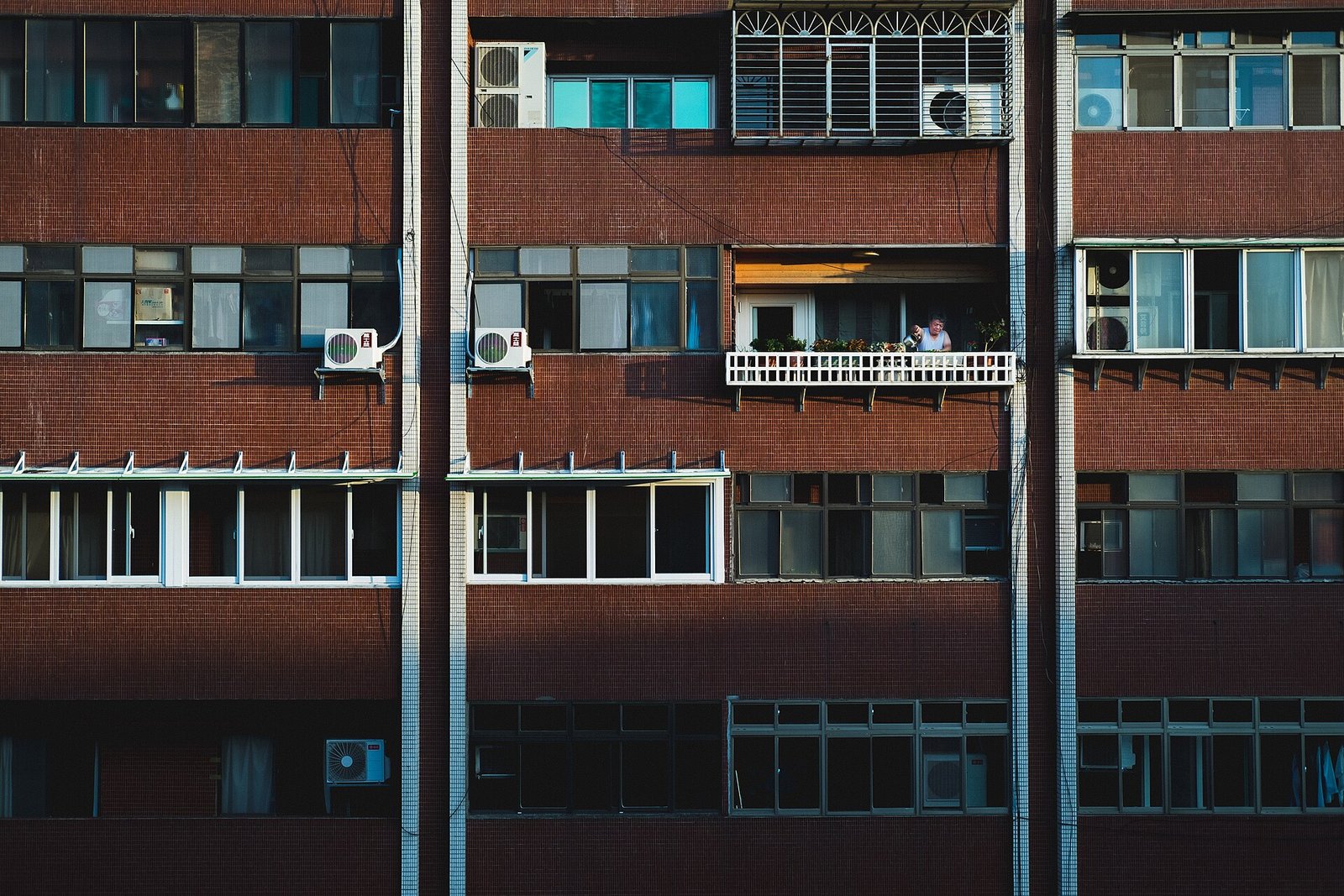
Old Taipei neighborhoods reflecting layered history
Understanding this changes how we read Asian history. Absence of stories does not equal absence of memory. It signals trauma carried differently.
Travelers who seek explicit narratives may miss what is present beneath the surface. To understand Asia’s war memory, one must observe gestures, pauses, and what families choose not to explain.
The past is not forgotten.
It is carried.
Asian families may not tell war stories aloud.
But the past lives in habits, spaces, and silence.
Travel slowly, observe carefully,
and let what is unspoken teach you how history survives.
Comment (0)