

Modern history is often taught as a straight line. Events begin, peak, and end. Empires rise and fall. Wars start and conclude. Nations emerge and stabilize. This model works reasonably well in parts of the world where power shifted decisively and chronology aligned with lived experience. Asia does not fit this structure.
Asia’s history cannot be told in one timeline because it never unfolded at one speed.
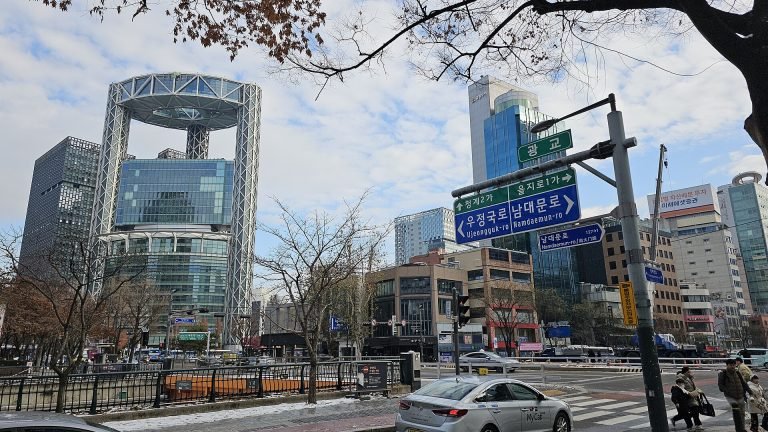
Seoul urban spaces shaped by unresolved history
Across Asia, different regions experienced different historical realities simultaneously. While one empire was collapsing, another was expanding. While one society was industrializing, another was surviving famine or occupation. While one city celebrated peace, another was entering war.
History in Asia layered rather than replaced itself.
This complexity begins with empire. In many historical narratives, empires are presented as sequential. One ends, another begins. In Asia, empires frequently overlapped. Local kingdoms coexisted with colonial administrations. Traditional systems persisted beneath imported governance. Authority was fragmented rather than transferred cleanly.
In East Asia, imperial China’s influence extended culturally even as political control weakened. In Southeast Asia, European colonial powers imposed rule without fully dismantling local structures. In South Asia, British governance operated alongside deeply rooted social systems that followed different temporal logic.
This produced multiple timelines running in parallel.
War further disrupted linear history. In many parts of Asia, wars did not end cleanly. World War II did not simply conclude in 1945. For some societies, it transitioned into civil war, revolution, or prolonged occupation. Peace on paper did not translate into peace in life.
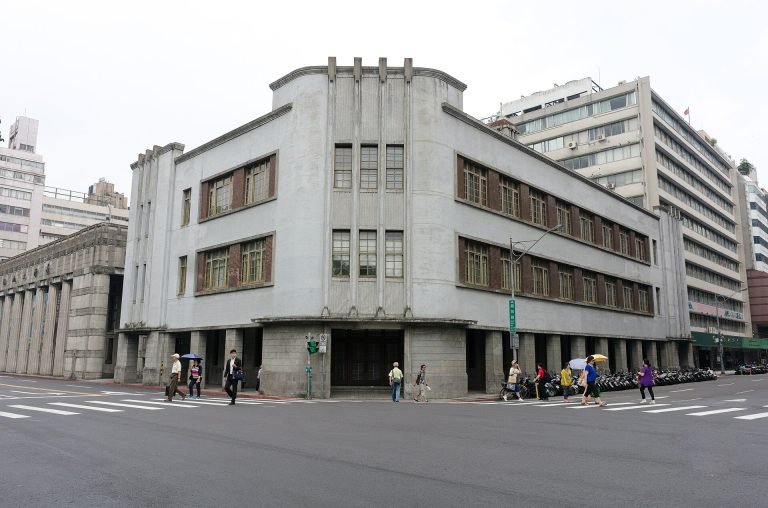
Japanese-era streets integrated into modern Taipei
In Okinawa, the war officially ended, but military presence continued. The timeline of conflict extended beyond surrender. In Seoul, the Korean War never formally ended, freezing time in a state of unresolved tension. In Taipei, colonial rule, war, and authoritarian governance layered without clear separation.
Colonialism imposed its own timeline. Colonial administrations measured progress through infrastructure, productivity, and control. Local populations experienced time through survival, disruption, and adaptation. These timelines rarely aligned.
A city could appear modern while its people lived under premodern insecurity. Railways and government buildings could exist alongside famine and forced labor. Official history recorded development. Lived history recorded loss.
This disconnect explains why Asian history resists simplification.
Cities illustrate this most clearly.
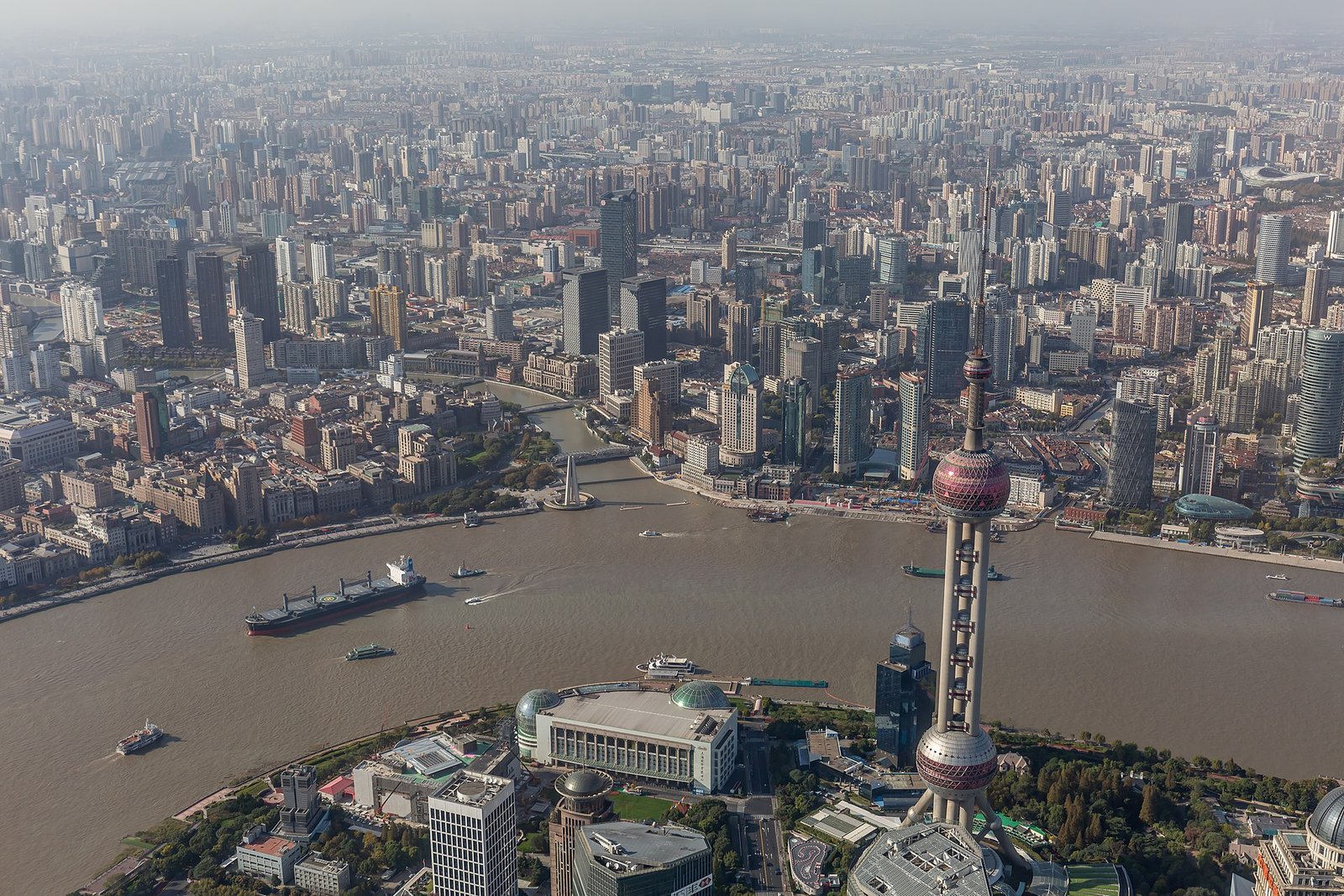
Layered historical districts in Shanghai
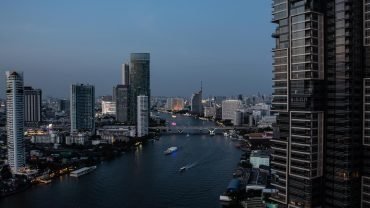
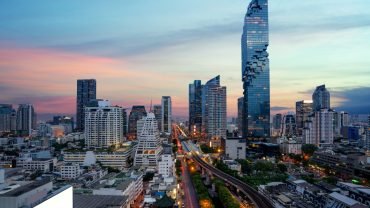
In Shanghai, colonial modernity, war, revolution, and global capitalism unfolded in rapid succession. Different neighborhoods lived in different centuries at the same time. The city never occupied a single historical moment.
In Manila, Spanish colonial structures, American planning, Japanese destruction, and postwar rebuilding overlapped. The city moved forward while carrying unresolved absence.
In Singapore, occupation, decolonization, and nation-building occurred in compressed time. Memory was managed to support survival and cohesion rather than chronological completeness.
Dates struggle to explain these realities.
Timelines assume consensus about beginnings and endings. Asia rarely had such consensus. Independence did not mean freedom for all. Liberation did not end suffering. Modernization did not erase vulnerability.
Memory in Asia often exists outside official chronology.
Families remember events differently from textbooks. Communities mark time through disruption rather than anniversaries. Silence fills gaps where timelines fail.
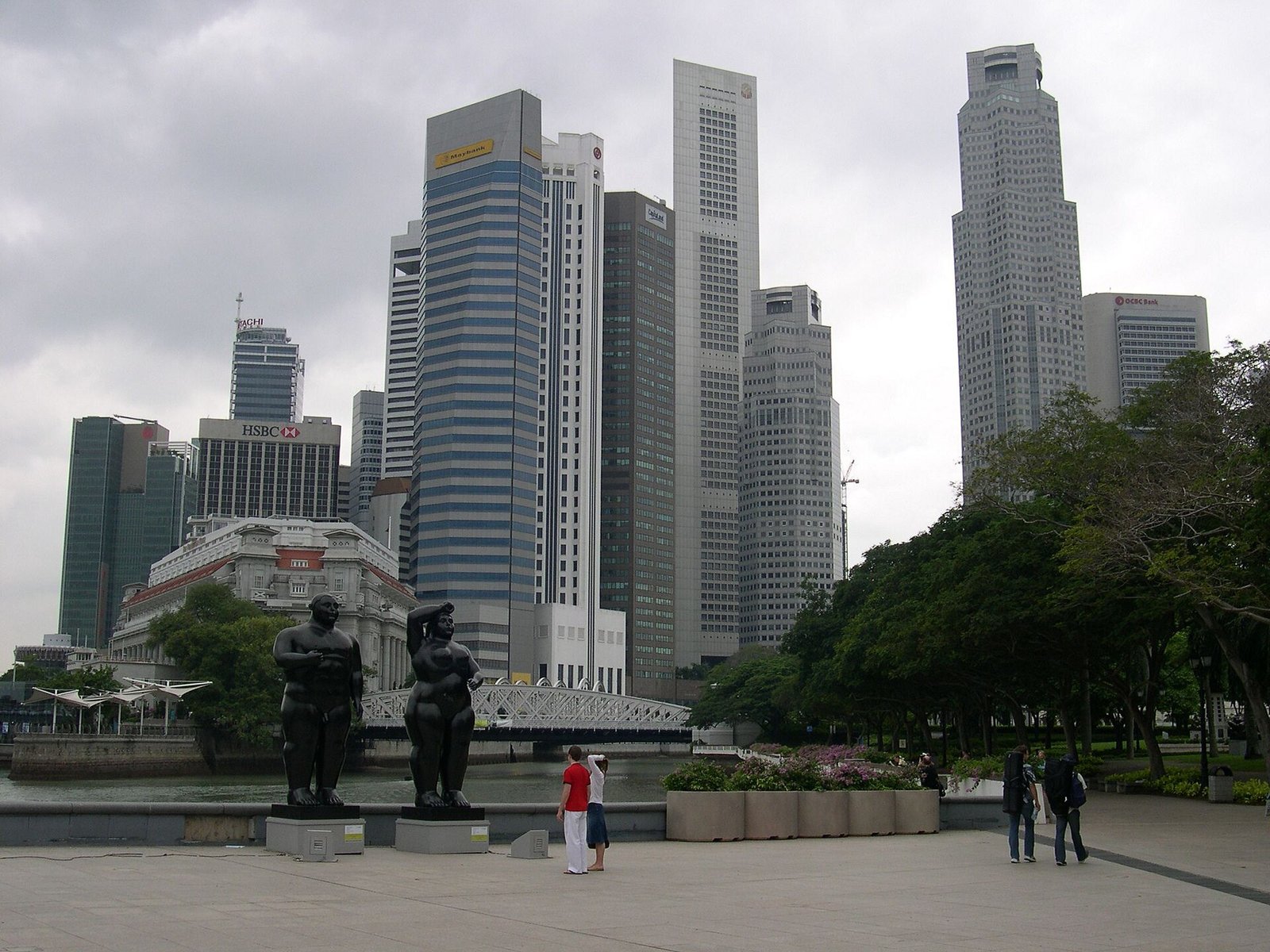
Singapore cityscape blending colonial and modern eras
This is why Asian history is often felt more than narrated.
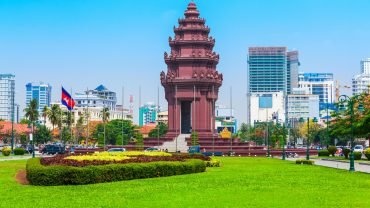
Travel reveals this layered time viscerally. Walking through Asia’s cities means moving through overlapping eras. A single street can contain precolonial layout, colonial architecture, wartime scars, and modern infrastructure.
The past does not sit behind glass. It coexists.
Understanding Asia requires abandoning the expectation of linear history. It requires accepting simultaneity. Multiple truths. Multiple timelines.
Asia’s history is not incomplete because it lacks a single narrative.
It is complex because it contains many.
Asia’s history does not move in a straight line.
It overlaps, pauses, and continues all at once.
Travel slowly, walk attentively,
and let places show you how time truly works in Asia.
Comment (0)