

Visitors who move from Europe to Asia often notice something immediately when encountering war memorials. The space feels quieter. There is less dramatic architecture, fewer grand gestures, and often an absence of explicit narrative. The silence can feel unsettling, even confusing, to those accustomed to memorials that command attention and emotion.
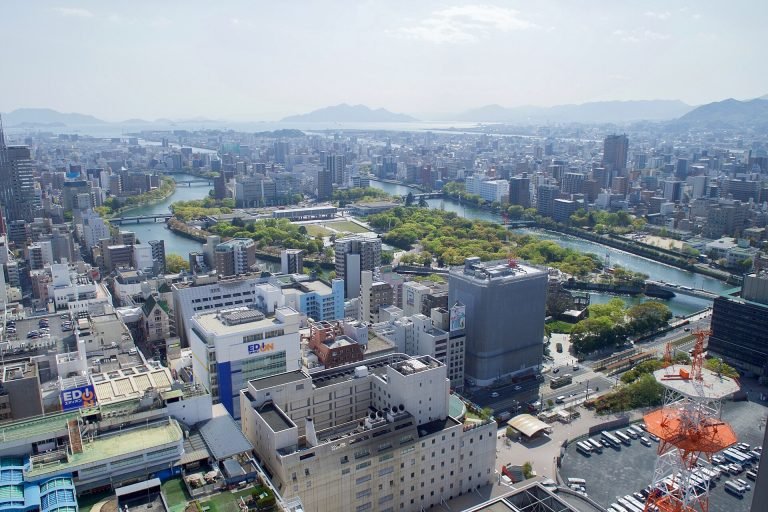
Quiet atmosphere at Hiroshima Peace Memorial Park
This quietness is not accidental. It is the result of how war was experienced, remembered, and survived across Asia.
In many Asian societies, war did not arrive as a discrete historical event. It merged into everyday life, prolonged uncertainty, and unresolved aftermath. Memorials emerged not as declarations to the world, but as private spaces for communities still living with the consequences.
Silence becomes the first language of remembrance.
Unlike monumental memorials designed to communicate moral clarity, many Asian war memorials prioritize restraint. They are not meant to shock, educate, or persuade outsiders. They are meant to hold grief without reopening wounds.
This distinction begins with who memorials were built for.
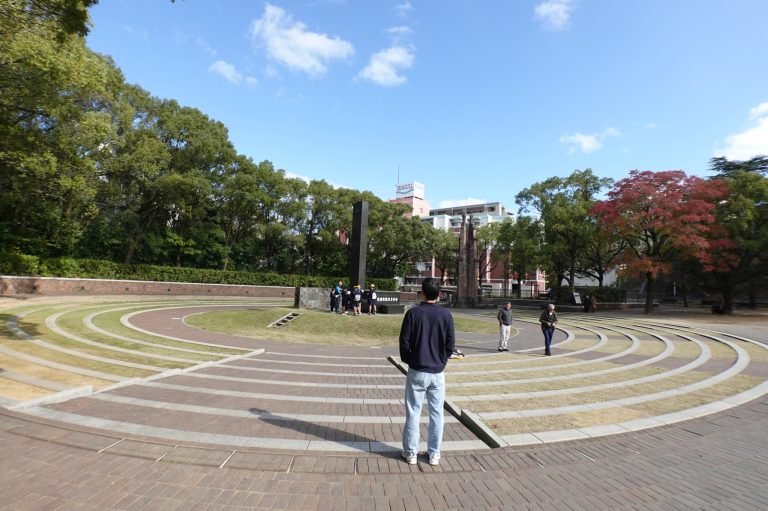
Nagasaki war memory integrated into landscape
In Europe, many war memorials address an international audience. They assert shared values, condemn atrocities, and frame war as a lesson for humanity. These memorials perform memory publicly.
In Asia, memorials often speak inward rather than outward. They serve survivors, descendants, and local communities who do not need explanation. They need space.
Asian wars left behind civilian trauma that lacked closure. Many conflicts ended ambiguously or not at all. Without clear victory or reconciliation, memorials avoided definitive statements. Silence allowed multiple truths to coexist.
In Hiroshima, the Peace Memorial Park is globally recognized, yet its emotional power lies not in spectacle, but in openness. The park does not dictate how visitors should feel. It provides room to feel.
In Nagasaki, memorials are integrated into daily life rather than isolated. Churches, hills, and neighborhoods quietly carry memory without theatrical framing.
In Okinawa, memorials reflect unresolved trauma. The Battle of Okinawa devastated civilians, yet the war’s aftermath continued through long-term military presence. Loud memorials would suggest closure that never arrived.
Quietness becomes honesty.
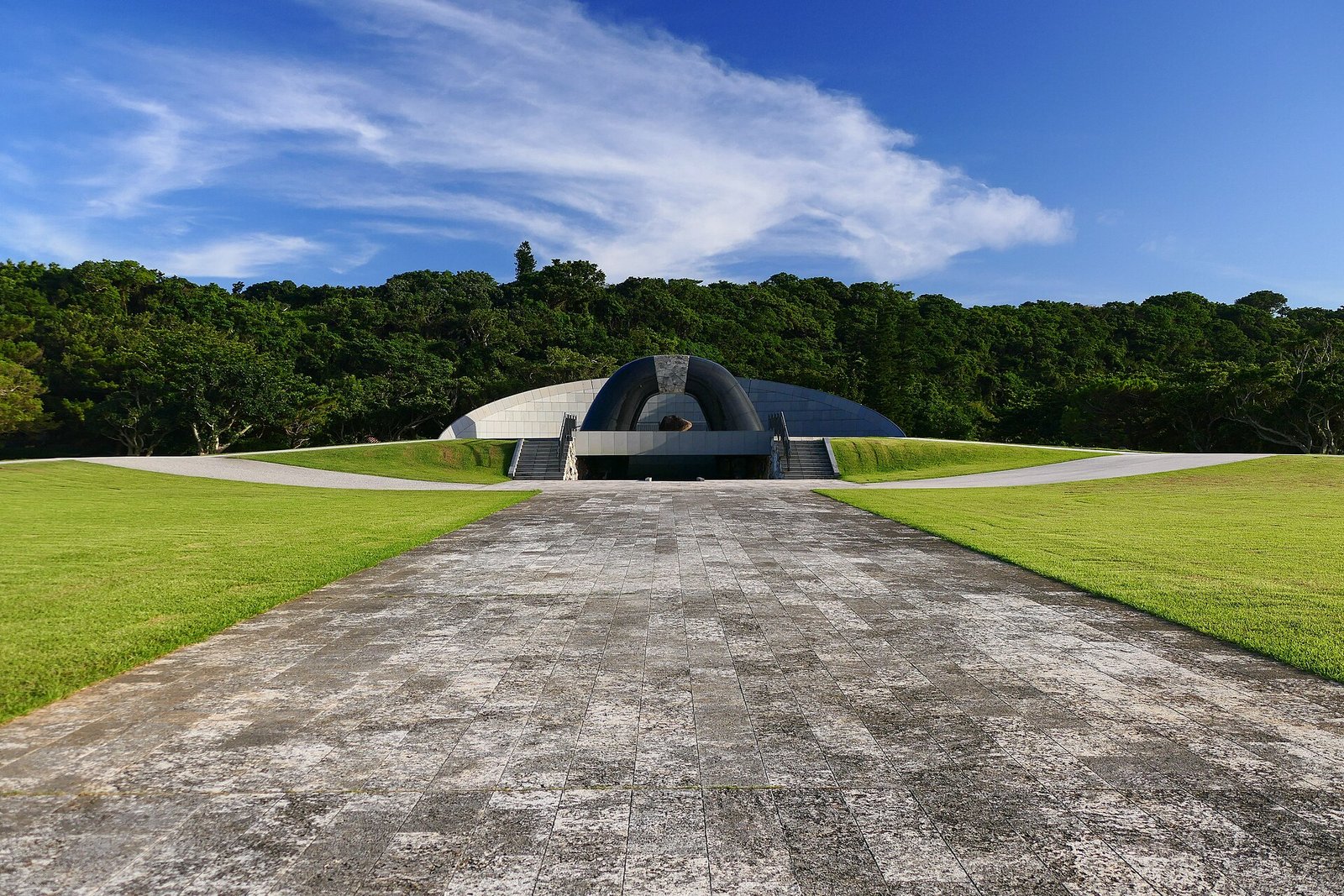
Okinawa Peace Memorial Park
Many Asian wars involved civilians not as observers, but as the battlefield itself. Forced labor, famine, displacement, and mass death unfolded without clear front lines. Memorializing such experiences risks reopening pain that never fully healed.
Restraint protects the living.
In Kanchanaburi, memorials associated with the Death Railway are subdued. The surrounding landscape carries more emotional weight than plaques or statues. The land remembers without explanation.
Asian memorials often rely on landscape rather than architecture. Hills, rivers, caves, and open fields function as silent witnesses. These places absorbed violence and grief over time. Marking them loudly would disrupt their role as spaces of quiet coexistence.
This approach reflects a cultural understanding of memory as something to live with, not something to perform.
Quiet memorials also emerge from political reality. Many Asian conflicts remain politically sensitive. Clear narratives risk controversy, blame, or renewed tension. Silence allows remembrance without confrontation.
In Seoul, memorial spaces coexist with unresolved war. The Korean War never officially ended. Quiet memorials acknowledge loss without asserting finality.
In Manila, vast wartime destruction is remembered unevenly. Memorials do not dominate the cityscape. Life rebuilt quickly over unprocessed trauma.
Quiet does not mean forgetting.
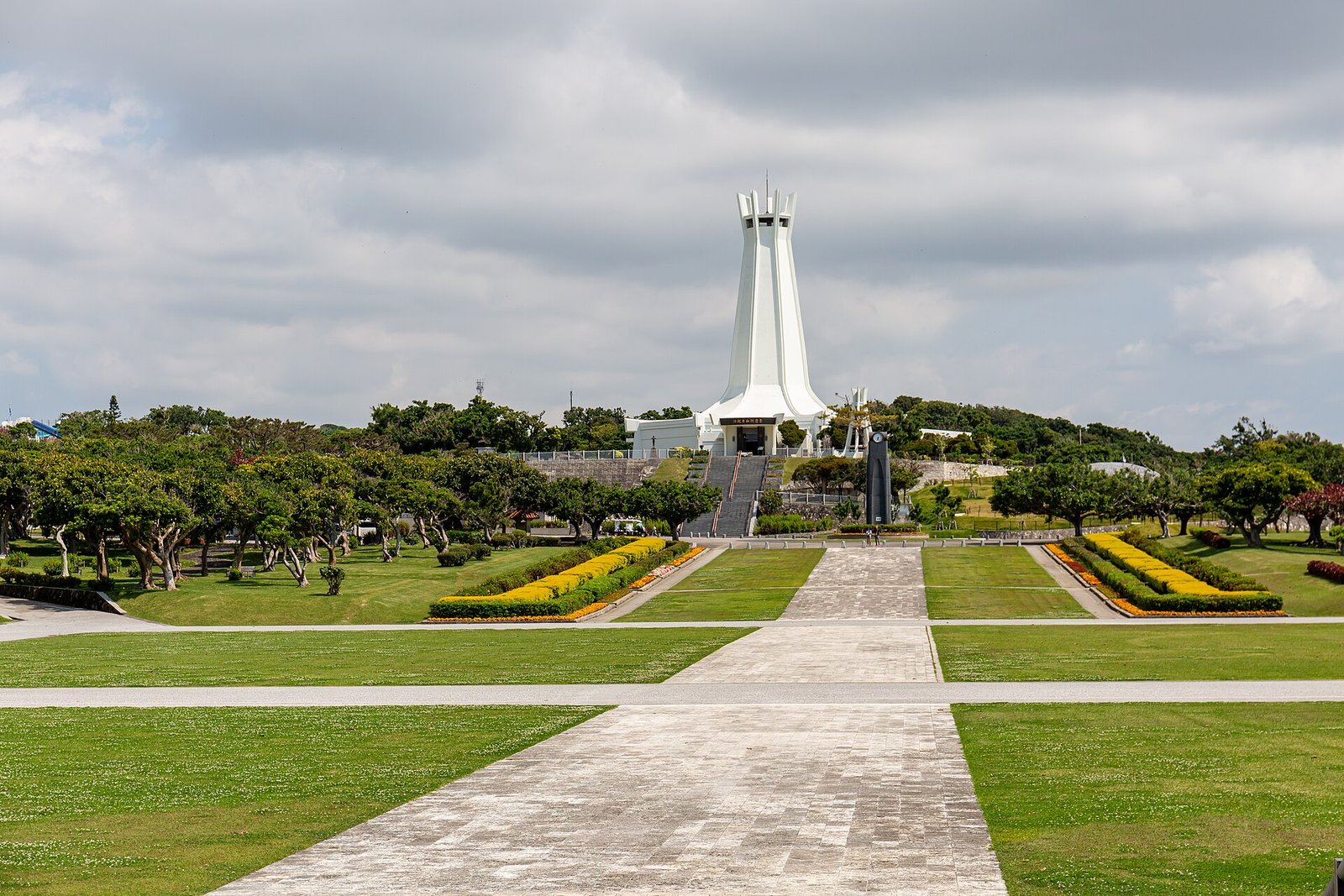
Okinawa Prefectural Peace Memorial
Asian societies preserved memory through family stories, local rituals, and daily awareness rather than national spectacle. Memorials serve as anchors rather than declarations. They mark presence, not conclusion.
To visitors unfamiliar with this approach, the quiet can feel like absence. In reality, it signals intimacy. These spaces are not asking to be understood immediately. They are asking to be respected.
Travel reveals this distinction.
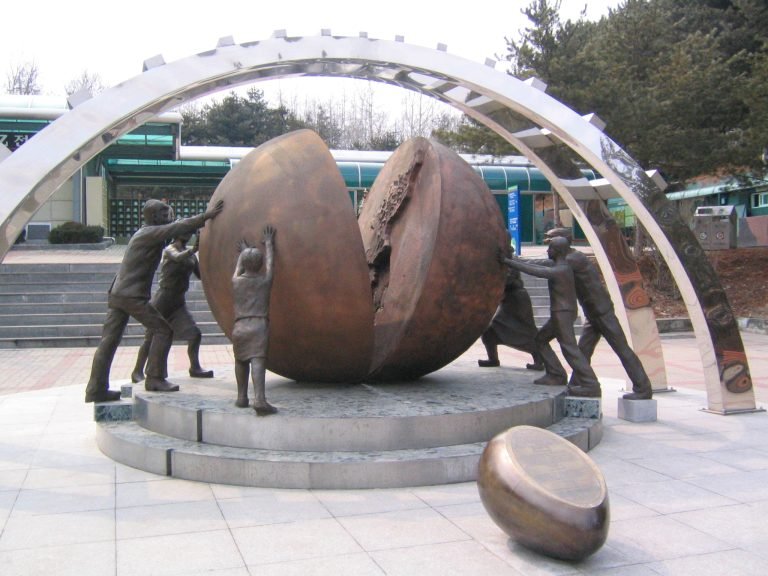
War memorial spaces within Seoul city life
Walking through Asia’s war memorials requires slowing down. It requires listening to what is not said. The absence of explanation becomes part of the message. Memory is not being performed for consumption. It is being held.
This quietness challenges global expectations of remembrance. It questions whether memory must be loud to be meaningful. It suggests that grief can exist without display.
Asia’s war memorials feel quiet because they were never meant to end the war.
They were meant to coexist with it.
Asia’s war memorials do not demand attention.
They invite presence.
Travel slowly, listen carefully,
and let silence explain what monuments cannot.
Comment (0)