

In much of the world, war is remembered as a process with a beginning, a climax, and an end. Treaties are signed. Borders are redrawn. Societies rebuild around a shared understanding that the conflict is over. In Asia, war rarely follows this pattern. Conflicts fade rather than conclude. Armistices replace peace treaties. Violence stops without resolution. Memory remains unsettled.
Asia’s wars rarely have clear endings not because Asians fail to resolve conflict, but because the structure of war in Asia has been fundamentally different. Modern Asian wars emerged from empire, colonial collapse, civil division, and Cold War intervention. These forces created conflicts designed to pause, not conclude.
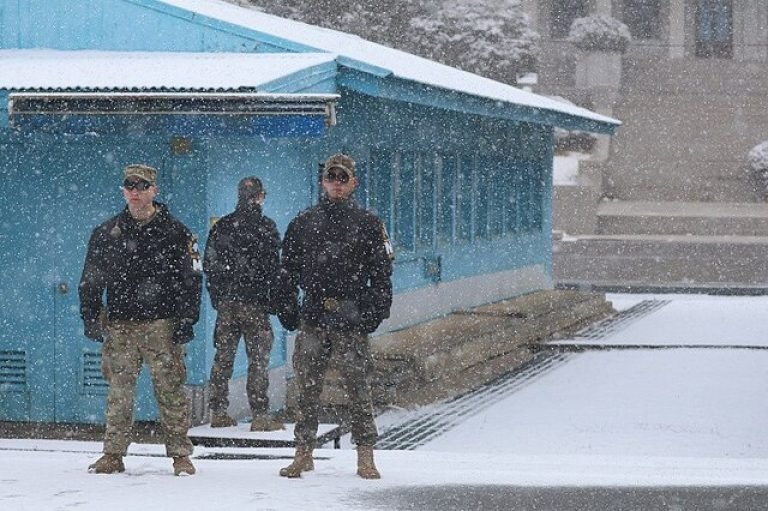
The Korean DMZ
Asia entered modern warfare already fractured. By the late nineteenth and early twentieth centuries, much of Asia was colonized, semi-colonized, or internally divided by imperial pressure. Political legitimacy was fragile. Borders were imposed externally. Identity itself was contested. War did not interrupt stability. It erupted from instability.
Colonial borders ensured that many conflicts could never fully end. Lines were drawn for administrative convenience, not social cohesion. When empires collapsed, these borders remained. New states inherited internal divisions they did not create and could not resolve easily. War became structural.
In Asia, many wars labeled as international conflicts were in fact civil wars with foreign involvement. This distinction matters. Civil wars rarely end cleanly because they involve legitimacy, identity, and memory. When international powers intervene, they freeze divisions rather than resolve them.
The Korean War illustrates this reality with stark clarity. What began as a civil conflict on the Korean Peninsula escalated into a global confrontation. External powers intervened not to reunify Korea, but to prevent ideological loss. The war ended not with peace, but with an armistice that preserved division.
The absence of a peace treaty means the Korean War never officially ended. The Demilitarized Zone is not a border created by reconciliation, but by exhaustion. It represents suspended violence, not resolved conflict. The war continues politically, militarily, and psychologically.
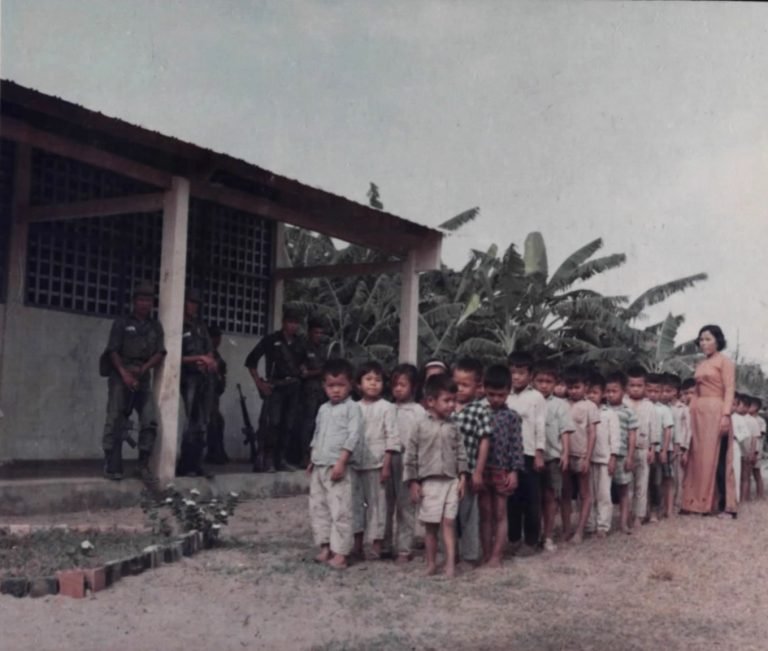
Vietnamese countryside shaped by war legacy
In Seoul, daily life unfolds under a permanent state of armistice. Military service is mandatory. Defense readiness is constant. The war exists as background reality rather than historical memory. Ending the war would require confronting unresolved questions of legitimacy that no actor is willing to face.
Vietnam followed a different trajectory, but arrived at a similar absence of closure. The war in Vietnam combined anti-colonial struggle, civil conflict, and Cold War proxy warfare. When victory finally came, it did not bring reconciliation. It brought silence.
In Vietnam, the war ended militarily but not emotionally. The narrative of victory masked immense internal trauma. There was no shared mourning, no inclusive reckoning. Closure was replaced by endurance.
The Cold War intensified Asia’s unresolved wars by institutionalizing incompletion. Conflicts were not meant to be solved. They were meant to be managed. Armistices became tools of geopolitical stability. Frozen conflicts served global balance better than peace.
Unlike Europe, Asia never experienced a comprehensive postwar settlement. There was no equivalent to the Marshall Plan, no continent-wide reconciliation framework, no shared historical reckoning. Instead, Asia moved directly from World War II into Cold War confrontation.
In People’s Republic of China, revolution replaced reconciliation. War memory became ideological narrative. Conflict was reframed as historical necessity rather than tragedy. Closure was unnecessary because struggle was ongoing.
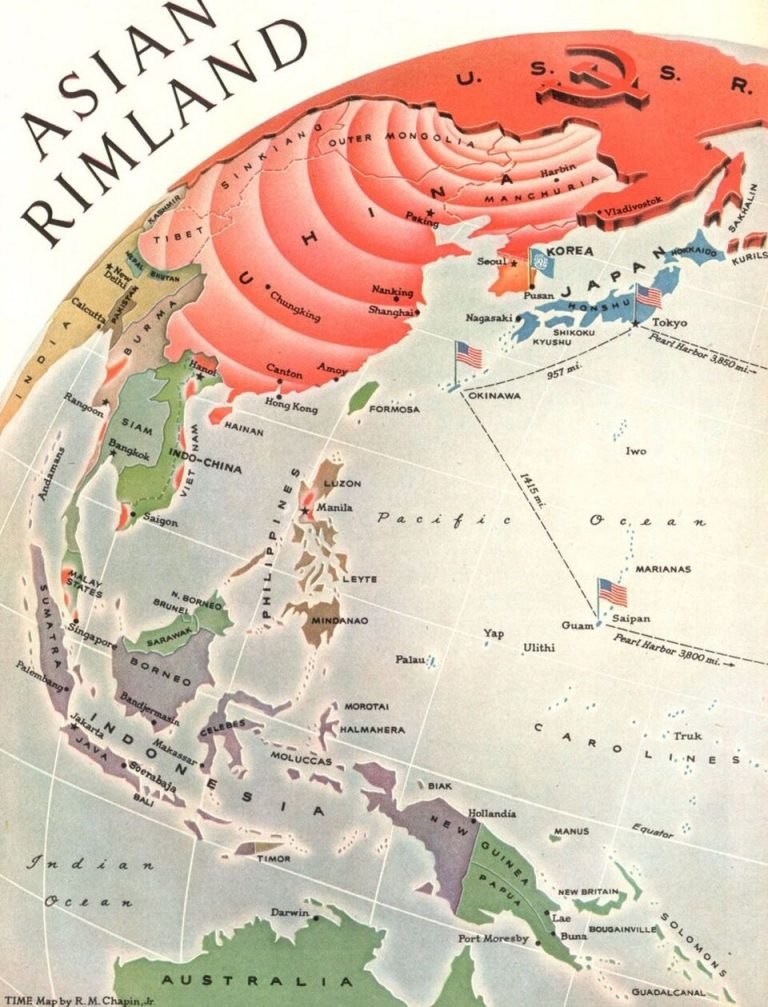
Cold War era borders in Asia
Southeast Asia absorbed similar patterns. Civil wars ended through dominance rather than agreement. Peace was declared, but reconciliation was postponed indefinitely. Trauma remained private. Memory became fragmented.
Another reason Asia’s wars rarely end is political convenience. Unresolved war justifies authority, militarization, and nationalism. It simplifies complex histories into moral binaries. Closure would demand accountability, compromise, and vulnerability.
Silence plays a crucial role. Many Asian societies survived by not speaking openly about war. Families avoided discussion. Governments discouraged questioning. Memory retreated into ritual rather than debate. Without shared dialogue, wars could not be collectively closed.
In Hiroshima, memory emphasizes peace and victimhood rather than resolution. In Nanjing, memory demands recognition rather than reconciliation. These memories coexist without convergence.
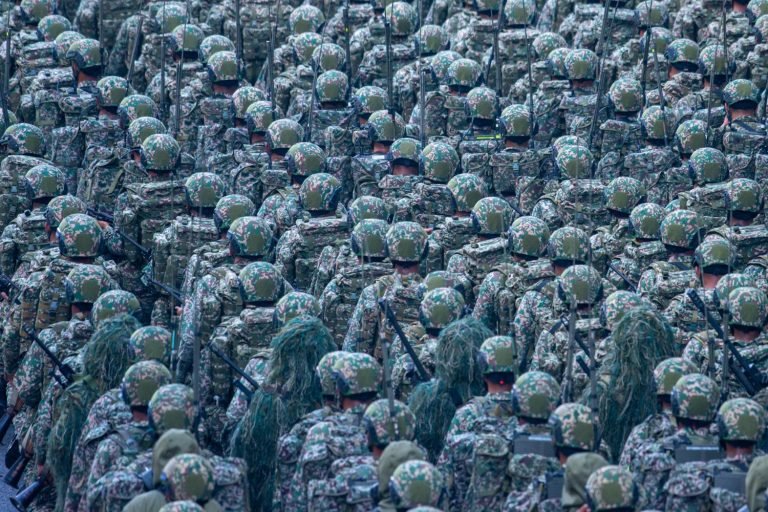
Military presence in modern asia
Asia’s wars also lack endings because they are remembered differently by different actors. There is no single narrative capable of unifying memory across borders. Each society preserves its own truth, often incompatible with others.
War in Asia rarely ends because it is embedded in state formation itself. Many modern Asian states were born from conflict. Ending the war would mean questioning the legitimacy of the state’s origins.
This is why armistices persist. This is why treaties remain unsigned. This is why demilitarized zones remain heavily armed.
Asia’s wars did not fail to end. They were designed not to.
Understanding Asia today requires understanding this suspended history. Conflict is not absent. It is managed. Peace is not achieved. It is postponed.
Asia lives not after war, but alongside it.
Comment (0)