

In many Western societies, questioning authority is framed as a civic virtue. Public debate, protest, and confrontation are seen as signs of healthy democracy. Authority is expected to justify itself continuously. In much of Asia, this assumption does not hold in the same way. Authority is rarely questioned publicly, not because people lack critical thought, but because history taught them that public challenge often carried unbearable cost.
This difference is frequently misunderstood. Silence is mistaken for obedience. Compliance is mistaken for belief. In reality, restraint has functioned as a survival strategy shaped by centuries of hierarchy, imperial governance, colonial repression, and social memory.
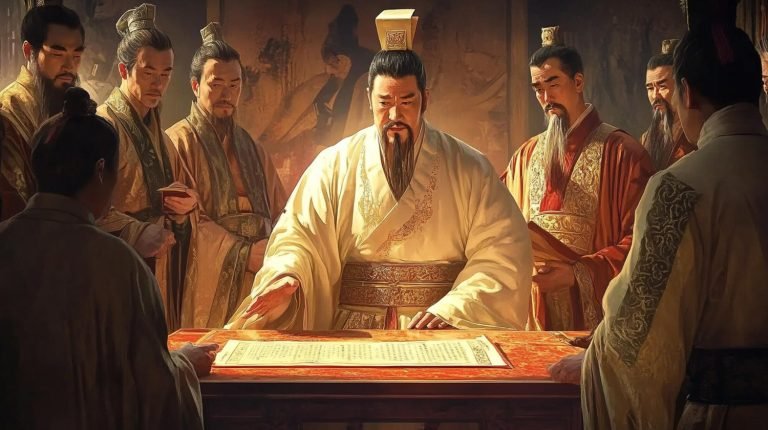
Confucian ritual reinforcing hierarchical authority
Authority is not a universal concept. It reflects how power has historically been exercised and contested. In Asia, authority long preceded modern states, laws, and citizenship. It was embedded in family, religion, and moral order.
Before the modern era, much of Asia was governed through hierarchical relationships rather than legal equality. Power flowed downward, responsibility flowed upward. Questioning authority openly threatened not only rulers but social stability itself.
In East Asia, Confucian ethics defined authority as moral rather than coercive. A ruler was expected to embody virtue. A subject was expected to comply publicly, even if dissent existed privately. Social order depended on visible harmony.
Hierarchy functioned as a survival system. Dense populations, limited land, and fragile agricultural cycles demanded coordination. Open confrontation disrupted cohesion. Authority provided predictability. Questioning it publicly introduced risk.
In Southeast Asia, kingship and patronage networks organized society. Power was personal rather than institutional. Challenging authority meant challenging protection itself. Silence preserved safety.
Empires reinforced this logic. Asian empires governed vast territories with limited administrative capacity. Moral authority, ritual, and hierarchy reduced the need for constant enforcement. Public dissent threatened legitimacy and invited punishment.
Colonialism intensified the cost of questioning authority. Colonial regimes tolerated little resistance. Surveillance, punishment, and collective retaliation were common. Speaking openly could end careers, families, or lives.
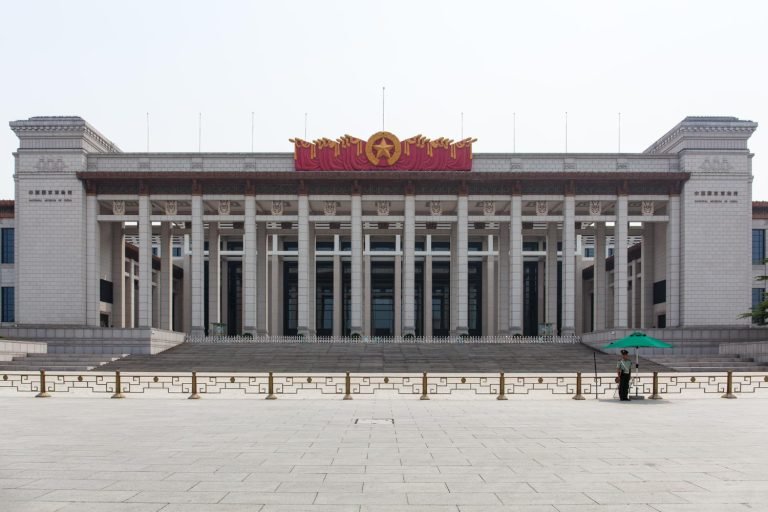
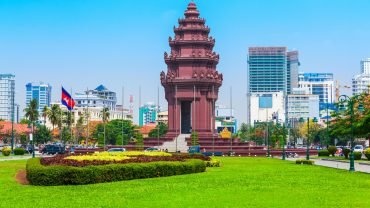
Government architecture symbolizing state power in Asia
In Taiwan, Korea, and Vietnam, colonial administrations punished dissent harshly. Silence became learned behavior. Authority was not debated publicly because it was dangerous to do so.
War reinforced this habit. Twentieth-century Asia endured invasion, civil war, famine, and ideological purges. Survival required conformity. Public questioning became associated with instability and betrayal.
In Korean Peninsula, war institutionalized obedience and emergency authority. In China, political campaigns taught citizens that incorrect speech could destroy lives. Memory of these periods still shapes behavior.
Modern Asian states inherited this emotional infrastructure. Even as legal systems evolved, public culture remained cautious. Authority was respected outwardly even when doubted inwardly.
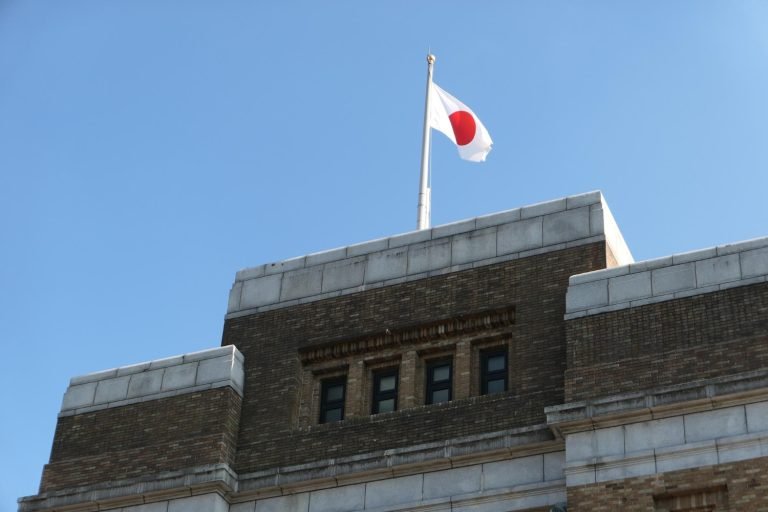
Bureaucratic culture in modern Tokyo
In Tokyo, Seoul, and Singapore, criticism often appears indirect. Dissent is coded. Consensus is performed. Public confrontation is avoided.
Digital platforms did not erase this pattern. They transformed it. Criticism moved into anonymous spaces. Authority is questioned quietly, collectively, and strategically rather than openly and individually.
Western observers often misread this as passivity. They overlook how power operates differently. In Asia, authority is rarely challenged head-on because history proved that frontal confrontation was rarely effective.
This does not mean authority is unchallenged. It is negotiated through silence, delay, compliance, and indirect pressure. Power is resisted subtly rather than loudly.
Public questioning assumes a system where authority tolerates dissent. Asia’s history taught the opposite lesson. Stability came from restraint. Survival came from knowing when not to speak.
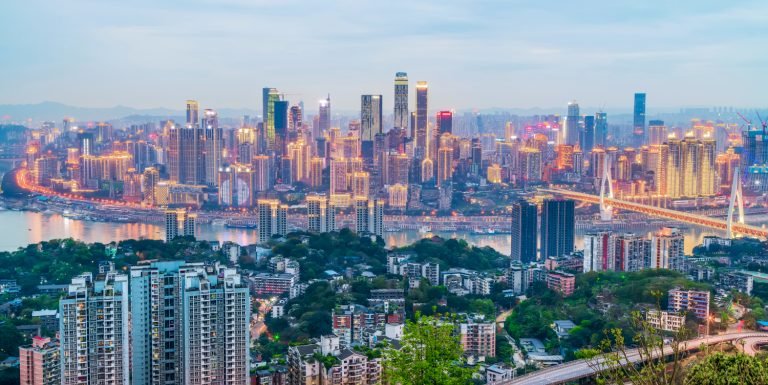
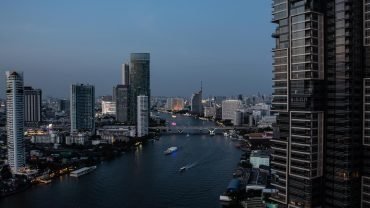
Urban governance and authority in modern Asian cities
Understanding this difference matters. It explains political behavior, workplace dynamics, family structures, and even online discourse across Asia.
Authority is rarely questioned publicly in Asia not because people do not think critically, but because memory teaches caution.
Silence is not absence of thought. It is history speaking softly.

Comment (0)