

Few concepts are as frequently mentioned yet so poorly understood as “face” in Chinese culture. Often reduced to politeness, pride, or social sensitivity, face in China is not a surface-level custom. It is a civilizational mechanism that has structured power, morality, hierarchy, and survival for over two thousand years. To understand Chinese history without understanding face is to misread its logic at every scale, from family relationships to imperial authority, from revolutionary politics to modern diplomacy.
Face in the Chinese context is not an individual possession. It is relational and situational. It exists only in the presence of others and within structured hierarchies. One does not simply have face. One is granted face, loses face, or preserves face through correct behavior within an ordered system. This system long predates the modern Chinese state. It emerged in a world where social harmony mattered more than abstract law and where stability depended on reputation rather than enforcement.
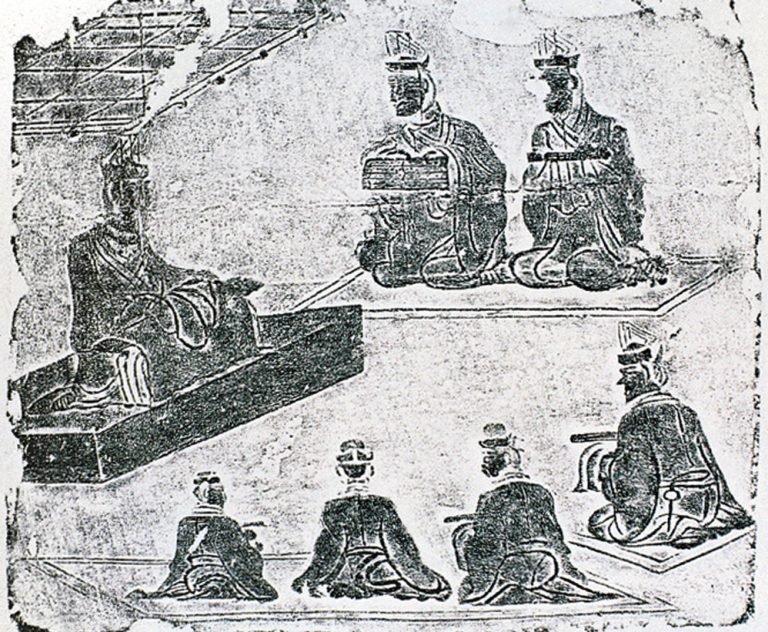
Confucian rituals emphasizing hierarchy and moral order (Han dynasty)
Before China existed as a nation-state, it functioned as a civilizational order governed through ritual, hierarchy, and moral performance. Authority rested less on coercion than on legitimacy. Rulers ruled not simply by force, but by maintaining moral standing in the eyes of elites, officials, and the population. Face became a visible expression of this legitimacy.
Confucian thought crystallized this logic. Social order depended on correct relationships between ruler and subject, parent and child, elder and younger, teacher and student. Each role carried expectations. Fulfilling them preserved harmony. Failing them created disorder. Face was the outward confirmation that one was fulfilling one’s role. Losing face threatened not only the individual, but the integrity of the system.
This explains why public image mattered more than private intention. Moral behavior was not judged by internal belief, but by observable conduct. Rituals, etiquette, and language reinforced hierarchy. Face was maintained through restraint, deference, and self-control. Confrontation risked humiliation, which destabilized relationships. Silence often preserved more order than truth.
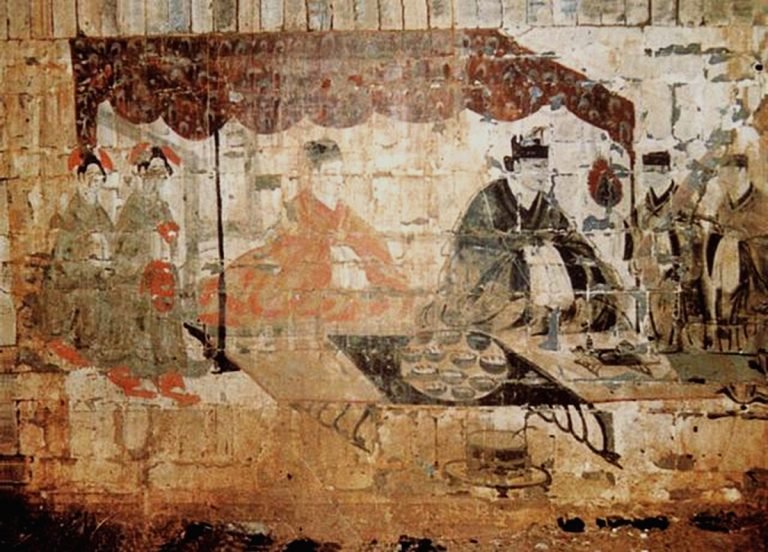
Imperial court ceremony demonstrating authority and face
Imperial China institutionalized face into governance. Officials were evaluated not only on performance, but on moral reputation. Public disgrace was a powerful punishment because it destroyed one’s social existence. Execution ended life. Loss of face ended meaning. Dynasties rose and fell not only through military defeat, but through moral collapse. When rulers lost face, rebellion became justified.
This moral economy shaped how crises were managed. Failure was concealed, reframed, or delayed to preserve stability. Admitting weakness openly risked undermining authority. This tendency did not emerge from dishonesty alone. It emerged from fear of chaos. Losing face at the top threatened order below.
Revolution did not erase this logic. It transformed it. When imperial authority collapsed, revolutionary ideology replaced Confucian morality as the source of legitimacy. Yet face remained central. Leaders were expected to embody moral superiority. Public self-criticism replaced ritual apology, but the goal remained the same: restoration of collective legitimacy.
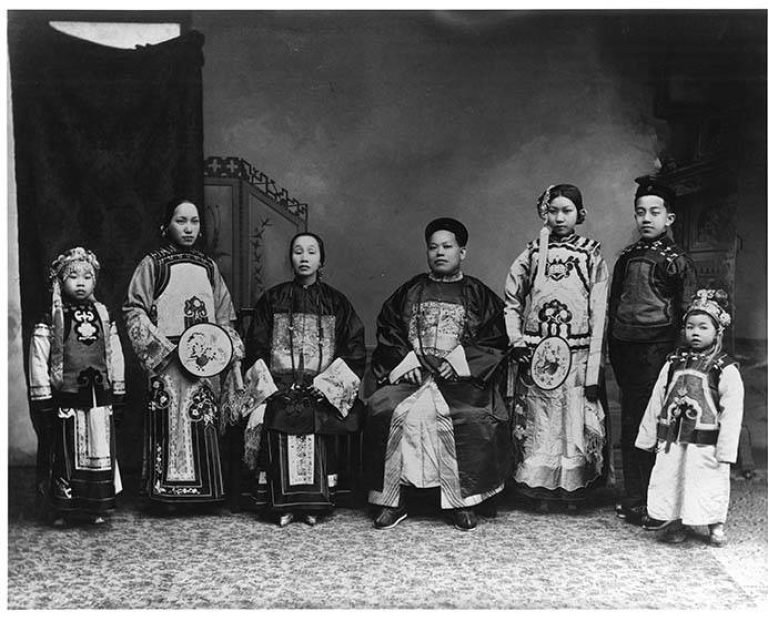
Traditional Chinese family structure and respect (Qing dynasty)
During the twentieth century, face shaped political campaigns, social movements, and mass mobilization. Failure was redefined as ideological deviation. Confession became performative. Public humiliation was used to enforce conformity. Face was weaponized. To lose face was to be excluded from the moral community.
This legacy continues to influence modern China. Political authority remains deeply tied to image, dignity, and international standing. National pride functions as collective face. Challenges to sovereignty are experienced not only as strategic threats, but as moral affronts. Restoring face becomes synonymous with restoring justice.
In foreign relations, this dynamic often creates misunderstanding. Actions interpreted externally as symbolic or procedural may be perceived internally as humiliating. Diplomatic language is calibrated carefully. Public acknowledgment matters as much as substance. Face shapes negotiation style, response to criticism, and the management of conflict.
Face also structures everyday life. Family dynamics prioritize harmony over confrontation. Education emphasizes respect for authority. Business relationships rely on trust built through mutual face-giving. Direct refusal is avoided. Indirect communication preserves dignity. These practices are not inefficiencies. They are stability mechanisms in a dense social environment.
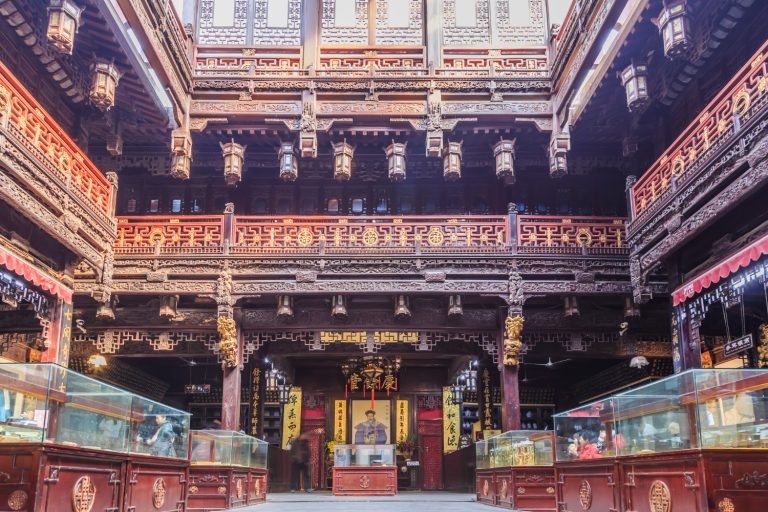
Ceremonial spaces in the Forbidden City
Travelers in cities such as Beijing, Shanghai, or Xi’an often sense this dynamic instinctively. Interactions feel formal yet warm, cautious yet generous. Respect is exchanged through subtle cues rather than explicit affirmation. Face operates quietly, but constantly.
Modernization has not diminished the importance of face. If anything, it has amplified it. Rapid social change increases uncertainty. Face provides continuity. It allows adaptation without disintegration. Even as China globalizes, the logic of face remains embedded in institutions and behavior.
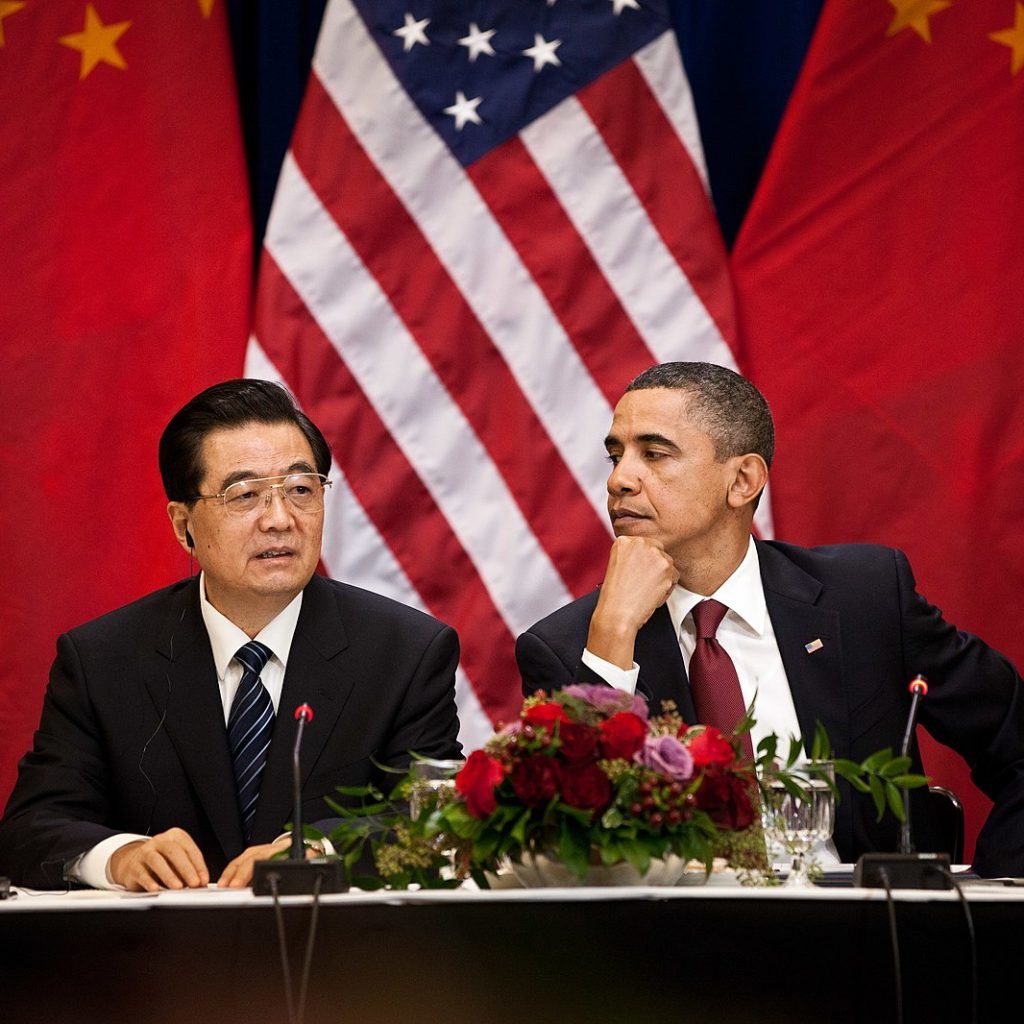
Modern business meeting in China reflecting face culture
Why does face still matter so much? Because it solved fundamental problems of governance and social order long before modern law or bureaucracy existed. It regulated behavior without constant force. It aligned personal conduct with collective stability. It created predictability in a vast, diverse society.
Face is not uniquely Chinese, but its centrality in Chinese civilization is distinctive. It connects history, psychology, and politics into a single moral framework. Understanding it does not require approval. It requires recognition that different civilizations organize meaning differently.
China cannot be understood solely through ideology, economics, or strategy. It must be understood through the moral structures that shaped it. Face is one of those structures. It has endured because it worked.
Face shaped China not because it was gentle, but because it was effective. It preserved order, transmitted values, and managed conflict in a society too large to rule by force alone.
To understand China today, one must understand face not as a social quirk, but as a historical system.



Comment (0)