

Travel is often described as movement across space. In Asia, it is equally movement across time. To travel here is not to step away from history, but to step directly into it. The past does not sit behind museum glass or remain confined to textbooks. It lives in streets, neighborhoods, rituals, and ordinary routines.
This is why traveling in Asia feels different.
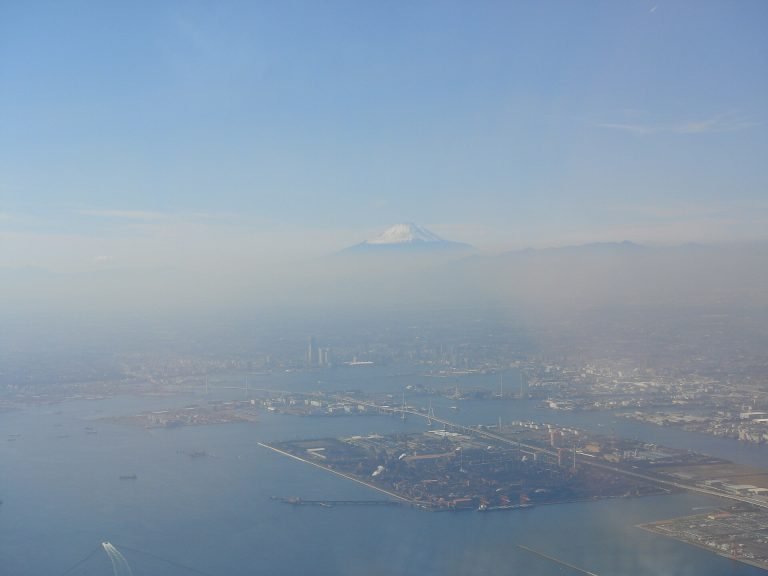
Urban layers of history visible in Tokyo
In many regions of the world, history has been clearly separated from the present. Wars ended, borders stabilized, and cities rebuilt with deliberate distance from what came before. Asia did not experience this separation in the same way. Its history layered instead of concluded.
Across Asia, the past was rarely given time to become past. Empires collapsed slowly. Wars ended ambiguously. Colonization overlapped with modernization. Independence arrived without erasing earlier structures. As a result, history remained embedded in daily life.
Travelers do not merely visit historical sites. They inhabit historical continuity.
This is visible immediately in Asian cities.
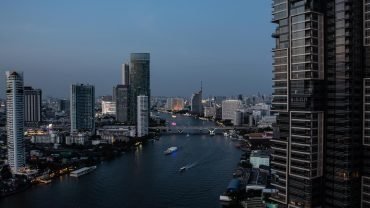
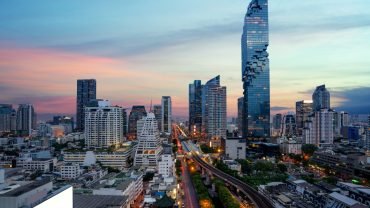
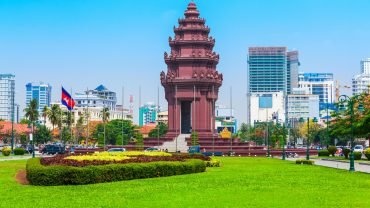
In Tokyo, modern infrastructure stands atop neighborhoods shaped by firebombing and postwar reconstruction. In Seoul, a city defined by innovation exists alongside a war that never officially ended. In Taipei, Japanese colonial streets, Chinese migration, and contemporary democracy coexist without clean boundaries.
These cities do not present history as spectacle. They absorb it.
War plays a central role in this experience. In Asia, wars were experienced primarily by civilians rather than armies alone. Villages became battlefields. Cities became targets. Families survived occupation, famine, and displacement within their homes. When war ended, there was rarely space to pause.
Life resumed on top of trauma.
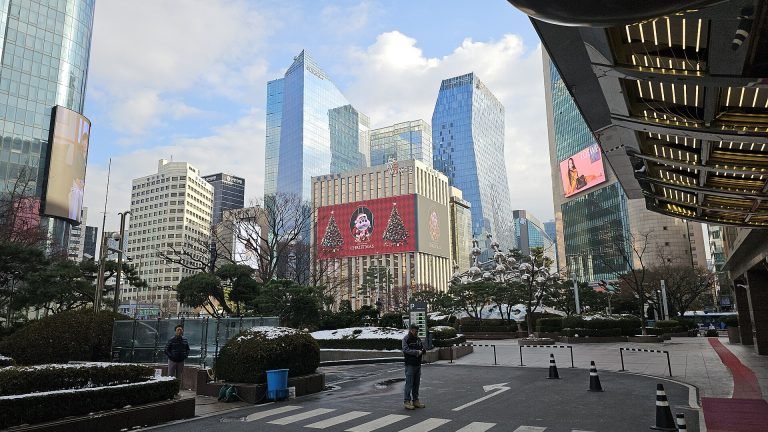
Everyday life in Seoul shaped by unresolved history
In Okinawa, World War II never fully left. Military presence continues shaping daily existence. In Manila, one of the most destroyed cities of WWII rebuilt so quickly that memory faded beneath concrete. In Hiroshima, global memory focuses on a moment, while local life carries decades of aftermath.
Travelers walking these places are not visiting ruins. They are walking through recovery that never finished.
Empire further complicates this experience. Many Asian cities were shaped by colonial planning that still governs movement today. Roads, administrative districts, and architecture reflect foreign power even after political independence.
In Shanghai, colonial concessions shaped modernity itself. In Singapore, wartime occupation informed national obsession with security and preparedness. In Hanoi, layers of French, Japanese, and revolutionary history overlap within daily life.
Asia’s history is spatial rather than linear. It is written into where things stand, not just when events occurred.
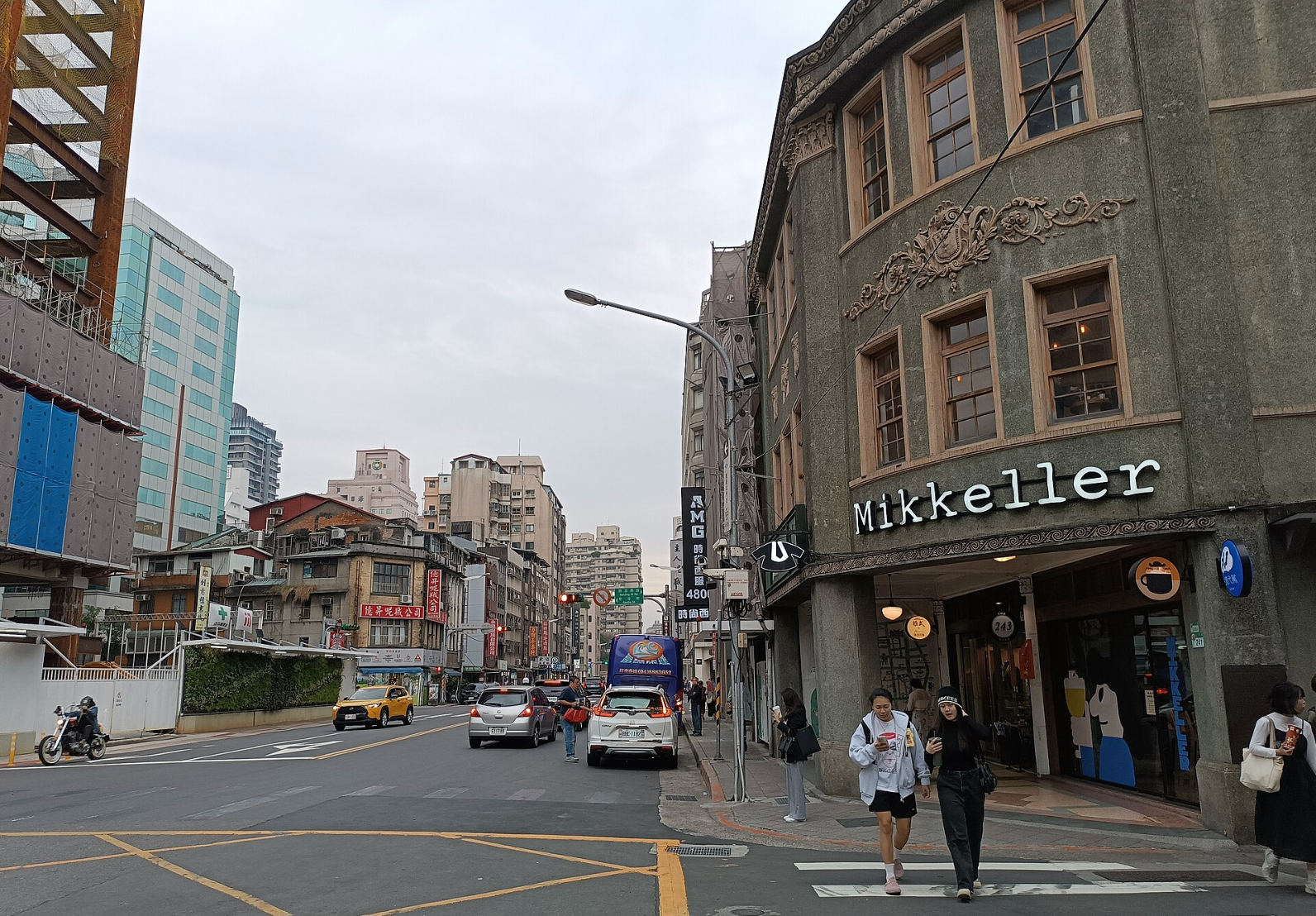
Historic streets blending into modern Taipei
This is why dates alone fail to explain Asia. Timelines suggest completion. Asia’s past often continued without resolution. Traveling here requires reading space, not schedules.
What many travelers miss is that Asia does not announce its history. It expects awareness. War sites may look like parks. Former prisons may sit beside cafés. Colonial buildings may function as ordinary offices.
The absence of explanation is part of the experience.
Learning history in Asia often happens indirectly. It emerges through conversations, architecture, food habits, and silence. A street name hints at empire. A neighborhood layout reveals displacement. A family story trails off before explanation.
This demands a different kind of travel.
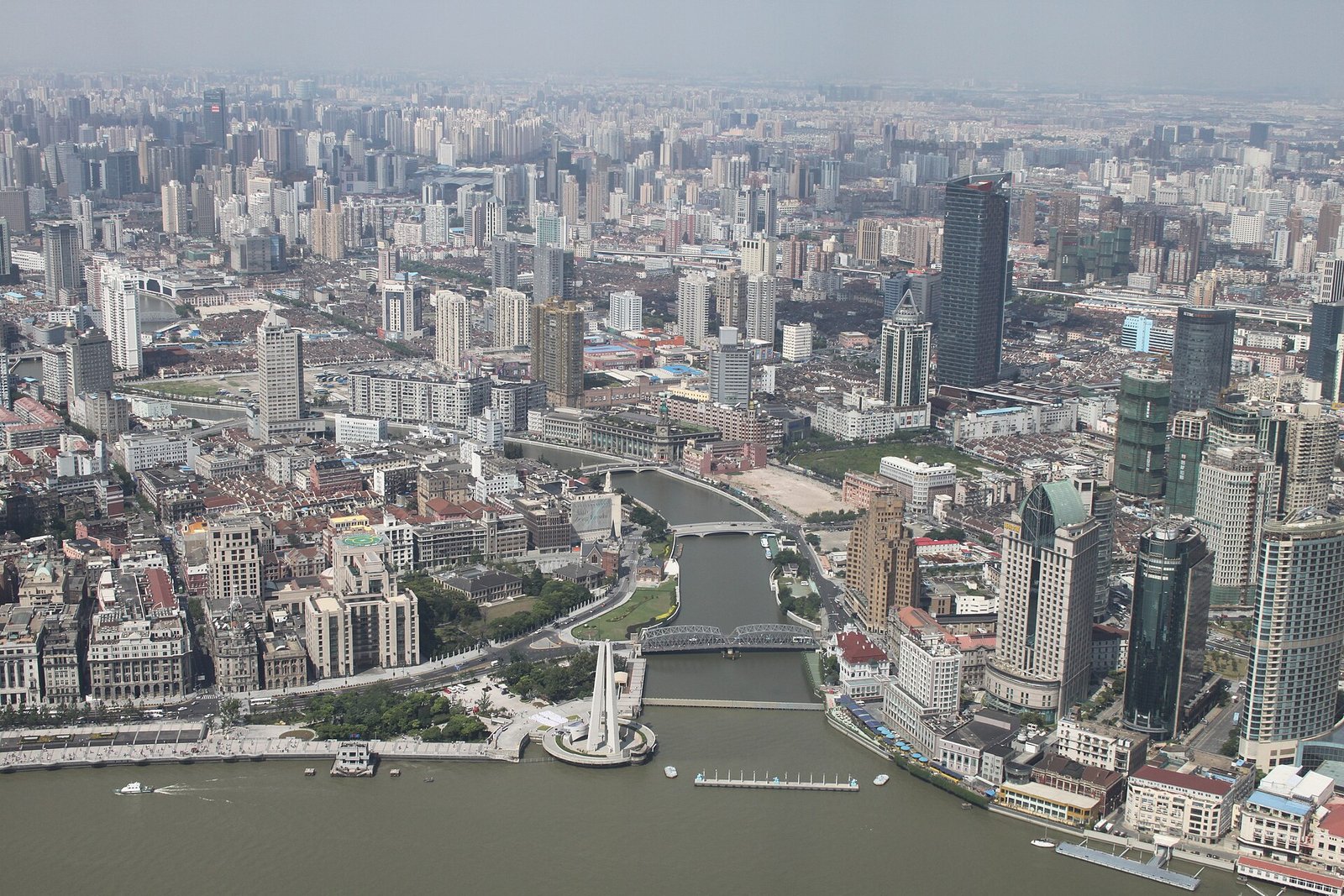
Old Shanghai concessions within a modern skyline
To travel Asia with historical awareness is to slow down. To notice patterns rather than attractions. To understand that modernity here did not replace the past. It was built on it.
Asia teaches that history is not always preserved deliberately. Sometimes it survives because there was no opportunity to remove it.
Travel becomes an act of interpretation.
Walking through Asia means walking through stories that were never neatly archived. It means recognizing that everyday life often carries more historical truth than monuments.
This is why Asia rewards travelers who look beyond itineraries.
The continent does not separate travel from history.
It merges them.
In Asia, history is not behind you.
It is beneath your feet.
Travel slowly, observe deeply,
and let the journey itself teach you how the past still walks beside the present.
Comment (0)