

World War II is often described as a single global conflict, yet it does not live the same way everywhere. In Europe, the war is remembered as a catastrophe that ended decisively. In Asia, it is remembered as something that never fully closed. This difference is not a matter of perspective alone. It is rooted in how the war was fought, how it ended, and what followed.
The war may have shared a timeline, but it produced two fundamentally different historical experiences.
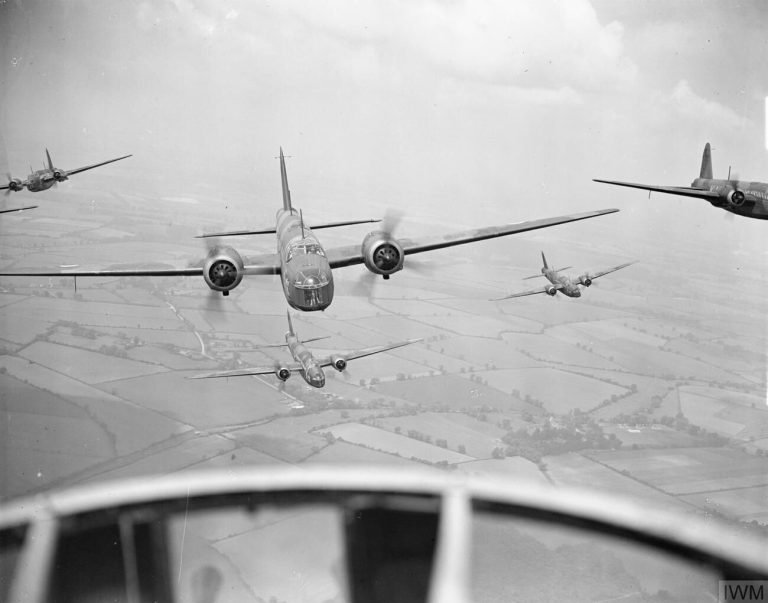
Asian landscapes carrying unresolved World War II history
In Europe, World War II culminated in clear military outcomes. Nazi Germany was defeated. Fascism collapsed. Borders were redrawn. Trials were held. Reconstruction followed. While trauma remained, the war itself could be placed firmly in the past. Europe entered a postwar era defined by rebuilding, integration, and collective memory anchored in resolution.
In Asia, World War II did not arrive as a singular event, nor did it end cleanly. It merged with colonial rule, civil war, and Cold War confrontation. For much of Asia, the war was not followed by peace, but by further conflict.
This is why World War II feels different in Asia. It was not one war. It was many wars overlapping.
Across Europe, the conflict was primarily understood as a struggle between states. Armies clashed. Governments fell. Civilians suffered, but the war was ultimately resolved through military defeat and political restructuring.
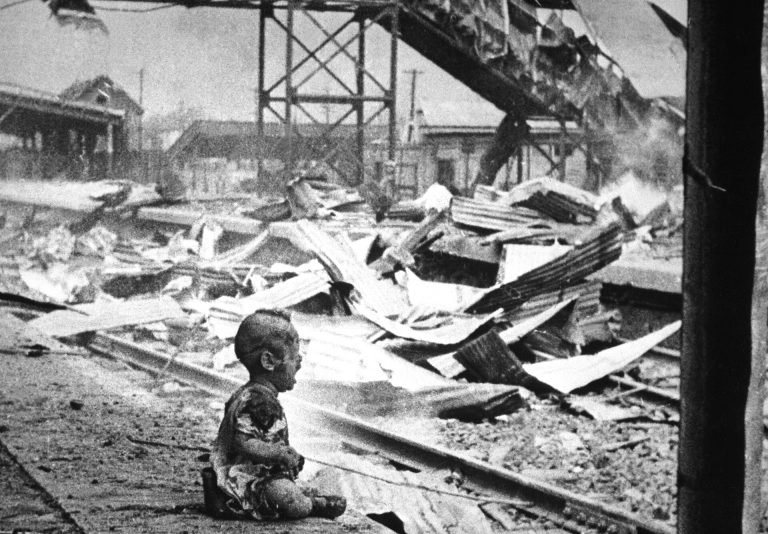
This terrified baby was almost the only human being left alive in Shanghai’s South Station after brutal Japanese bombing
Across Asia, the war unfolded inside societies already living under imperial domination. For millions, World War II was not a fight between equal states. It was an intensification of existing oppression.
In East Asia, Southeast Asia, and South Asia, people experienced the war as occupation, forced labor, famine, and mass displacement. Civilians were not peripheral to the conflict. They were central to it.
Colonialism fundamentally changed the meaning of the war in Asia. While European nations fought to defend or expand territory, many Asian societies fought for survival under foreign rule. Japan presented itself as a liberator from Western imperialism, yet its occupation often reproduced violence and exploitation on a massive scale.
This contradiction shaped memory.
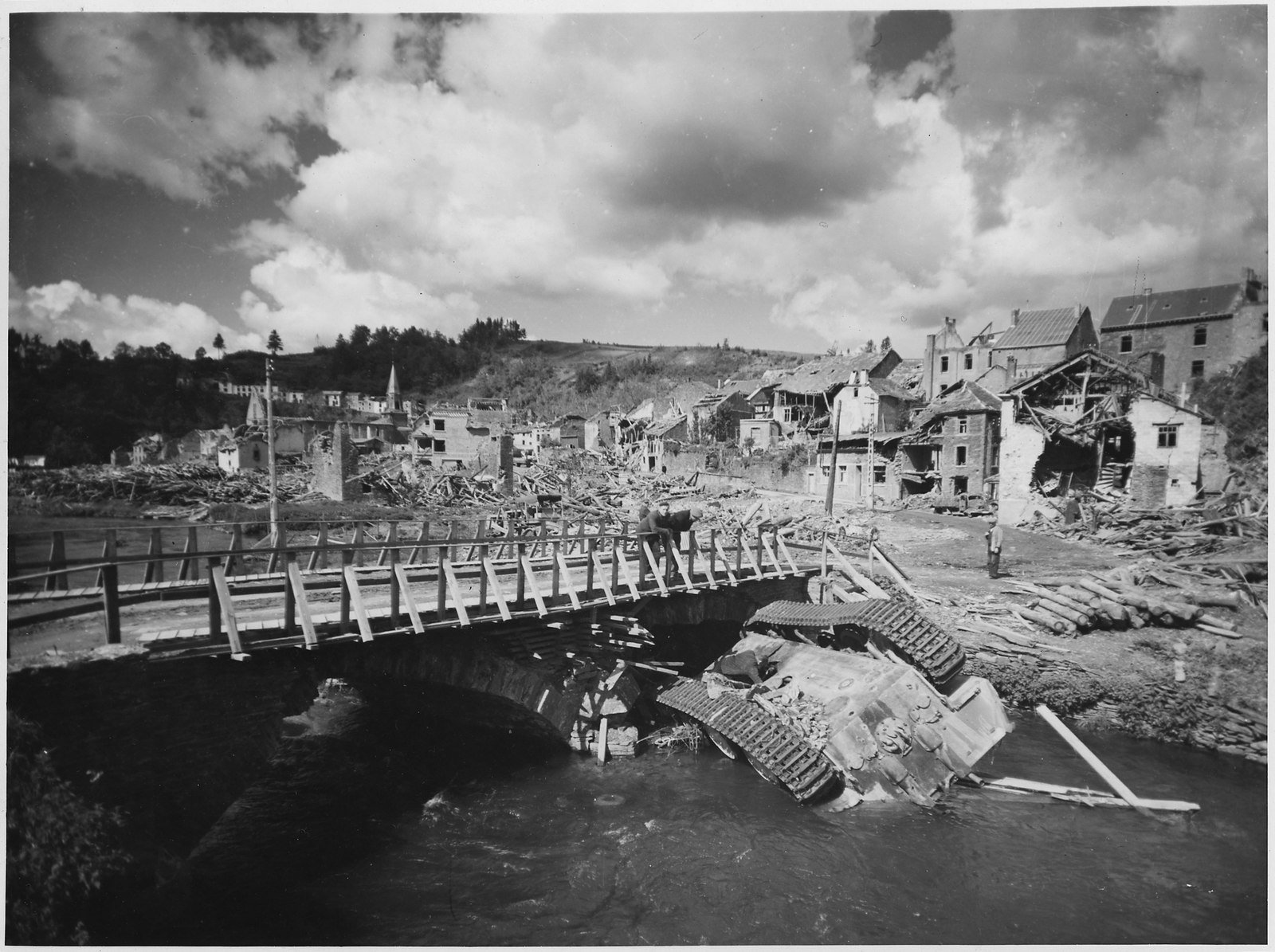
An overturned German tank lies in a shallow stream alongside a rebuilt bridge in war-ravaged Houffalizo, Belgium.
In Europe, the defeat of Nazi Germany allowed for moral clarity. In Asia, the end of the war raised unresolved questions. Who was liberated, and by whom? Which empire replaced another? Which suffering counted?
In Vietnam, World War II merged seamlessly into the First Indochina War. Independence did not arrive through victory in 1945. It had to be fought for afterward. The war’s end marked a transition, not a conclusion.
In Indonesia, Japanese occupation dismantled Dutch colonial control, but independence was followed by violent struggle. For Indonesians, World War II was remembered not as an ending, but as a catalyst.
In China, the war against Japan overlapped with civil war. Victory in 1945 did not bring peace. It led directly into another conflict that reshaped the nation. The war never had time to settle into history.
Civilians bore a disproportionate burden in Asia. Entire populations were mobilized, coerced, or targeted. Forced labor projects such as the Death Railway in Thailand, mass famine across occupied territories, and systematic violence against noncombatants made survival the central wartime experience.
In Kanchanaburi, the landscape still carries memory of forced labor and unmarked graves. In Okinawa, civilians became strategic obstacles rather than protected populations. In Nanjing, mass violence left wounds that remain politically sensitive decades later.
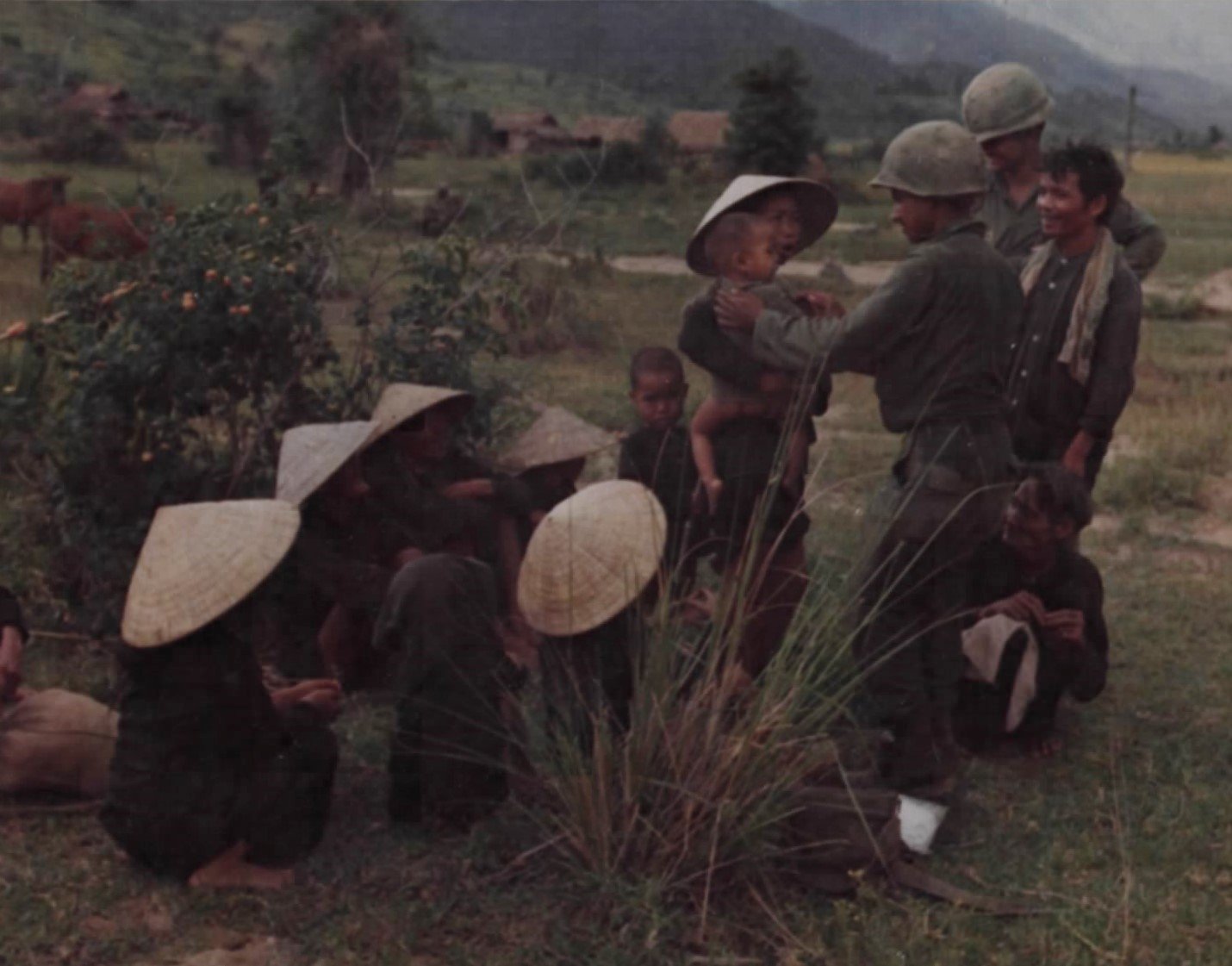
Vietnamese Civilians in The Cold War
Unlike Europe, Asia did not receive comprehensive postwar justice. War crimes trials were uneven. Many perpetrators reintegrated into postwar societies. Apologies were partial, contested, or absent. Without accountability, memory remained unstable.
Europe institutionalized remembrance through ceremonies, memorial days, and education that emphasized “never again.” Asia often preserved memory through silence, landscape, and family experience.
This difference shaped how the war is felt today.
In Europe, World War II is commemorated. In Asia, it is encountered.
Asian cities were rebuilt before healing occurred. Life resumed on land that had not been mourned. Infrastructure replaced ruins quickly. The war was absorbed into daily life rather than separated from it.
In Hiroshima, the atomic bombing became a global symbol, yet the city itself learned to live quietly beyond that moment. In Nagasaki, memory remained local and restrained. In Seoul, the Korean War followed immediately, preventing closure.
Europe had a postwar moment. Asia did not.
The Cold War froze many Asian conflicts instead of resolving them. Borders hardened. Armistices replaced treaties. External powers prioritized stability over justice. When global tensions shifted, unresolved history resurfaced.
This is why World War II still feels present in Asia. Its consequences were never fully dismantled.
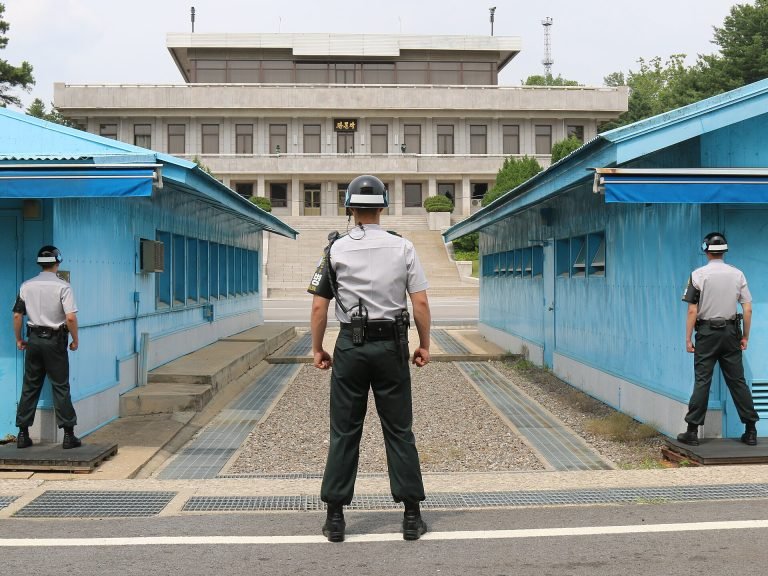
Republic of Korea Army soldiers stand resolute at the iconic Joint Security Area where South and North Korean soldiers stand face to face across the Korean Demilitarized Zone
Traveling through Asia today reveals this difference physically. War memory appears not as grand ceremony, but as quiet integration. Former battlefields are neighborhoods. Military routes are highways. Memorials exist beside markets and schools.
To travel Asia with historical awareness is to recognize that World War II is not confined to museums. It exists in landscape, politics, and social behavior.
This does not mean Asia is trapped in the past. It means Asia developed ways to live without closure.
World War II feels different in Asia because it never ended the same way. It did not produce resolution. It produced continuation.
Understanding this difference is essential to understanding Asia itself.
World War II did not end the same way everywhere.
In Asia, it became part of the land.
Travel through Asia’s WWII landscapes
not to compare suffering,
but to understand why history still feels present here.
Comment (0)