

In Japan, ghosts do not belong exclusively to the past. They do not remain trapped in folklore, superstition, or childhood stories. They walk quietly through history, memory, and trauma. To understand why yokai and spirits occupy such a central place in Japanese culture is to confront how Japan has processed suffering not through confession or confrontation, but through imagination, silence, and the supernatural.
In many societies, trauma demands narration. Pain must be spoken to exist. In Japan, trauma often takes another form. It becomes atmospheric. It lingers in places, habits, and images. Yokai and ghosts are not merely entertainment. They are cultural vessels for what could not be said openly.
Before modern warfare reshaped Japan, yokai already existed as explanations for fear, disaster, and the unknown. They emerged in a premodern world where natural calamity, disease, and sudden death were common. Yokai personified uncertainty. They gave shape to forces beyond human control. Spirits were not always malevolent. They were reminders that the world was unstable and that human order was fragile.
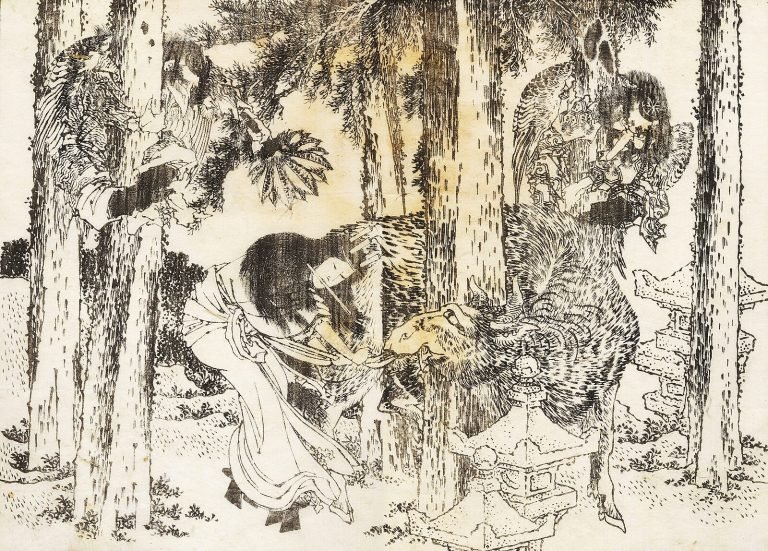
Traditional Edo-period yokai illustrations
These early yokai functioned as moral and social regulators. They warned against arrogance, transgression, and disrespect. They appeared at boundaries between worlds: night and day, village and wilderness, life and death. Yokai culture trained people to live with fear rather than conquer it.
When Japan entered the modern age, the supernatural did not disappear. It adapted. Industrialization, imperial expansion, and total war produced trauma on an unprecedented scale. Death was no longer isolated. It was mass, mechanical, and impersonal. Traditional rituals struggled to contain the magnitude of loss. Spirits multiplied because grief multiplied.
World War II marked a rupture. Japanese cities were burned, bombed, and erased. Millions died violently and suddenly. Many bodies were never recovered. Proper mourning was impossible. In Japanese cosmology, the dead require ritual acknowledgment to rest. When this process is disrupted, spirits remain unsettled.
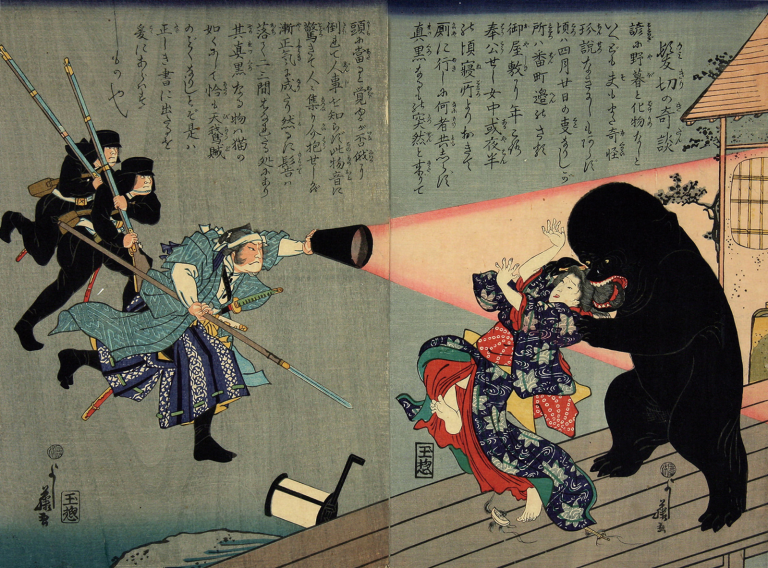
Japanese ghost folklore representing unresolved memory
This belief created a powerful psychological framework for understanding postwar suffering. Ghosts became the symbolic presence of unresolved death. They represented not vengeance, but incompletion. The dead lingered because their stories were unfinished.
In places like Hiroshima, memory is shaped through restraint. Official narratives emphasize peace rather than blame. Yet beneath this calm surface, stories of spirits persist. Survivors spoke of shadows, voices, and lingering presences. These accounts were not always literal. They were expressions of trauma that language could not safely hold.
In Okinawa, where ground combat devastated civilian populations, ghost stories became deeply embedded in local memory. Families spoke of wandering souls, unquiet ancestors, and sacred sites that demanded respect. The landscape itself was treated as haunted. This was not superstition. It was recognition of mass death without closure.
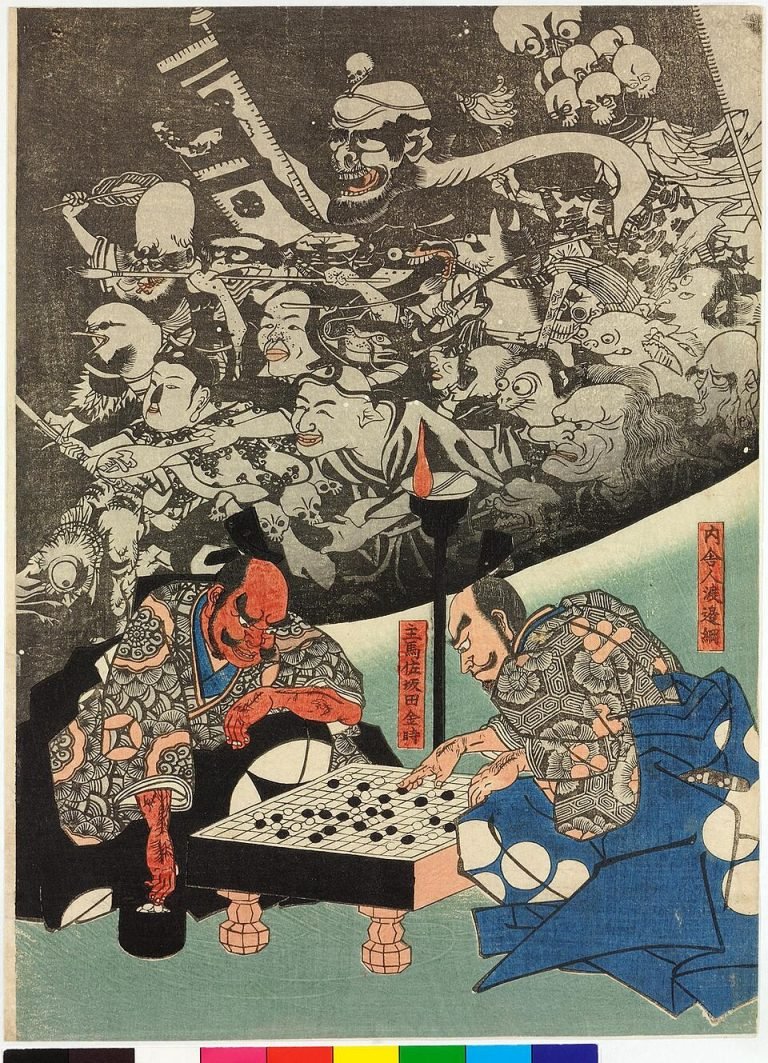
The Earth Spider Conjures up Demons at the Mansion of Minamoto no Raiko
Silence played a crucial role. Postwar Japan rebuilt rapidly, but emotional repair lagged behind. Public discussion of suffering was limited. Shame, responsibility, and defeat complicated grief. Ghosts allowed memory to exist without accusation. Spirits carried pain without forcing confrontation.
Yokai also absorbed fear of guilt. In a culture where direct expression of remorse was constrained, supernatural narratives displaced moral tension. Spirits could express anger, sorrow, or longing without assigning explicit blame. They were safe containers for unbearable emotion.
As Japan entered its postwar economic miracle, ghosts did not vanish. They moved into media. Literature, manga, anime, and film revived yokai with new meaning. Horror became psychological rather than grotesque. The most frightening ghosts were not violent, but persistent. They returned quietly, demanding recognition rather than revenge.
This aesthetic reflects trauma logic. Trauma does not shout. It repeats. Japanese ghost stories often emphasize repetition, routine, and inevitability. The past intrudes into the present without warning. There is no resolution, only coexistence.
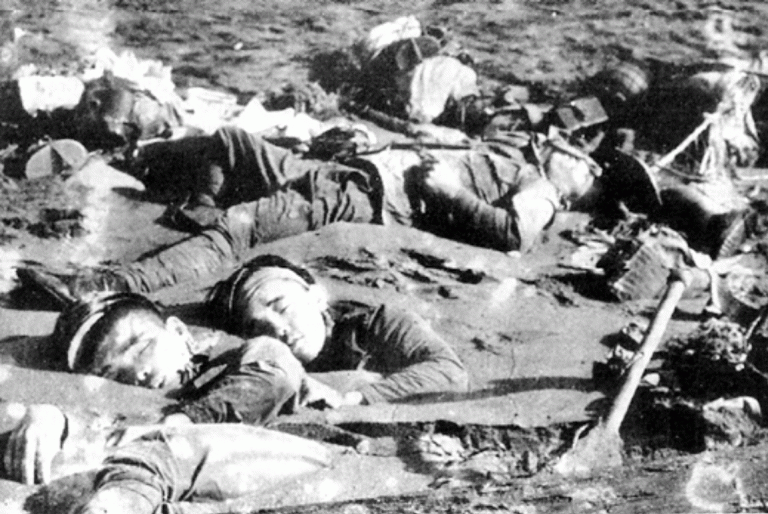
Okinawa landscapes shaped by civilian war trauma
Modern audiences around the world often misinterpret Japanese horror as exotic or stylistic. In reality, it is deeply historical. It expresses a society that learned to live with unresolved suffering. Yokai are not metaphors invented for entertainment. They are inheritances.
Traveling through Japan reveals this layered memory everywhere. Urban spaces coexist with spiritual markers. Shrines appear in unexpected places. Memorials remain understated. The supernatural quietly occupies the same ground as daily life. Trauma is present, but never declared.
In cities like Tokyo, where wartime destruction was immense yet largely erased, ghost stories persist in neighborhoods rebuilt over ruins. The absence of visible scars does not erase memory. Spirits fill the gaps.
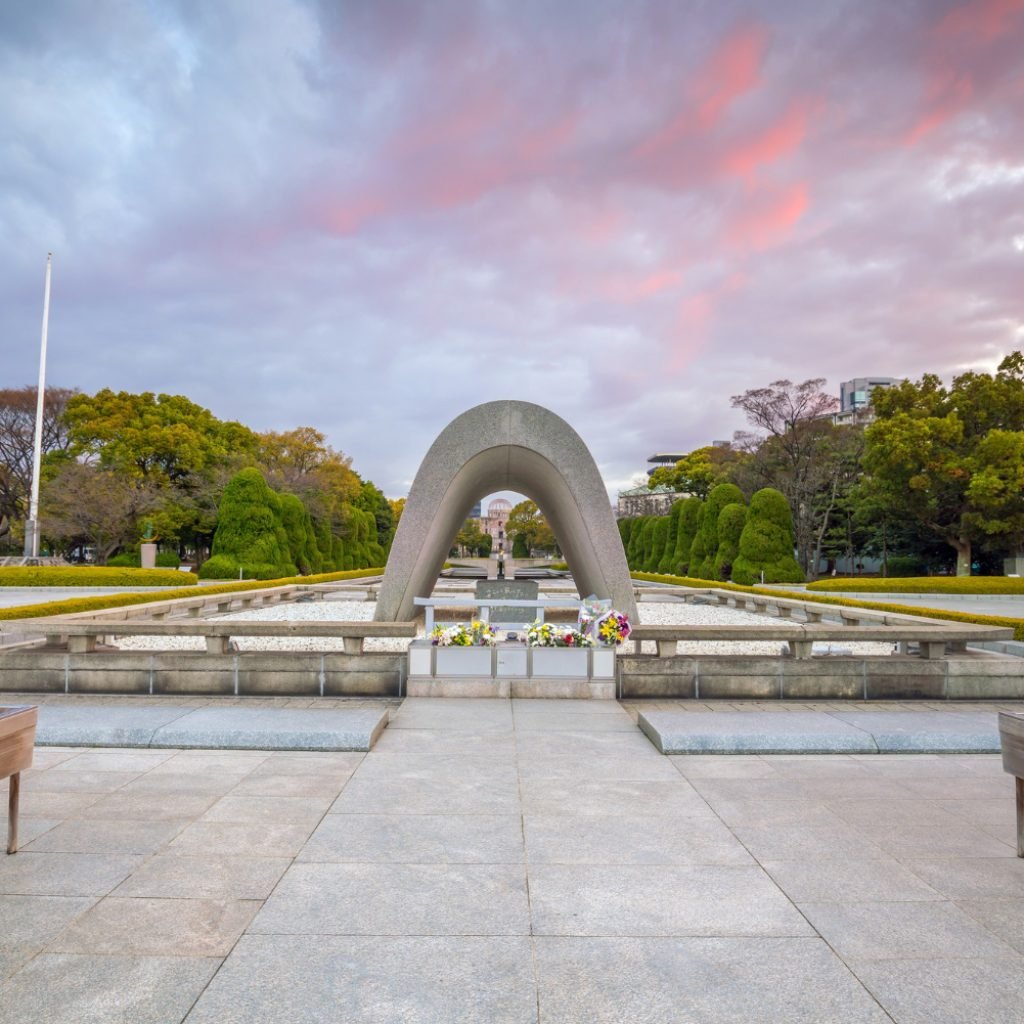
Quiet memorial spaces in Hiroshima
Why does Japan remember trauma through ghosts rather than testimony? Because ghosts allow endurance without rupture. They make pain visible without destabilizing social order. They transform suffering into presence rather than narrative.
Yokai culture demonstrates that healing does not always mean articulation. Sometimes it means accommodation. Trauma becomes part of the environment rather than an event to be resolved. This approach is neither healthier nor weaker than others. It is historically conditioned.
Japan’s ghosts do not ask to be exorcised. They ask to be acknowledged. They remind the living that history does not end simply because rebuilding begins.
Understanding yokai and ghosts as expressions of war trauma allows deeper insight into Japanese culture. It explains the persistence of silence, the aesthetics of horror, and the careful distance maintained from overt emotional display.
Spirits are how Japan remembers what could not be safely spoken. They carry grief across generations without demanding answers that history could not provide.
To walk through Japan is to walk among these quiet presences. They are not haunting because they seek revenge. They haunt because they were never finished.
Comment (0)