

Vietnam is a country where history breathes through every forest trail, ancient citadel, riverside village, and bustling modern city. Traveling through Vietnam is not just a journey across landscapes, but a journey across time—moving from ancient dynasties to French colonialism and into the defining conflicts of the 20th century that shaped the nation’s identity. When exploring Vietnam travel history, travelers can feel how deeply the past lives within the culture, architecture, cuisine, and emotional resilience of the people. Every destination carries stories of struggle, courage, and rebirth; stories that continue to draw travelers from around the world who want to understand Vietnam beyond its postcard beauty.

The country’s history is inseparable from war, and nowhere is this more visible than in sites connected to the First Indochina War and the Vietnam War. Cities like Hanoi and Ho Chi Minh City are museums in motion, where tree-lined boulevards contrast with wartime bunkers hidden beneath the streets. Travelers visiting the Cu Chi Tunnels quickly realize how resourcefulness shaped survival, as narrow underground networks reveal the unimaginable endurance of Vietnamese soldiers and civilians. In central Vietnam, the former DMZ remains a haunting reminder of a divided era, while Khe Sanh and the Vinh Moc Tunnels tell the stories of families who lived underground for years, turning darkness into a place of safety and strength.
Yet Vietnam’s travel history is not defined by war alone. The ancient kingdom of Đại Việt, with its great citadels and dynastic temples, continues to shape the nation’s cultural roots. Hue, once the imperial capital, preserves the elegance of Nguyen dynasty architecture, from the Purple Forbidden City to riverside pagodas where monks still chant in the early morning mist. As travelers walk through the crumbling stone corridors of the Hoa Lu Ancient Capital or the lantern-lit alleys of Hoi An, they can feel the continuity of traditions that survived wars, colonization, and the passing of centuries. Every historic town tells its own part of Vietnam’s millennia-old story, blending Chinese influence, royal heritage, Cham culture, and local folklore.
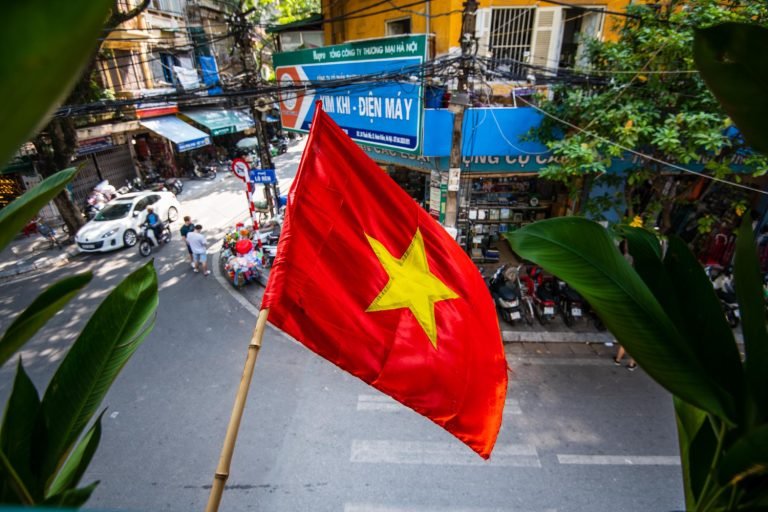
What makes Vietnam extraordinary is how seamlessly its past integrates with its present. Modern streets teem with energy, but silence falls the moment you step into a memorial like the War Remnants Museum or the Hoa Lo Prison in Hanoi. There is no attempt to hide history; instead, Vietnam presents it with honesty, allowing travelers to reflect on how the country transformed tragedy into progress. From the peaceful rice terraces of the north to the Mekong Delta’s floating villages, the nation’s landscapes have witnessed some of the most dramatic chapters of Asian history—and yet today they symbolize renewal and hope. For travelers seeking depth, emotion, and meaning, Vietnam offers one of the richest historical travel experiences in Asia.
Comment (0)